

LANSING (WWJ) -- Following two opposing rulings in federal court on Friday, the future of medication abortion via mifepristone in the U.S. is uncertain.
U.S. District Judge Matthew Kacsmaryk of Texas halted FDA approval for the drug, claiming it was in violation of federal regulations regarding accelerated approval of medications. Kacsmaryk issued a seven-day window before his ruling went into effect, granting the Biden administration time to appeal the decision.
At nearly the same time, U.S. District Judge Thomas O. Rice of Washington ruled partially in favor of more than 17 states who sued to protect access to medication abortion. While Rice did not expand access to the drug, he ruled that no changes could be made to current availability of mifepristone in those states that filed lawsuits.
Michigan officials, including Governor Gretchen Whitmer and Senator Gary Peters, immediately responded to the court's decision.
"Mifepristone gives people the freedom to choose when or how to start a family," Whitmer said in a news release.
"If today's ruling takes effect," she continued, "over 64 million Americans, including millions of Michiganders, may effectively be prevented from accessing the drug."
Whitmer also reiterated that despite the ruling out of Texas, abortion -- including medication abortion -- remains safe and legal in Michigan.
Senator Gary Peters, who was the first and only senator to share a personal story about abortion care on the senate floor, also released a statement.
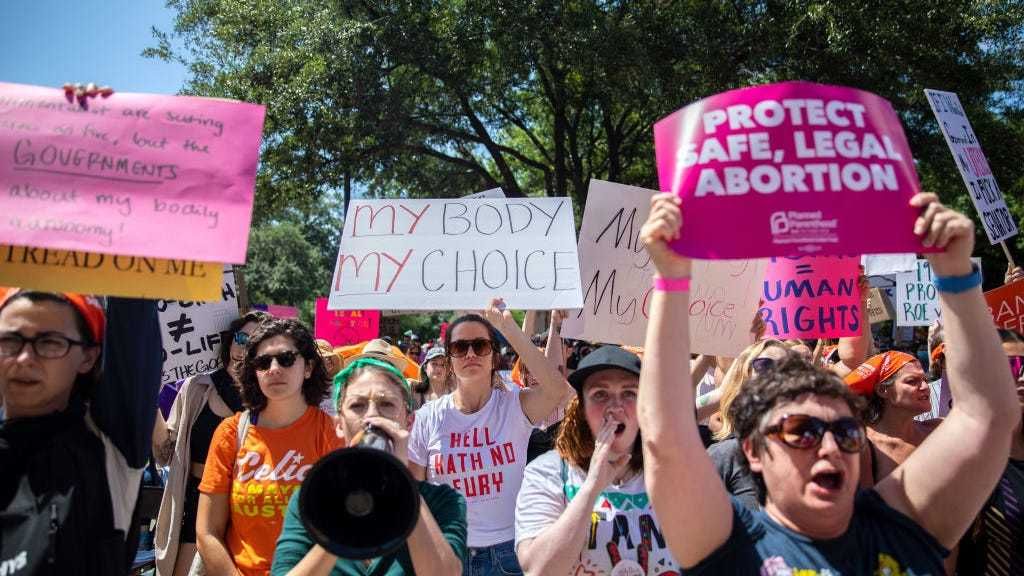
"This ruling is dangerous and cruel," he said, adding that medication abortion is a safe and widely-used form of reproductive healthcare that has been available to Americans for more than two decades.
"While this is a major setback," said Peters, "I won't stop fighting to protect access to this essential care and every American's right to make these extremely personal, private decisions without interference from politicians or judges."
In the Metro Detroit area, Oakland County Prosecutor Karen McDonald stated that she will not use her office's limited resources to enforce laws that criminalize abortion or any other healthcare decisions, which she says should remain between providers and patients.
"This case is further proof that the fight to protect women's healthcare is far from over," McDonald said.
These rulings come just two days after Governor Whitmer officially repealed the 1931 Michigan law banning abortions, the result of voters approving the Proposal 3 ballot initiative during last November's midterm elections.
The conflicting federal court decisions will likely land the issue of access to medication abortion in front the Supreme Court, which notoriously struck down Roe v. Wade last summer.