

As Texas moves to strip César Chávez Day from the state calendar and Dallas weighs renaming a downtown boulevard in his honor, here is a closer look at who Chávez was — and why his legacy has long been both celebrated and debated.
Who he was
César Estrada Chávez was born on March 31, 1927, near Yuma, Arizona. At 11, his family lost their farm during the Great Depression and became migrant farm workers. He left school after eighth grade to work the fields full-time to help support his family. He later served two years in the U.S. Navy before returning to the fields.
Building the movement
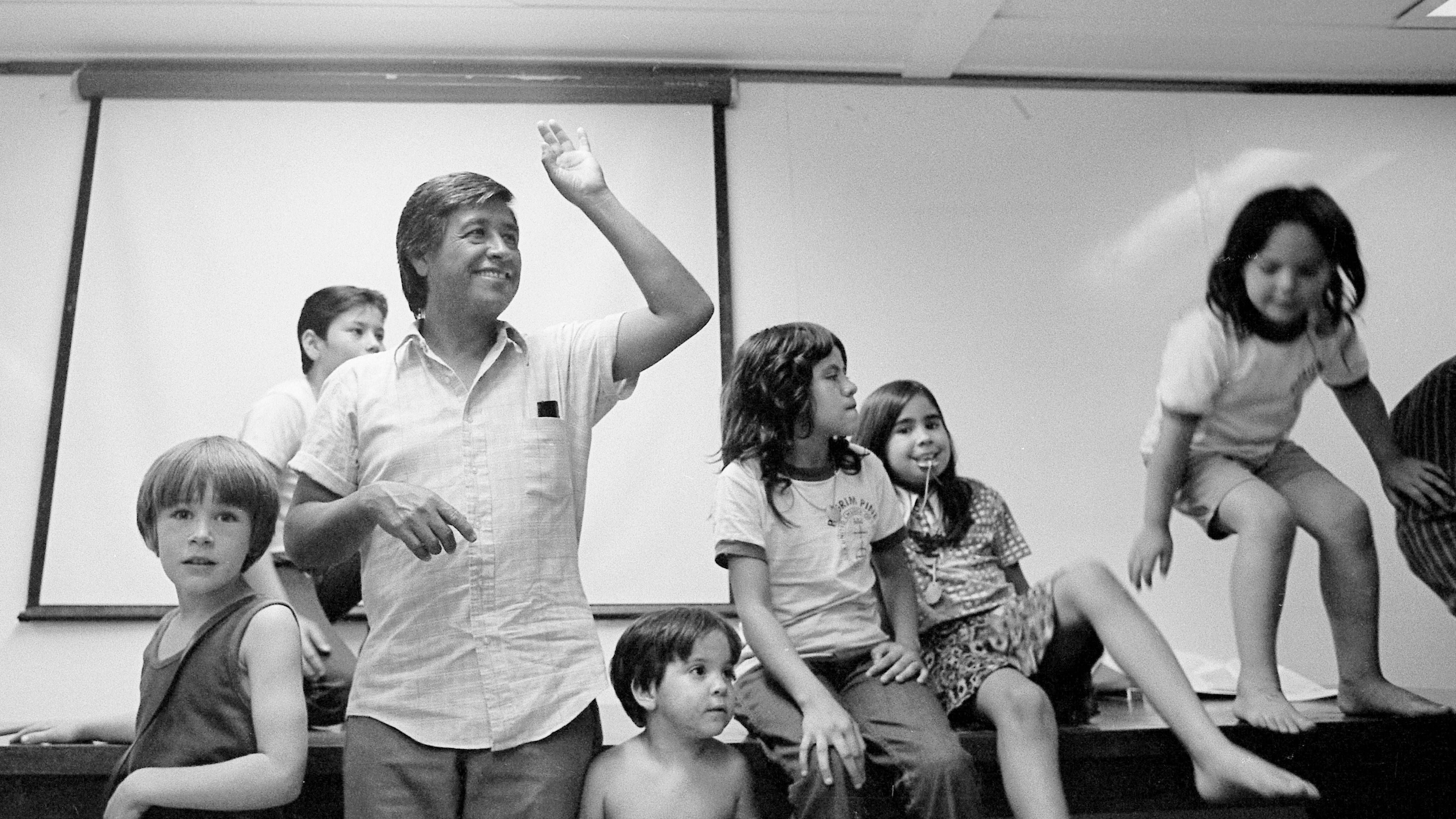
On his 35th birthday — March 31, 1962 — Chávez resigned from a steady job with the Community Service Organization and moved his family to Delano, California. With $1,200 in savings, he founded the National Farm Workers Association with ten members: himself, his wife Helen, and their eight children. The NFWA later became the United Farm Workers, the first successful farmworkers union in American history.
Landmark victories
Chávez's work succeeded where countless earlier efforts had failed, improving pay and working conditions for farm laborers in the 1960s and 1970s and paving the way for California's landmark Agricultural Labor Relations Act of 1975 — the first law in the nation guaranteeing farm workers the right to organize, bargain collectively, and vote in secret-ballot elections. Under his leadership, workers won water breaks, portable toilets, rest periods, improved housing, health benefits, disability and workers' compensation, pension plans, and protections against pesticides.
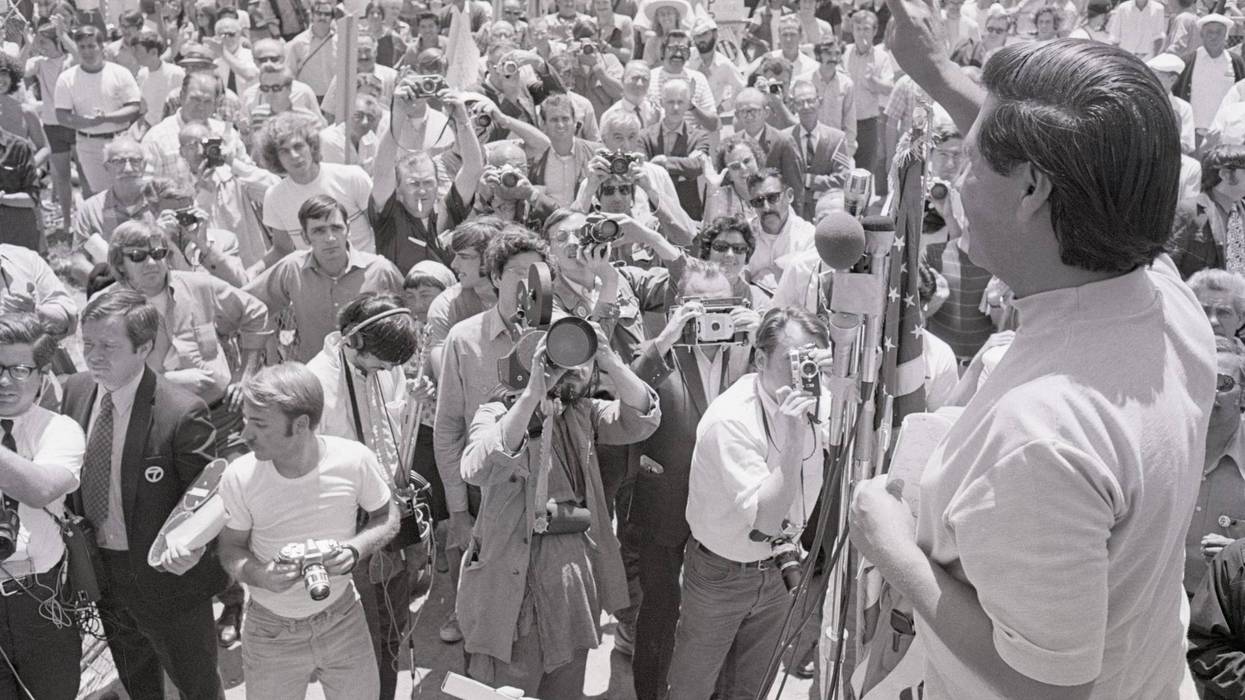
His tactics — prolonged fasts, a 340-mile march from Delano to Sacramento, and a years-long nationwide grape boycott — drew national attention and broad coalition support from labor groups, religious organizations, students, and celebrities. Senator Robert F. Kennedy joined Chávez when he broke a 25-day fast in 1968 and called him "one of the heroic figures of our time."
Honors and recognition
Chávez was posthumously awarded the Presidential Medal of Freedom in 1994 — the nation's highest civilian honor. His wife Helen accepted the award at a White House ceremony. His birthday became an official state holiday in ten states, and hundreds of schools, parks, streets, and public facilities across the country were named in his honor.
Criticism even before 2026
Chávez was a controversial figure even during his lifetime. UFW critics raised concerns about autocratic control of the union, purges of those he deemed disloyal, and a personality cult built around him. The union was also plagued by internal strife and ethnic divisions, and by the early 1990s its membership had declined sharply.
Death and the 2026 allegations
Chávez died on April 23, 1993, in San Luis, Arizona, at age 66, while still conducting union business. Fifty thousand people attended his funeral. In March 2026, a New York Times investigation found that he had sexually abused two underage girls in the 1970s, sexually assaulted UFW co-founder Dolores Huerta, and sexually harassed other women in his movement — allegations that triggered the cancellation of Chávez Day events across the country and a formal review of public honors bearing his name.