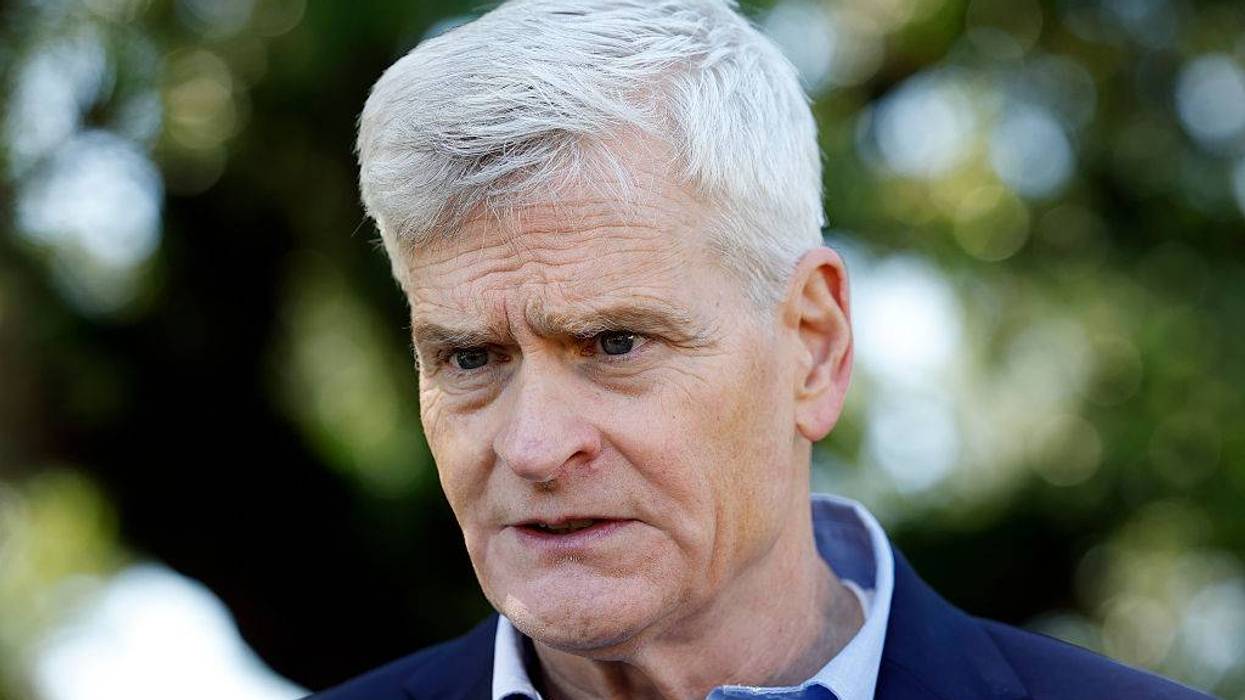


Dr. Jay Kaplan is an Emergency Physician with the LCMC Health system in New Orleans. He joined Newell Friday afternoon to talk about the challenges that frontline healthcare workers are facing now, and what challenges they may be facing when the virus abates and they return to their homes.“Doc, the folks on the front lines are experiencing things that are vastly different, there is nothing typical about this fight,” Newell began. “This strain reveals itself in so many different ways. It’s been described to me as flat-out scary.”
“Yes, the coronaviruses that we have dealt with before have been those typically associated with the common cold,” Kaplan said. “On occasion, we have said viruses like SARS or MERS, but they have not spread as rapidly or seriously as this. What’s been especially scary about this is that it is highly infectious, is spread by folks who are asymptomatic, and has affected both the young and the old. Initially, we were told it primarily affected elders, but that’s not been our experience. We’ve seen folks in their 40’s and 50’s, a percentage of which have had no complicating medical issues who have gotten critically ill.”“I’m reading that a lot of these medical professionals today are having to call on their own experiences of different types and trying to synthesize all that, and there’s a lot of pressure in a short period of time because these patients become very ill very quickly,” Newell continued.“That’s very true,” Kaplan agreed. “I’m used to seeing perhaps one or two or maybe even three people die, depending on what area of the emergency room I’m working in… I’m not used to seeing six people die in a night, and I’m not used to feeling helpless, and not having much to do for those patients. I have been really thrilled by the critical care approach that’s been developed at UMC, because initially we heard that out in Seattle they were saving about 10% of the patients they put on ventilators, and our experience has been more in the range of 35-40%. The team has done an outstanding job. What’s really scary is how quickly people can become critically ill and there’s no magic bullet for them. There’s no proven treatment right now, which leads those of us who like to save lives to have… difficult feelings.”The idea that the coronavirus pandemic is going to drag on for many more months is taxing for everyone, but those difficult feelings Dr. Kaplan described can have long-lasting effects on the mental health of the doctors, nurses and hospital staff who are working long, grueling hours in emotionally exhausting circumstances.“I think that duration factor is going to be very influential in regards to healthcare providers’ health, which is incredibly important. If you can’t stay healthy, stay of sound mind, and be in a position to deal with depression and everything else, it becomes a much bigger challenge for us.”
“Sometimes, to work through my feelings, I write some words. I wouldn’t call myself a poet, but I have written some poems in the past couple of weeks… many of us have these feelings right now, and if we don’t help our healthcare workers deal with those feelings, it makes it that much more difficult for us to sustain.”Read Dr. Kaplan’s poem “Pothole or Portal” below, and listen to the entire interview in the audio player below.
___"Pothole or Portal"
The streets of New Orleans
are known for their potholes
ever present varying in shape and depth
often not seen until too late
walking or driving along without a care
you are caught off guard
jolted
just how much injury has happened
you’ll discover that with your next move
now
you are told to stay at home
and think you might be safe
but inside you begin to recognize there are similar difficulties
internal potholes that seem to have been hidden
amidst the busy-ness and speed of everyday life
now temporarily that noise has been silenced
and you are left with the ruts in your road
and given the stress of your isolation they deepen
and become harder to see and avoid
you fall into fear
and then into anger
and then into grief
and then into regret
you’ re not good enough
you ‘re not doing enough
it’s your fault
you chose the wrong path
now
look to your left
look to your right
are you with people alongside you arm in arm
or do you feel alone
and lonely
what can be done to transform your potholes into portals?
what I mean by this is
instead of tumbling into hurt
and having to climb out
you pass through
to a new place where you’ve not been before
where your fear becomes your nerve
and your worry becomes your hope
where that which has been holding you back
now urges you on
where the jolt is now two elbows touching
encouraging a connection that is flexible and strong even if momentary
where injury and pain are expected because you care as you do
as you stride on with humility and daring
the road remains the road
you are different
you see the difficulties as challenges
you feel the ground and do not doubt its ability to support you
you accept that with all that you are not you can still inspire
and bring hope and love to those around you