



The Southeastern Conference has scheduled a vote to potentially expel LSU as a member on Dec. 3, but how realistic is that possibility?
National college football reporter for On3 Wilson Alexander, who previously covered LSU for The Advocate, told WWL Radio that while he considers it unlikely, it's not a threat that the program should be taking lightly.
"There is certainly a real threat, otherwise we wouldn’t see it in an official court motion and a federal lawsuit that the SEC is scheduling a vote for expulsion," Alexander said on SportsTalk with Steve Geller and Deuce McAllister. "However, there is a belief that they could even have the votes to do that. However, there is also a lot of skepticism that they would actually ever get to that point."
Hear the full interview with Wilson Alexander in the player above.
The planned vote is stemming from what it deems to be eligibility rules breached by LSU in repeatedly attempting to roster and play athletes who had signed professional contracts The saga began back in September when football coach Lane Kiffin sought to add two players to the roster who had signed NFL deals in TE Dae'Quan Wright and DT Zxavian Harris. LSU ultimately backed off after the league threatened sanctions and a membership vote.
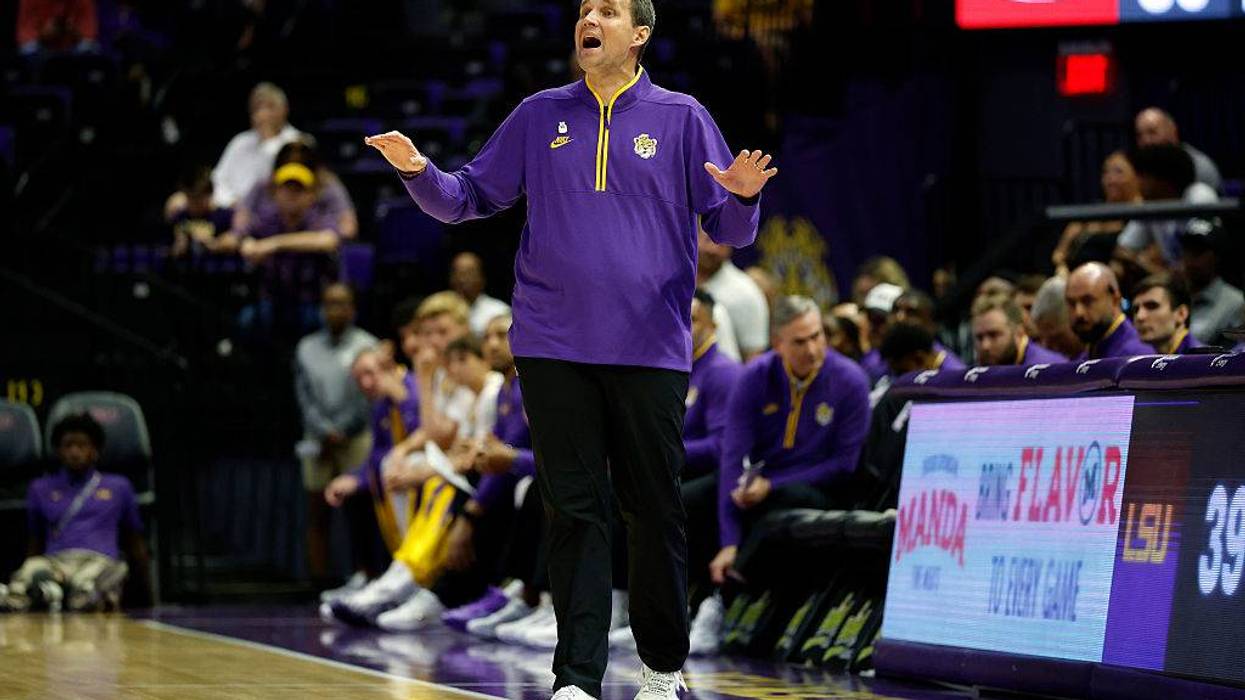
The conflict escalated again this month when men’s basketball coach Will Wade added and played guard RJ Luis Jr. — a former St. John’s star who had signed an NBA two-way contract with the Utah Jazz and appeared in Boston Celtics preseason games — in a non-conference win over Louisiana-Monroe. LSU argued that injunctions from Louisiana state courts bolstered their case and made Luis eligible, which the conference and its members appear to have viewed as a direct challenge to its authority. In an amended federal lawsuit filed in Alabama, the SEC alleges that LSU officials, including athletic director Verge Ausberry and Wade, assured commissioner Greg Sankey that Luis would not play, then allowed him to do so anyway. Expulsion would require a two-thirds vote of the other members.
Alexander expects some level of negotiation to take place over the next two weeks, but that it's unclear what a resolution would look like.
"it’s mutually beneficial for both sides to try to work this out," Alexander said. "It’s just that nobody really knows exactly how they’re going to be able to work this out. You’ve got a lot of political influence in Baton Rouge and I think the SEC would like to see that curtailed in some way, but as we all know in Louisiana, how do you go about doing that. Those things are very much intertwined, so is there going to be some sort of resolution that these two sides can come to. Can they come to a negotiation, that’s what we’re going to have to kind of see over the next week or so, because the SEC wants its pound of flesh. I don’t know if LSU right now is willing to give it.”
The broader stakes center on whether conferences can still enforce their own rules in an where NIL, the transfer portal and state court intervention has repeatedly undermined the NCAA's ability to enforce its own rules. The SEC argues that forced association with a school that openly defies shared standards violates associational rights and undermines competitive fairness for the other 15 programs. LSU would counter with the arguments that the outdated rules do not mirror the current landscape of college athletics and that court rulings should prevail.
Should LSU be voted out of the conference, the likely path forward would be as an independent program with some kind of network TV contract to create revenue, but they would be losing the significant financial benefit that comes from the SEC. The high-profile example of an independent school is Notre Dame, but there are few others that have seen real success in that endeavor. It would also create very real complications and hurdles for smaller programs as they seek to fill out their schedule, particularly considering that SEC member schools would likely be off the table entirely.
"That would be really, really complicated," Alexander continued, "but independence would likely be the path forward if that were come to pass. That might be putting the cart in front of the horse a little bit at this point, althought again, it is certainly realistic because at the moment, there is a vote on the table next Thursday.”