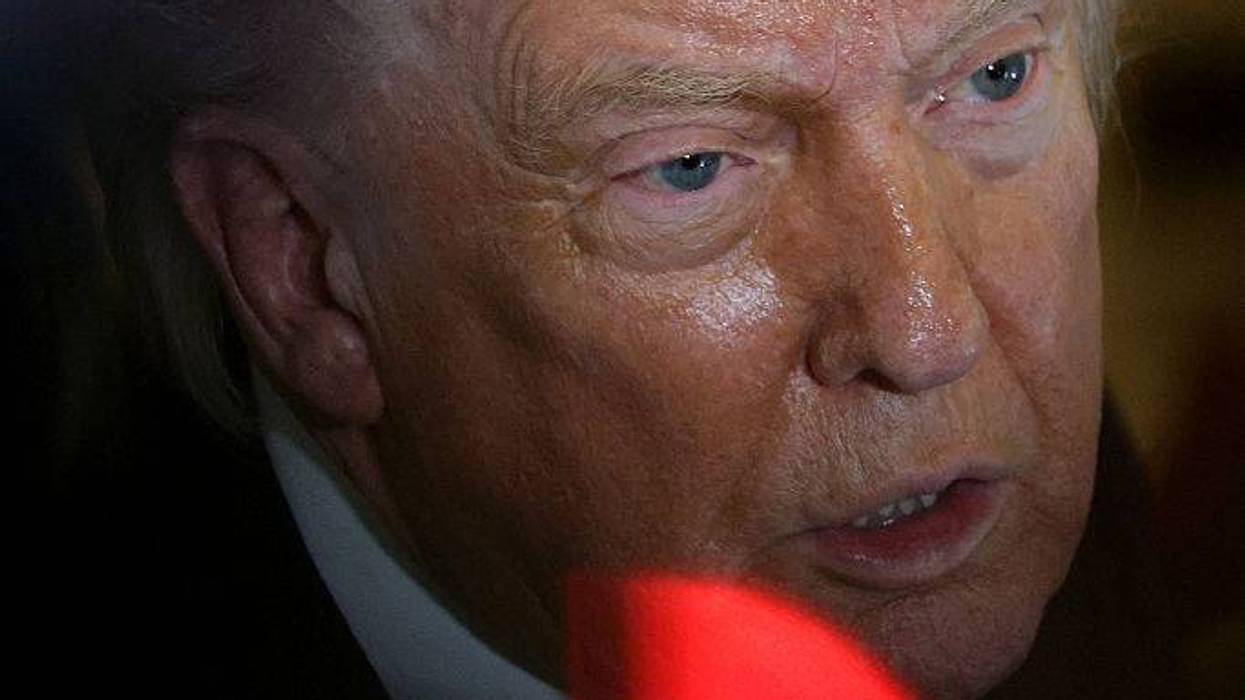



After testing positive for COVID-19, is the President sick?
Dr. Sean Conley is the President Trump's physician. He said in a memorandum, "The President and First Lady are both well at this time, and they plan to remain at home within the White House during their convalescence."
The Physician to the President stated that he and the White House medical team will maintain a vigilant watch.
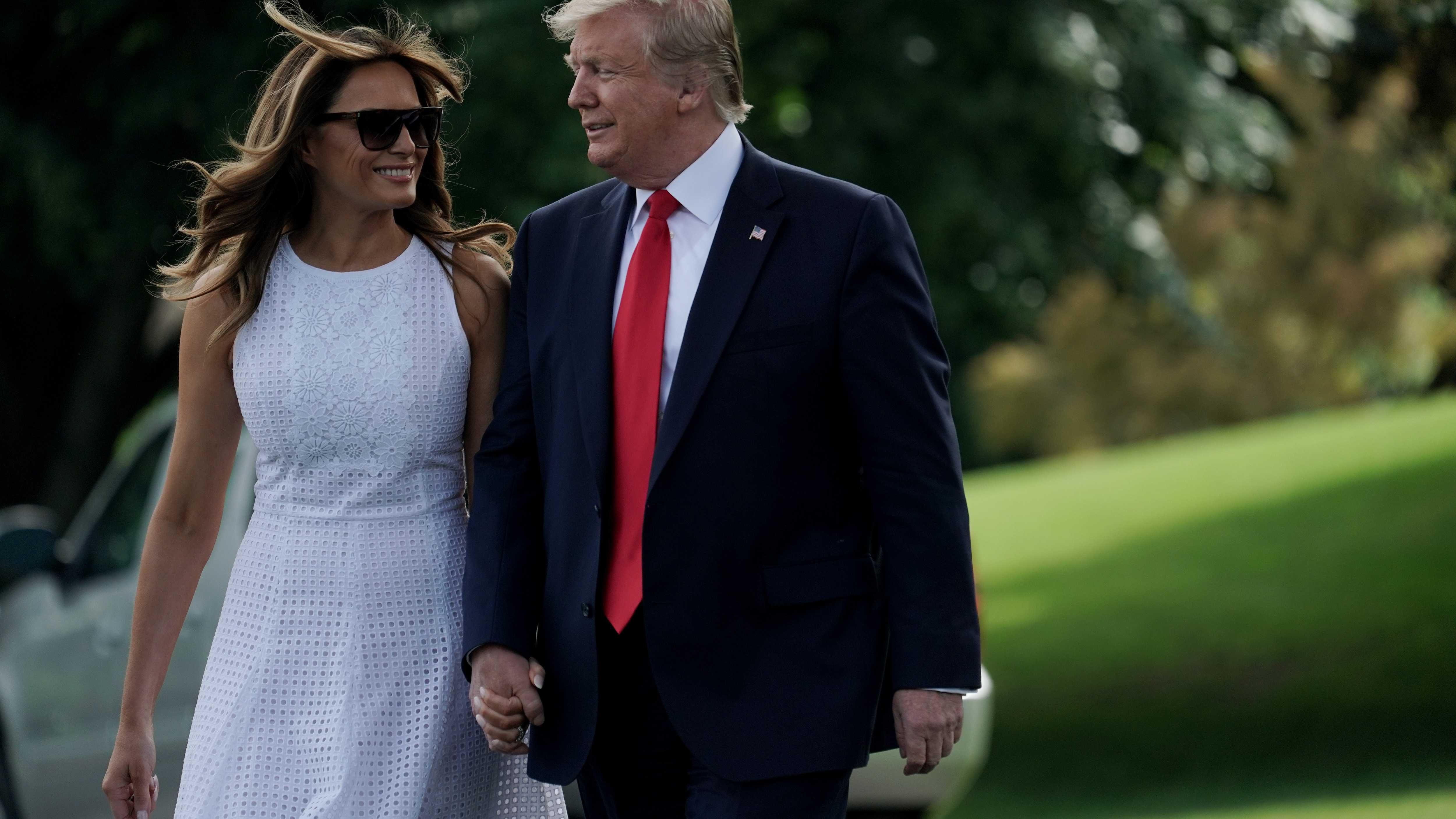
"Rest assured I expect the President to continue carrying out his duties without disruption while recovering," Dr. Conley wrote.
Reports from those who observed him Thursday did say that he seemed to have less energy than usual.
White House Chief of Staff Mark Meadows says President Trump "has mild symptoms."
What are the risk factors that face the president?
Age... President Trump is 74 years old. The CDC says that statistically 8 out of 10 COVID-19 deaths reported in the US have been adults 65 years old and older. Older people are also more likely to be hospitalized after contracting coronavirus.
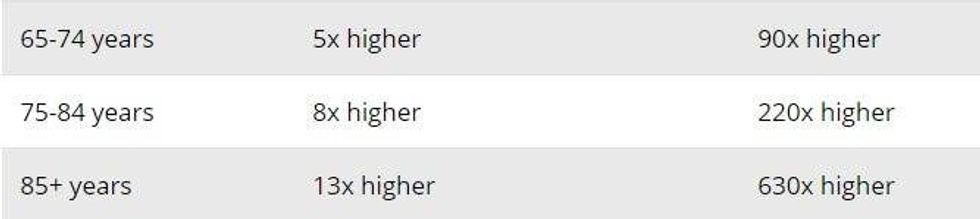
Obesity... The CDC says, "Having obesity, defined as a body mass index (BMI) of 30 or above, increases your risk of severe illness from COVID-19." The statistics show that someone with a BMI of more than 30 triples the risk for hospitalization.
What happens in the president gets very sick and cannot carry out his duties?
The 25th Amendment to the US Constitution states that if the President is unable to discharge the powers and duties of his office, the Vice President shall immediately assume the powers and duties of the office as Acting President.
Reassuming the presidency could get tricky, however.
The 25th Amendment goes on to detail that after the President is able to return to performing duties of the office and no inability exists, he shall resume the powers and duties of his office unless the Vice President and a majority of either the principal officers of the executive department or of such other body as Congress may by law provide, disagree that the President is able to again discharge the powers and duties of his office.
If that happens, Congress shall decide the issue. If Congress then determines by two-thirds vote of both Houses that the President is unable to discharge the powers and duties of his office, the Vice President would continue to discharge the same as Acting President. If the vote is short of the two-thirds needed, the President shall resume the powers and duties of his office.
What if the President dies?
This is addressed in Article II of the US Constitution.

It says that in the case of the removal of the death of a President, the powers and duties of the office shall devolve on the Vice President.
After that the line of succession is determined by the Presidential Succession Act of 1947.
The Act establishes the order of succession in case if neither the President nor the Vice President is able to discharge their functions.
After the Vice President, the next in line is the Speaker of the House of Representatives. Next would be the President Pro Tempore. It falls to the Cabinet after that in order of the establishment of each position.
Here is the order:
Speaker of the House of Representatives
President Pro Tempore of the Senate
Secretary of State
Secretary of the Treasury
Secretary of Defense
Attorney General
Secretary of the Interior
Secretary of Agriculture
Secretary of Commerce
Secretary of Labor
Secretary of Health and Human Services
Secretary of Housing and Urban Development
Secretary of Transportation
Secretary of Energy
Secretary of Education
Secretary of Veterans Affairs
Secretary of Homeland Security