


I’d imagine most of us are readying up to do some holiday cookin'. As you do, are the risks of food-based contaminants on your mind?
News of foodborne illness outbreaks have been popping up in the headlines of American newspapers for a long time.
For example, the most deadly outbreak was the Swill Milk Scandal in the 1850s, which is estimated to have killed around 8,000 infants. Local farmers intentionally fed cows contaminated waste from a local grain distillery. The food had substances like chalk and plaster, which were used to make the milk appear more white.
That’s an extreme example, but there’ve been over 1,900 food recalls so far in 2024—including meat, produce, and dairy. And in the most extreme cases, it’s led to death.
For those who follow foodborne illness outbreaks, it might feel like cases are rising. But are they?
According to the FDA, we’ve seen a 20-25% spike in food recalls over the past three years. But why?
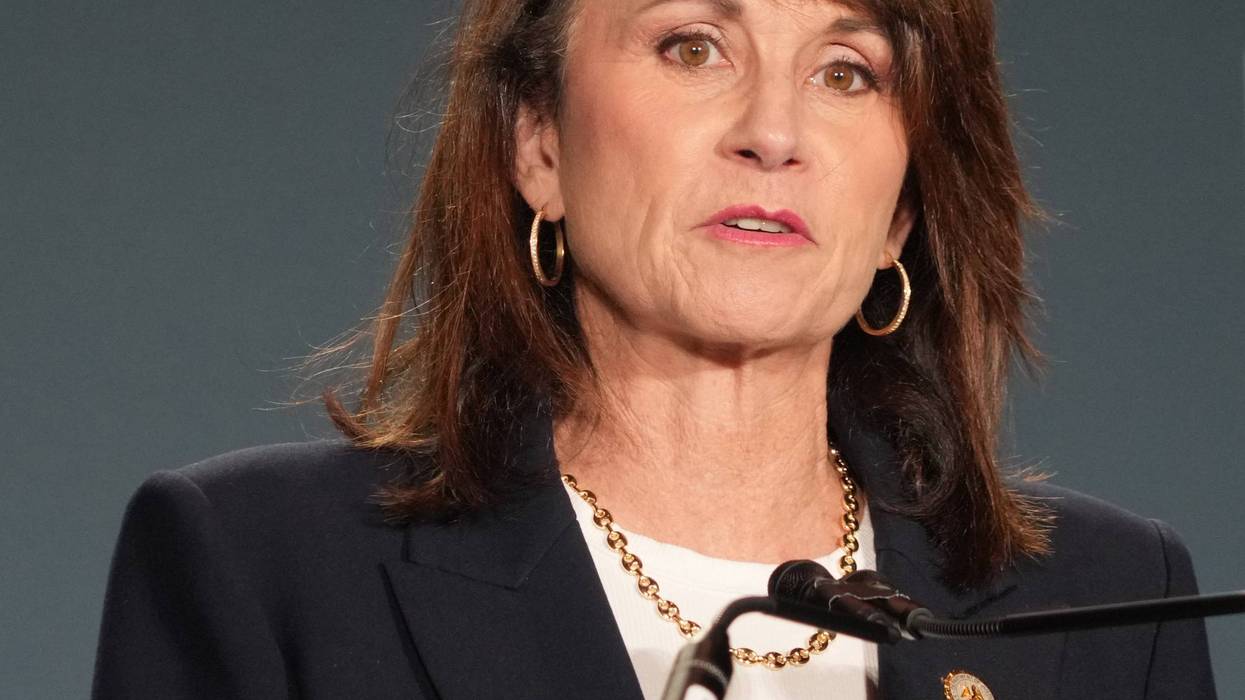
I interviewed Darin Detwiler, Associate Professor at Northeastern University, who recently appeared in a Netflix documentary titled “Poisoned: The Dirty Truth About Your Food.” He explains in our segment how foodborne illness is tracked, why it’s so difficult to identify, and explains why we're seeing rising rates.
We cover plenty of fascinating topics, like why, contrary to what we might think, produce causes more outbreaks and recalls than any other type of food, and why certain states are better at preventing tracking, and quelling outbreaks than others.
However, while awareness is key, as you go into preparing your holiday dishes, Detwiler reminds us that the key is operating in wisdom, not fear. He shared this to close out our interview:
“There are recalls. But we can’t always be afraid of everything. We say things to our children like ‘Look both ways before you cross the street’…But we still cross the street and have to go down the road… I don’t want people to be afraid of food. We all need food. We celebrate with food. We gather around food. But we have to realize there are better decisions we can make because there may be a recall and we need to know what to do if that happens.”