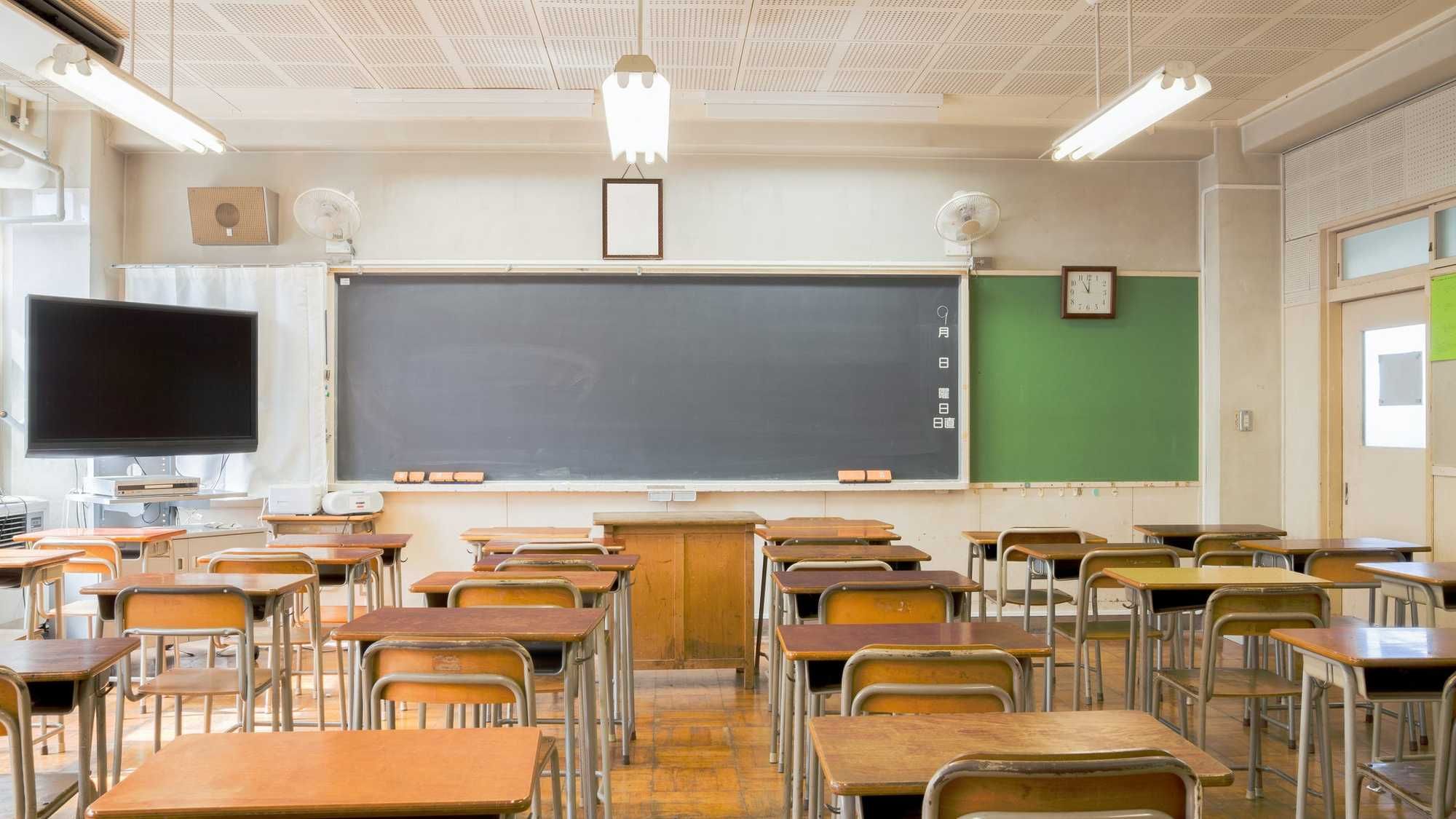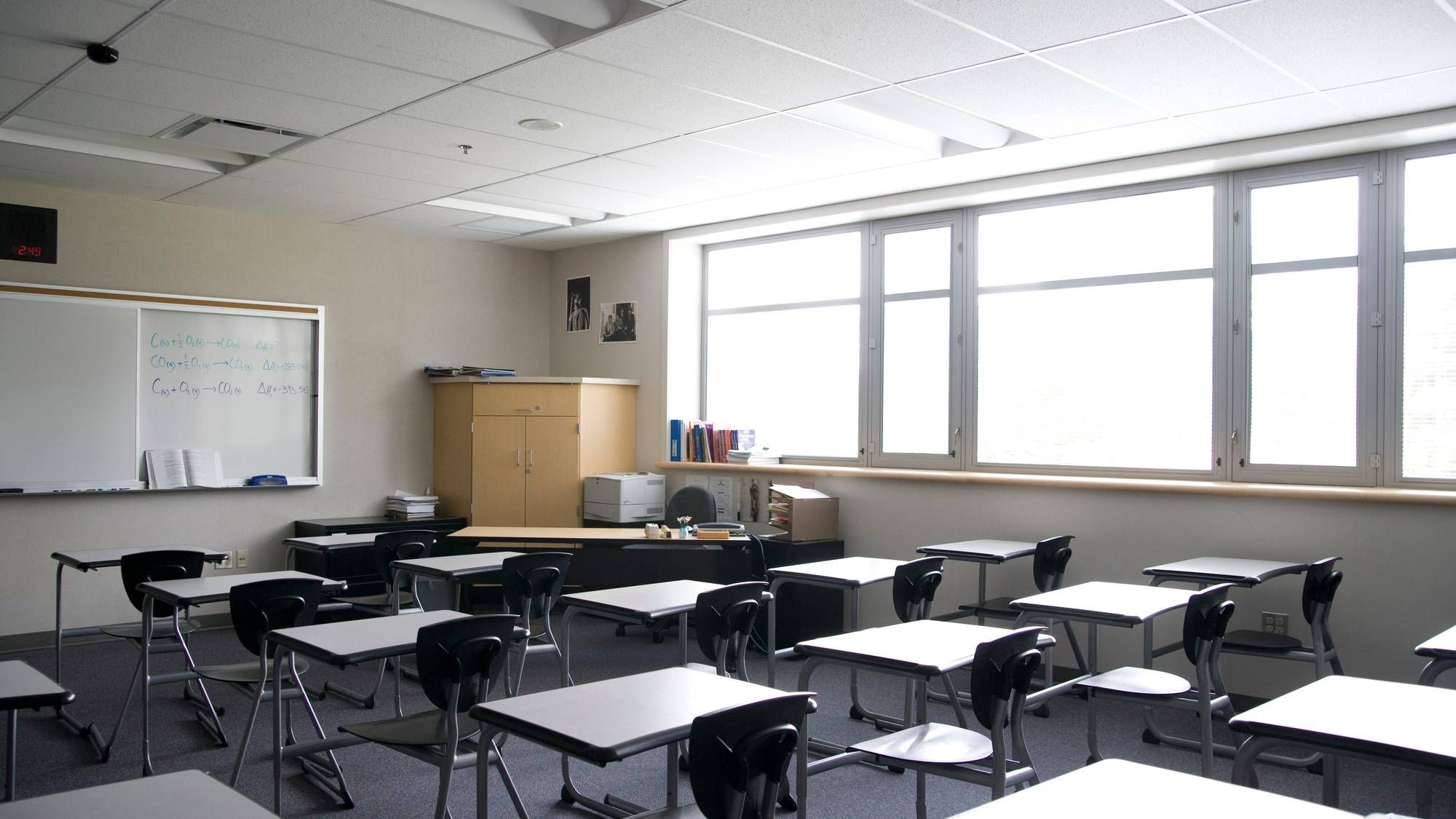


School is in session across Louisiana, but many schools across the state don't have a full staff of teachers. In fact, state officials say the state’s public schools have a shortage of around 2,500 teachers.
According to Louisiana Federation of Teachers President Larry Carter, several factors are making the state's teacher shortage worse.
“It really isn't just about money,” Carter told WWL’s Tommy Tucker. “It is about in most cases--we've been hearing from teachers, especially in the last two weeks before school started--respect also matters."
Carter says public sentiment about public eduction over the last five years has forced teachers out of the system and has kept potential teachers away from the classroom. He adds that school safety concerns have also caused teacher numbers to dwindle.
"It's something that we're very concerned about,” Carter said. “It's a trend that started before COVID, but it has actually exceled during and even now after we're coming out of the pandemic."
Meanwhile, teachers are having to carry the load of their jobs and the jobs of the teachers are who missing.
“They can’t even do their regular planning periods to prepare for the next class or the next day because they have to give that up in order to cover for those teachers who are not in the classroom,” Carter said.
Carter says the shortage impacts students both academically and psychologically.
“They develop a bond, and when that’s constantly broken because of teachers coming and going, that’s not good for kids. That’s not good for us taking care of our kids,” Carter said.
Carter says pay raises and more public respect are needed to recruit and retain teachers. Another way to fill the gaps, he says, is to recruit retired teachers back into the classroom.
“There are quite a few teachers who retired over the last five years or even 10 years and they’re being given some critical needs shortage issues that put them in the situation where it won’t impact their retirement benefits and they can come back into the classroom and teach if it’s a critical needs shortage area,” Carter said.