


NEW YORK (AP) — For months, New York Gov. Kathy Hochul has resisted calls to increase taxes on the wealthy, beating back progressives who have hounded her from Manhattan to Puerto Rico bellowing chants of “tax the rich.”
Now she is pitching a compromise.
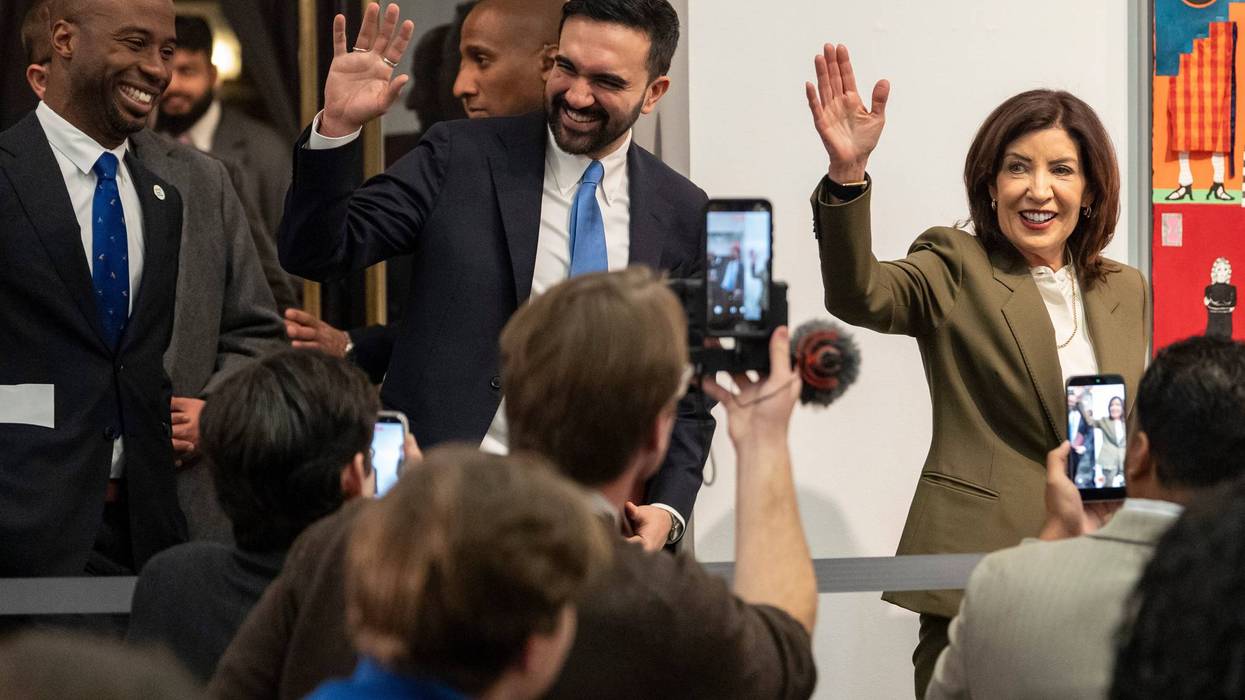
The moderate Democrat says she will push to create a new tax on multimillion-dollar second homes in New York City known as pied-à-terres, attempting to appease Mayor Zohran Mamdani and his supporters while also tending to her concerns about destabilizing the state's finances.
The idea, announced Wednesday, would allow the city to impose a tax surcharge on secondary residences worth over $5 million, with the governor's office saying it could generate at least $500 million annually as Mamdani moves to fill a multibillion dollar budget hole and fund his ambitious agenda.
“As Governor, I understand the importance of stabilizing the city’s finances without compromising on essential services New Yorkers count on," Hochul said in a statement. "If you can afford a $5 million second home that sits empty most of the year, you can afford to contribute like every other New Yorker.”
The governor's office said she would include the measure in this year's state budget, a sprawling bundle of bills that are still being hotly negotiated in Albany after the governor and Legislature blew past an April 1 due date for the spending plan.
Mamdani, who has called for a much broader tax increase on the rich, cast the proposal as a win, saying in a statement that it places him “one step closer to balancing our budget by taxing the ultra-wealthy and global elites.”
At an unrelated forum focused on taxes, Mamdani, appearing in front of a large banner that read “Tax The Rich,” said the proposal would target the “super wealthy who can purchase properties and use them to store their wealth to benefit from New York City’s real estate market but not have to pay back into that same city.”
Hochul has long rejected increasing personal income or corporate taxes, arguing that such measures would further incentivize residents and big businesses to flee the city for states with lower tax rates, thereby eroding the state’s tax base.
Still, the calls have followed her, with progressives chanting “tax the rich” when she appears at events, and even when she was at an annual political conference in San Juan late last year.
The governor is also contending with a possible political vulnerability over raising taxes as she runs for a second full term in office and tries to fend off Republican criticisms over high taxes in the state.
Her Republican challenger this fall, Bruce Blakeman, wasted little time in turning the proposal into a familiar attack.
“Kathy Hochul’s ‘No Tax Hike’ promise has expired faster than the families fleeing New York’s affordability crisis," said Blakeman, a county executive in the city's suburbs. “Unlike Hochul, I’ll actually keep my word when I’m governor: I’ll cut your taxes, slash your utility bills in half, and protect the American Dream.”
Mamdani, a Democrat, has urged the governor and state Legislature to raise taxes on the rich, calling for wealthy residents to pitch in more money for programs intended to help the city's struggling working-class.
At the same time, he also finds himself confronting a massive budget gap — which he first put at around $12 billion but later revised to about $5 billion after savings and financial assistance from the state — that could imperil his agenda and city services more widely.
At a news conference, Hochul said the proposal will help the city close its budget gap without having to cut services, but said the mayor and City Council must find additional savings as they move to balance their budget.
“Our goal is to get the city on stable ground, to close the gap so we can take the pressure off,” she said.