


A new report on climate science suggests that the impacts of human-caused global warming are happening so much faster than expected that mankind might not be able to adapt to the crisis quick enough.
The report from the United Nations Intergovernmental Panel on Climate Change indicates that the rise in weather and climate extremes has already led to some irreversible impacts as natural and human systems being pushed beyond their ability to adapt.
United Nations Secretary-General Antonio Guterres called the report "an atlas of human suffering and a damning indictment of failed climate leadership."
"With fact upon fact, this report reveals how people and the planet are getting clobbered by climate change," Guterres said in a statement. "The facts are undeniable. This abdication of leadership is criminal. The world's biggest polluters are guilty of arson of our only home."
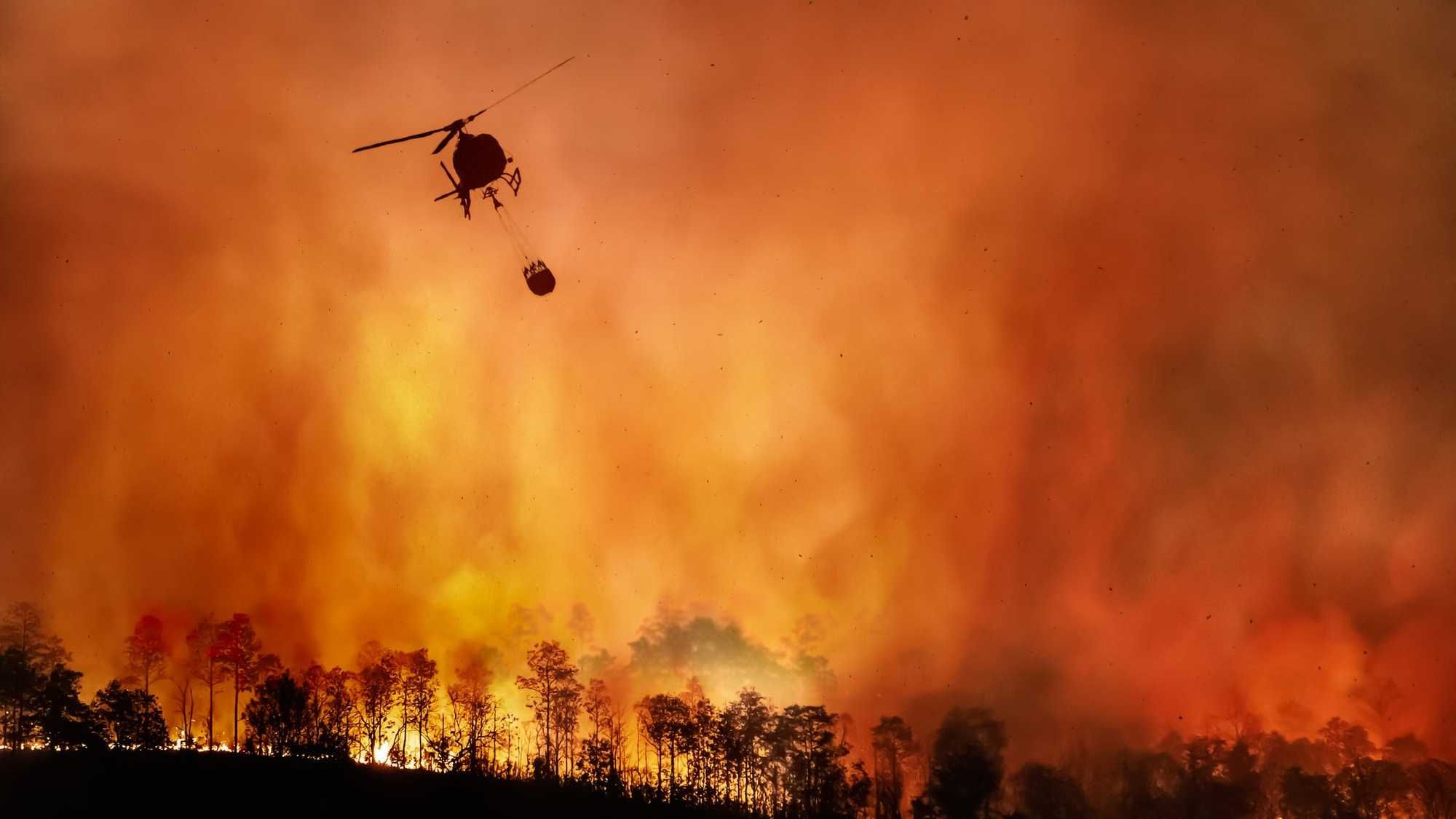
The report, based on years of research from a panel of more than 200 scientists, indicates that if human-caused global warming isn't limited to just another couple tenths of a degree, an Earth now struck regularly by deadly wildfires, heat and floods will degrade in many different ways, with some being "potentially irreversible," the Associated Press reported.
The report warns that delaying cuts in heat-trapping carbon emissions and waiting on adapting to warming's impacts will cause mankind to "miss a brief and rapidly closing window of opportunity to secure a livable and sustainable future for all," according to the AP.
"Climate change isn't lurking around the corner, waiting to pounce. It's already upon us, raining down blows on billions of people," said Inger Andersen, Inger Andersen, Executive Director of UN Environment Programme. "We are in an emergency, heading for a disaster. We can't keep taking the hits and treating the wounds. Soon those wounds will be too deep, too catastrophic, to heal."
The report indicates that approximately 3.3 to 3.6 billion people around the world, about half of the global population, are considered "highly vulnerable" to the effects of climate change and are 15 times more likely to die from extreme weather. The countries that emit the least planet-warming gases, tend to be the ones disproportionately harmed by climate hazards, CNN reported.
John Kerry, the first U.S. special presidential envoy for climate, said governments need to heed the report and take action before it is too late.
"Denial and delay are not strategies, they are a recipe for disaster. Fortunately, we have a blueprint for action," he said. "The best scientists in the world have shown us that we must accelerate adaptation action, with urgency and at scale."
The report notes that the future isn't set in stone, giving the reigns to world leaders, governments, businesses and individuals to save the planet.