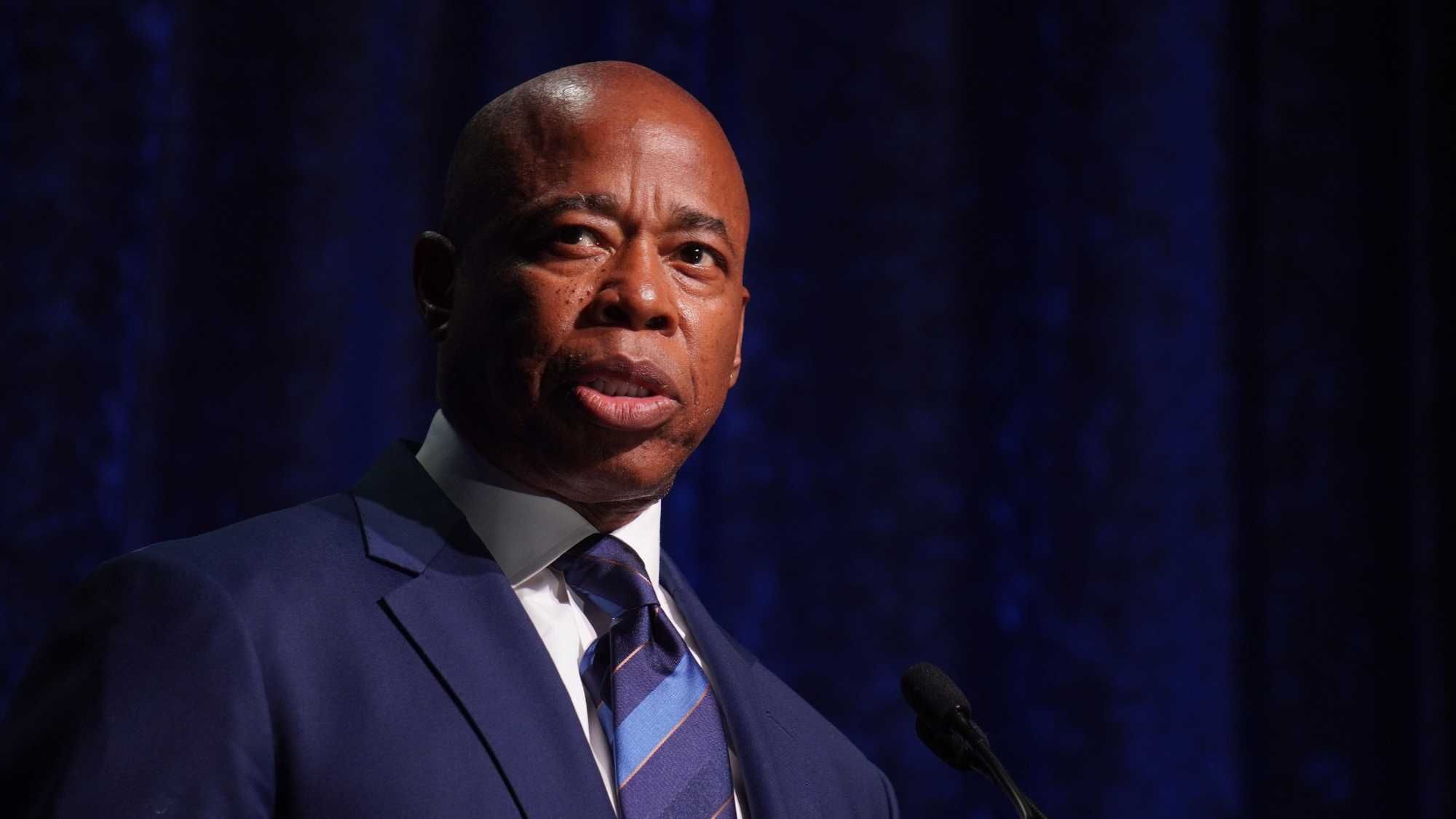



NEW YORK (1010 WINS) — Manhattan District Attorney Alvin Bragg announced two social work programs to address mental health issues, substance abuse and recidivism on Wednesday.
The programs will be funded by a $9 million grant from the DA's Criminal Justice Investment Initiative — a discretionary fund created with seized money from major banks during prosecution.
The money is administered by the CUNY Institute for State and Local Governance, which will also be managing the new programs.
Up to $6 million will be earmarked for a new "Neighborhood Navigators" program.
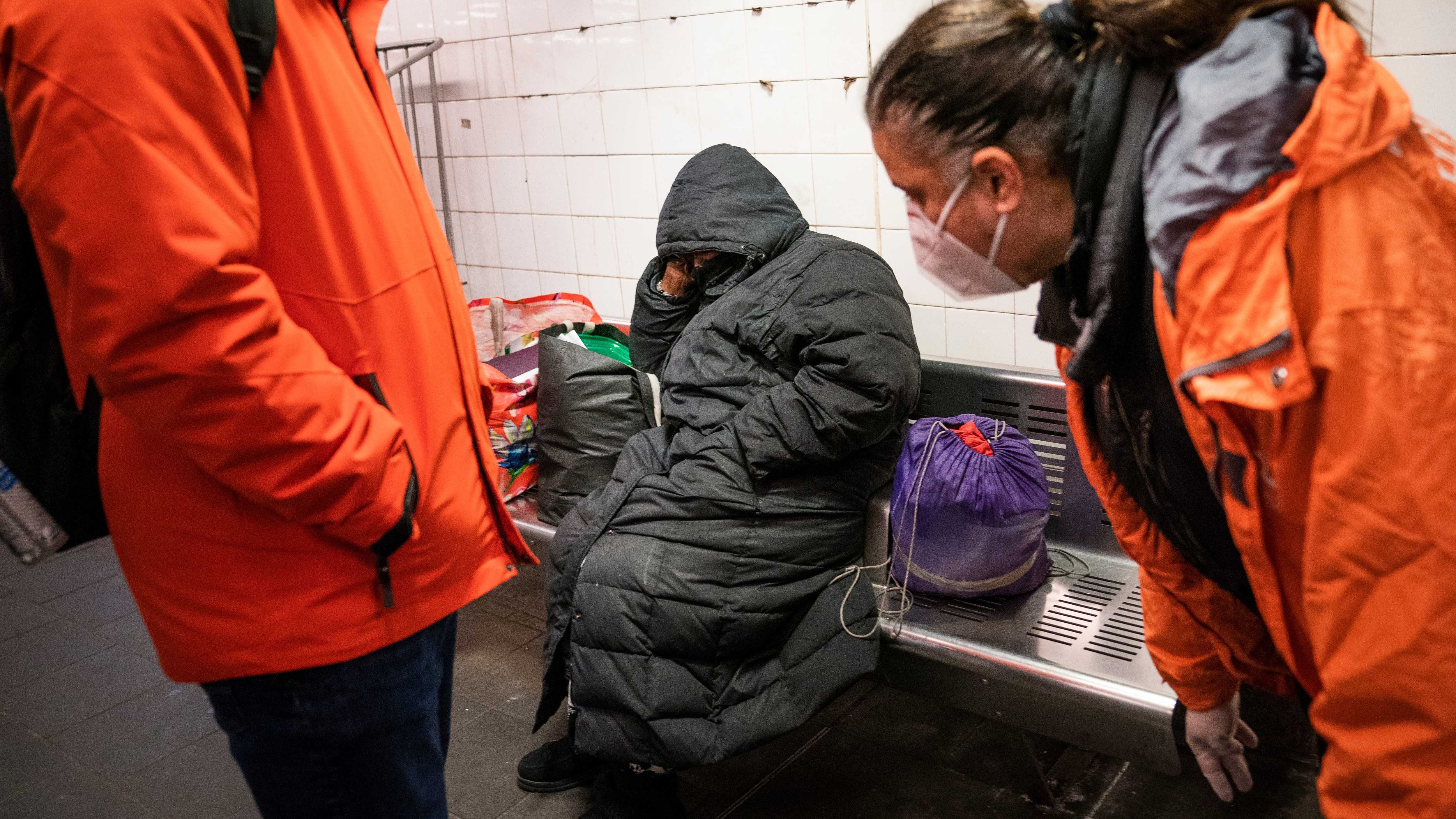
The initiative will establish a team of social workers to reach out to homeless people suffering from mental health problems or substance abuse and connect them with services.
Accessing services like food, clothes, medical supplies and housing assistance is often made difficult by complicated bureaucracies.
If a recipient doesn't have an address or identifying paperwork, that process can be near impossible.
The team will work in Washington Heights, Inwood, Chinatown, the Lower East Side, Harlem, Hell's Kitchen, Midtown West and Chelsea to build relationships with homeless people and connect them with services.
The remaining $3 million will be used for a "Court-Based Navigators" program.
Social workers in this team will intervene at arraignments in an attempt to get services for people with a history of recidivism.
The goal will be to stabilize the lives of the defendants and break the cycle of arrests.
Services provided by this team will be separate from court ordered programming.
"The COVID-19 pandemic destabilized our communities in unprecedented ways and contributed to the profound mental health and substance use crisis gripping our city today," said Bragg. "The $9 million mental health investment we are announcing today is rooted in an understanding that true and lasting public safety requires investment in our friends, family, and neighbors who are struggling to get the support they need. By investing in preventative efforts, we are making it clear that the criminal justice system must not be the main vehicle for addressing mental and behavioral health."
The DA's office anticipates the first steps in the process of implementing these programs will start in January.
The money will support six months of planning and three years of implementation.