


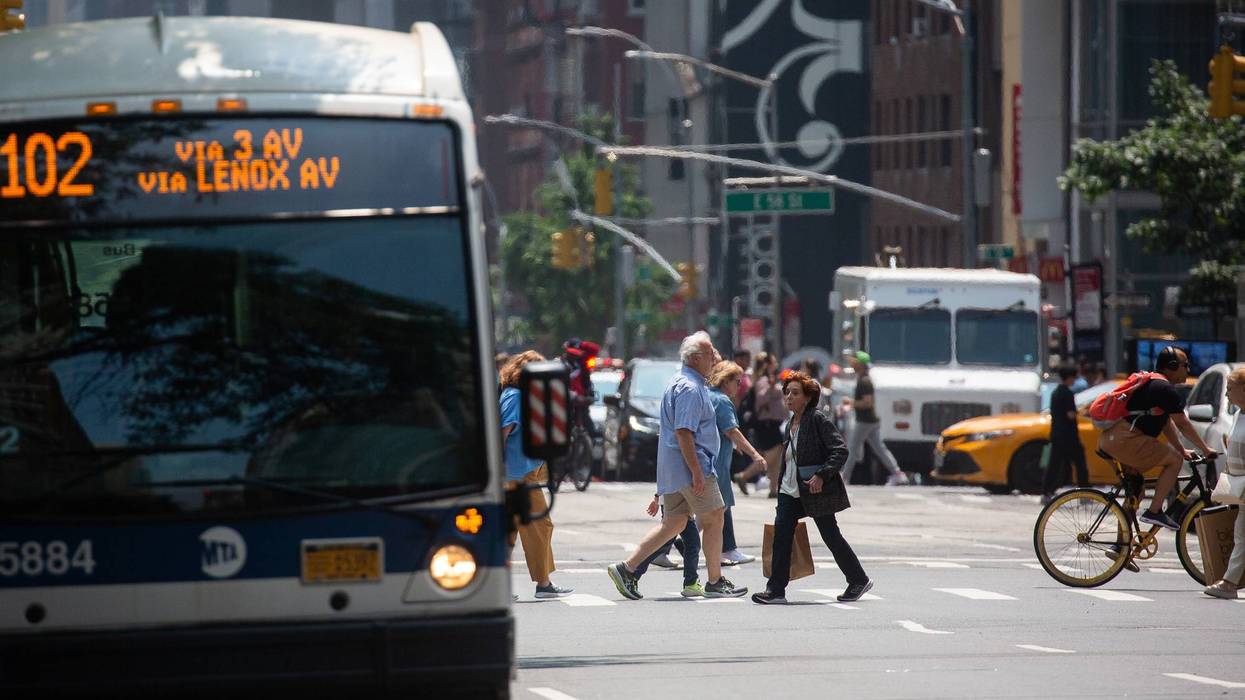

NEW YORK (BLOOMBERG) -- Mayor Zohran Mamdani wants to make the city’s buses free. To many riders, they already are — a trend transit officials are finding hard to reverse.
Nearly half of New York’s bus riders skipped paying the fare this year through June, in line with the rate in the final quarter of 2025 and up from 44% in the period before that, according to data from the Metropolitan Transportation Authority, which oversees the city’s subways, buses and commuter rail lines.
It’s a setback for the agency, which had expected to reduce fare evasion by about 2% this year after implementing changes as part of efforts to tackle a problem that’s plagued the system since the pandemic. And it comes as Mamdani signals a continued commitment to fulfilling a campaign pledge of making buses free.
Neal Zuckerman, chair of the MTA’s finance committee, said during a Monday meeting that while he understands there may be political and affordability reasons for wanting free buses, “it is not the right approach for this organization at this point, and frankly, it’s having a material financial impact on us by just talking about it. A perception that something is free is being treated as free.”
The persistent fare evasion is hurting the MTA’s farebox collections on buses, with that revenue $35.7 million below budgeted estimates for the first six months of 2026, according to MTA documents. To be sure, even with the rampant fare evasion, the MTA pulled in about $850 million from its buses last year.
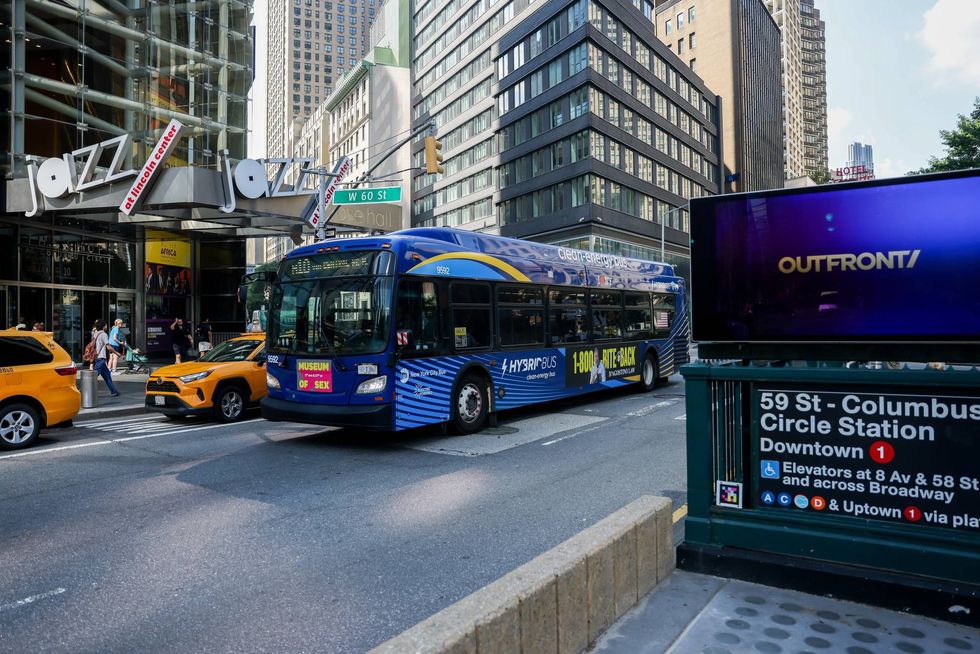 An MTA makes its way on Broadway last month.Michael Nagle/Bloomberg
Mamdani, MTA officials and New York Governor Kathy Hochul earlier this month unveiled a program to make buses faster by adding more designated lanes, updating traffic signaling and expanding all-door boarding. That plan doesn’t include making buses free for everyone, though the mayor said he continues to push for such a change.
“We’ll continue not only to believe, but to work towards making our bus system free as well,” Mamdani said on July 8 at a press event about the plan for faster buses. While the MTA is a state agency and not under the city’s control, four of its board seats are recommended by the mayor.
The agency made New York City buses free, temporarily, during the height of the pandemic. About 23% of bus riders avoided the fare at the end of 2020, with that percentage soaring to 50.6% in the second quarter of 2024. The MTA started to reverse that trend, bringing fare evasion down to 44% in the third quarter of 2025 but it has since inched back up.
Eagle Teams
“What we had done in our financial plan projection was try to recover some of those fare evasion numbers on buses and hope that it would decrease and so we had built that into our financial plan,” Jai Patel, the MTA’s chief financial officer, said during the meeting. “What we’re seeing is that it’s not materializing at the rate that we have projected.”
Unarmed security, called Eagle Teams, have been riding MTA buses to watch and see if riders pay the fee and hand out summons for those that fail to pay. Those teams for the past two months have been using hand-held devices to verify on a rider’s phone whether that person paid the fare, similar to what many transit systems in Europe do to make sure customers pay. MTA officials are hoping this new model will help reduce avoiding the fee.
Mamdani’s free-bus aspiration is part of a broader focus on making the city more affordable for working New Yorkers who struggle to pay for groceries, child care, rent and public transportation.
“The fact that some people are unable to afford bus fare highlights the affordability crisis in our city,” Jeremy Edwards, a spokesperson for Mamdani, said in an emailed statement Tuesday. “Whether you are trying to get to work or drop your child off at daycare, you shouldn’t have to choose between paying for the bus or paying your bills, which is why the Mayor remains committed to making our buses free and our transit system more affordable for all New Yorkers.”
State, city and MTA officials would need to find an alternative revenue source if buses were free, especially because the MTA has $16.2 billion of outstanding debt that’s repaid from subway and bus farebox collections.
More stories like this are available on bloomberg.com.


