


NEW YORK (BLOOMBERG) -- Mayor Zohran Mamdani was hit with a string of warnings this week about the city's finances, as he tries to enact ambitious campaign promises while contending with a gloomy fiscal reality.
Mamdani has proposed a preliminary $127 billion budget for the fiscal year that begins July 1. But other officials have cautioned that the city's finances are in a precarious state. Comptroller Mark Levine put it simply on Wednesday: "New York City is spending more money than it takes in."
For fiscal 2026, Levine, who was sworn in to office in January alongside Mamdani, estimates operating expenses to be $4.5 billion more than revenue.
At the same time, two of the largest credit rating companies are raising their own alarms. Moody's Ratings cut its outlook on the city to negative on Wednesday, citing persistent projected budget gaps, while S&P Global Ratings said earlier this week that the mayor's proposed budget and financial plan could "make it difficult to sustain budgetary balance beyond fiscal years 2026 and 2027."
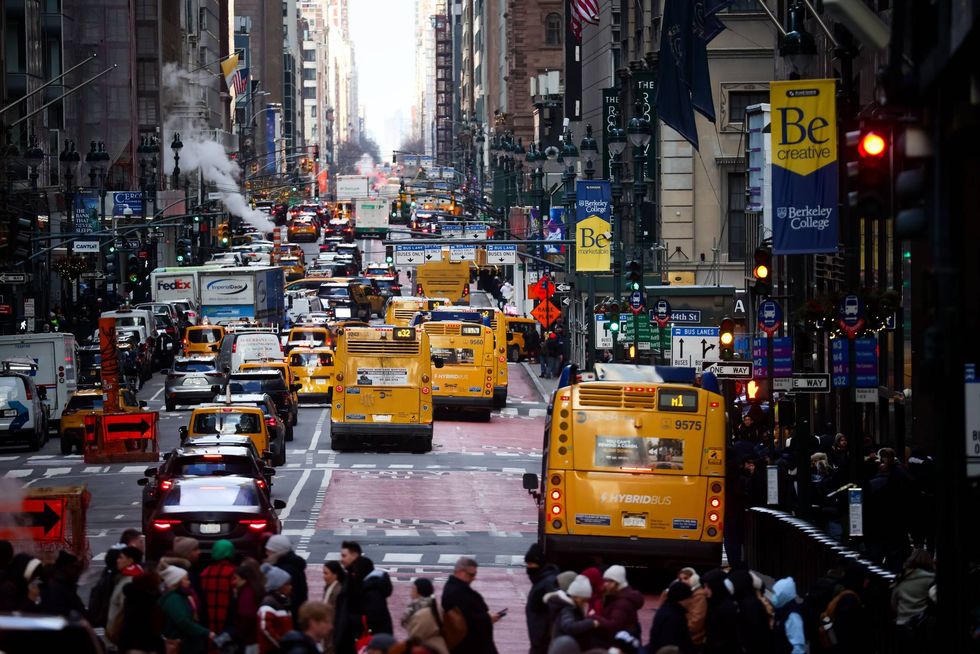 The warnings about New York City's budget health come as Mamdani tries to enact his ambitious campaign promises.Michael Nagle/Bloomberg
In his first months in office, Mamdani has already sparred with Governor Kathy Hochul over funding, and the new projections could set the stage for an even more pitched dispute between the new mayor and the governor over the city's finances.
Beyond just this year, the red flags raised by rating companies this week reflect longer-term concerns and signal an uphill battle for a new mayor with ambitious — and expensive — plans for free buses, city-run grocery stores and mental health services.
The city's five-year financial plan forecasts gaps of as much as $6.7 billion for fiscal 2028, $6.8 billion for fiscal 2029, and $7.1 billion for fiscal 2030, S&P said in its report. Based on that plan, analysts estimate New York City's financial flexibility will drop to the lowest since fiscal 2014.
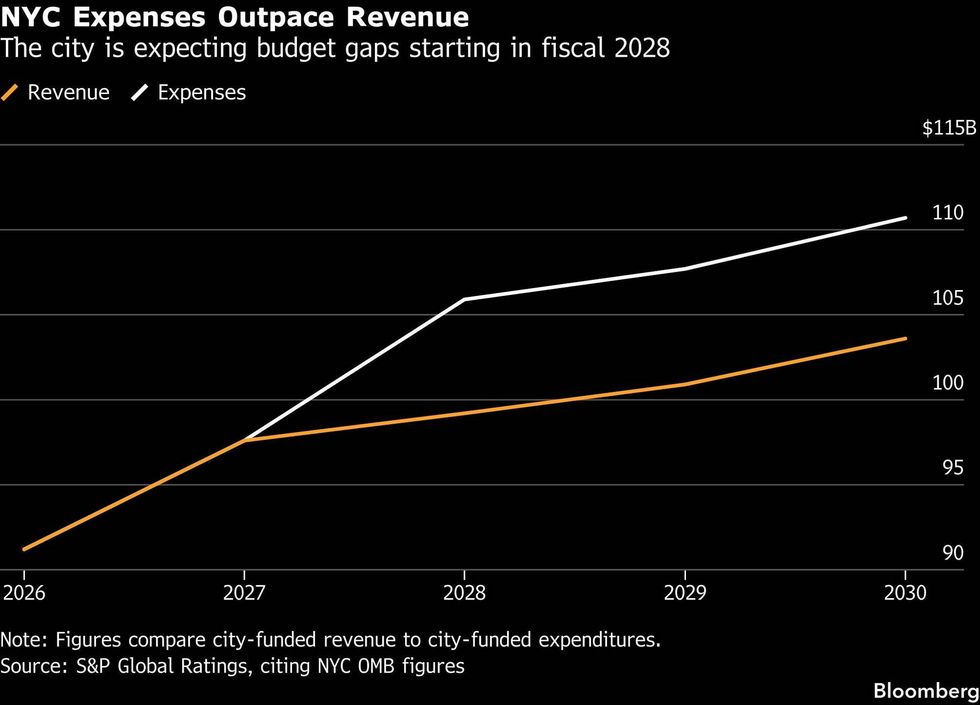 The city's five-year financial plan forecasts gaps of as much as $6.7 billion for fiscal 2028, $6.8 billion for fiscal 2029, and $7.1 billion for fiscal 2030, S&P said in its report.Bloomberg
Financial Caution
Mamdani's administration appeared to brush off the Moody's outlook change, citing the $5 billion in additional state funding the city stands to receive under proposed budgets being considered by the legislature.
"These proposals reflect a real commitment by Albany to investing in the services New Yorkers rely on and the fiscal health of our city," a spokesperson for the mayor said in a statement.
Despite the outlook change, New York City still has an Aa2 rating from Moody's, the third-highest level of investment-grade. That's higher than the firm's ratings on other large cities like Los Angeles and Chicago.
The decision by Moody's comes after Mamdani's administration in January announced what the mayor described as a historic two-year $12.6 billion city budget deficit. That was followed by a revised estimate of $5 billion due in part to drastic upward revisions in personal income tax revenue and Wall Street bonuses.
Mamdani vowed a new era of honesty in budgeting and blamed his predecessor Eric Adams's administration for the budget "crisis," which he said was fueled by the Adams administration's practice of "consistently and intentionally" understating city budget gaps, and under-budgeting for city services.
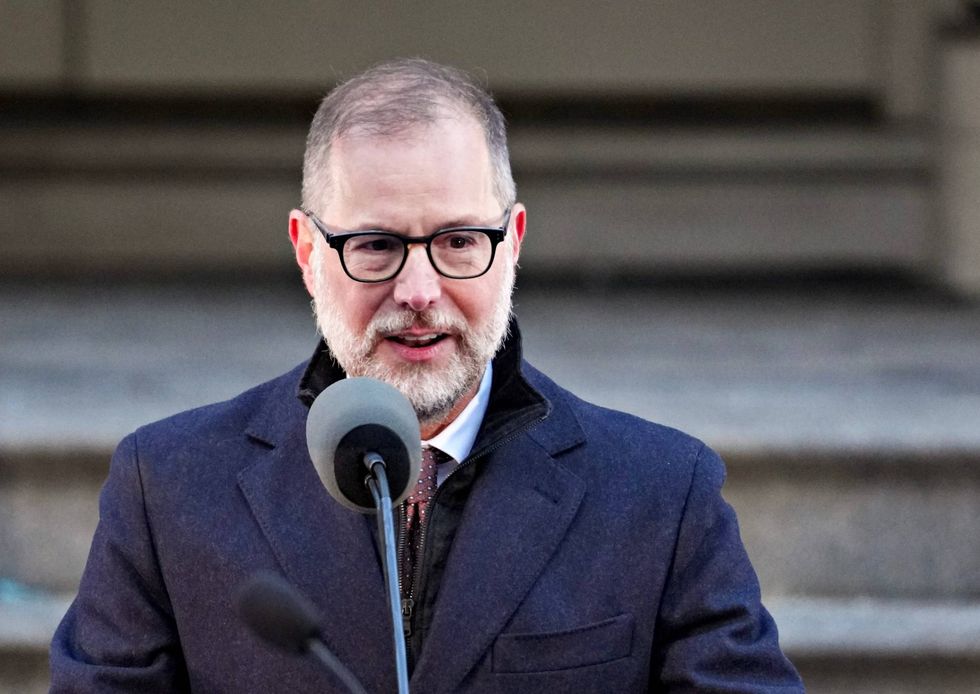 Comptroller Mark Levine put it simply on Wednesday: "New York City is spending more money than it takes in."Adam Gray/Bloomberg
Mamdani is attempting to use the size of the city's budget gap to persuade Hochul and the state legislature to enact additional personal income and corporate tax increases to close the deficit.
S&P analysts noted that the proposals floated by Mamdani — including a personal income tax surcharge on high earners and a corporate tax increase — would raise over $9 billion of revenue, according to city projections. But there are "structural and practical constraints" with those measures, given they would need state lawmakers' approval.
Raiding Savings
Comptroller Levine said the mayor's budget proposal uses optimistic revenue assumptions that may not come to fruition.
For example, the New York City Office of Management and Budget increased its forecast for tax revenue by $2.59 billion in fiscal 2026 and by $8.65 billion in fiscal 2027, compared to projections made in November, according to Levine. Those forecasts include the property-tax hike and measures in the governor's budget that haven't been enacted.
Levine also cited a slew of risks facing the city, including the war in Iran and the economic effects of workers losing jobs to AI.
Mamdani's preliminary budget proposes a 9.5% property-tax increase and would also pull $980 million from the city's rainy-day fund.
New York City Council Speaker Julie Menin and Council Member Linda Lee, who leads the council's finance committee, said in a statement Wednesday that the city "does not need to and should not" take that step. They said the move by Moody's reinforced the need for caution.
Rising Costs
Much of the city's financial pressures are due to rising costs for everything from education services to housing vouchers.
For instance, a housing voucher program known as CityFHEPS that helps with rental assistance costs is growing at a rate of 4% each month, with a projected total cost in the coming fiscal year at $2.6 billion.
"If the economy performs exactly as the mayor has projected, the plan will hold," Levine told council members. "But if revenues fall short, the city could face sudden budget gaps at a time when our reserves and fiscal flexibility have already been reduced."
The outlook change isn't a complete surprise with the change in administration and need to understand how they will try to implement their goals, said Dan Solender, director of tax-free fixed income at Lord Abbett & Co., which owns New York City debt.
"It takes time to get this done," Solender said in an email. "There is a difference between what is said in a campaign and what gets implemented, so there is some uncertainty while everyone waits to see the budget and how things get funded."