

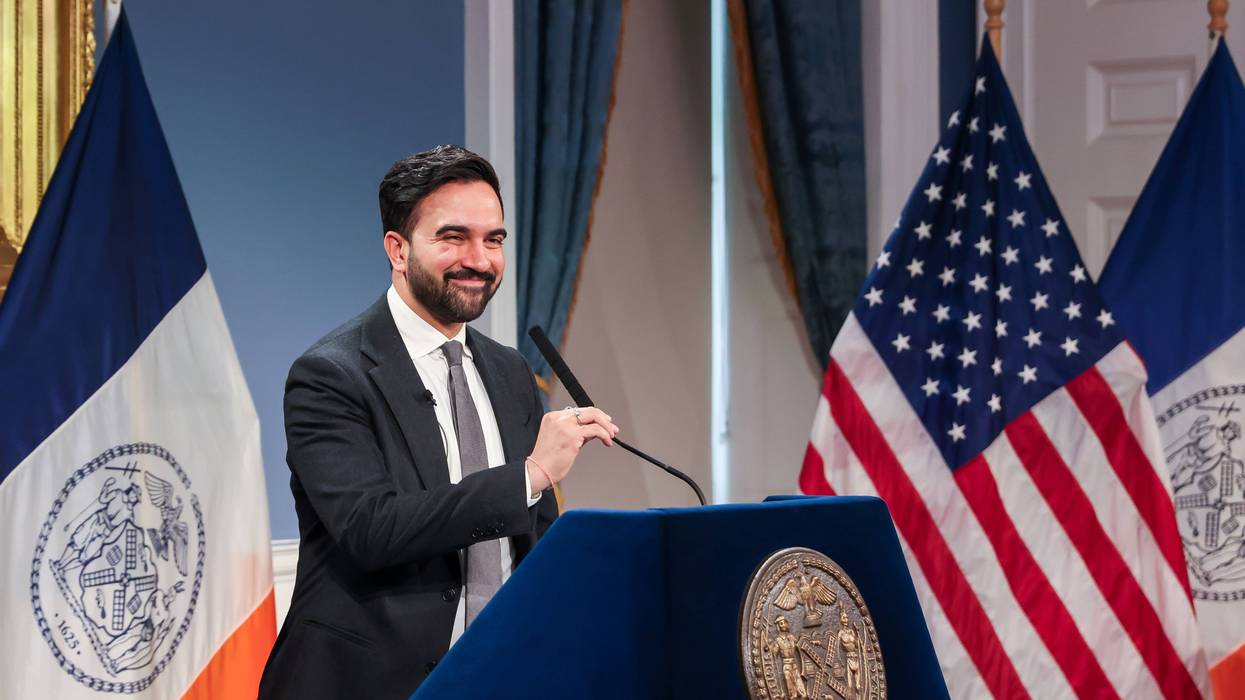

NEW YORK (BLOOMBERG) -- New York City’s Rent Guidelines Board voted to freeze rents for roughly one million stabilized apartments, handing Mayor Zohran Mamdani a major political victory and delivering on a central promise that launched him to City Hall.
The board voted 7-1 to pass the freeze, which applies to both one- and two-year leases. It is the first time that rents for longer-term rental agreements have been frozen.
Mamdani has repeatedly called for a freeze, arguing that stabilized tenants are facing rising costs for food, transportation and other necessities even as wages fail to keep pace. The vote follows months of debate over whether tenants should be shielded from soaring housing costs despite mounting financial pressures on landlords.
The freeze will apply to leases signed between Oct. 1, 2026 and Sept. 30, 2027. The last one-year rent freeze was during the pandemic in 2020.
“Tenants have rights, and we have power, but we must stick together,” said Sarah Delany, an advocate and rent stabilized tenant in the Bronx. “Mayor Mamdani kept his campaign promise, and it also shows we’ll be able to pay for regular needed daily necessities. It’s a historic moment what just happened.”
The decision makes Mamdani the first mayor since Bill de Blasio to oversee a rent freeze and marks one of the earliest and most consequential policy victories of his administration. Mamdani also reshaped the Rent Guidelines Board, appointing six new members earlier this year, creating a majority of appointees aligned with his broader housing agenda.
 Adam Gray/Bloomberg
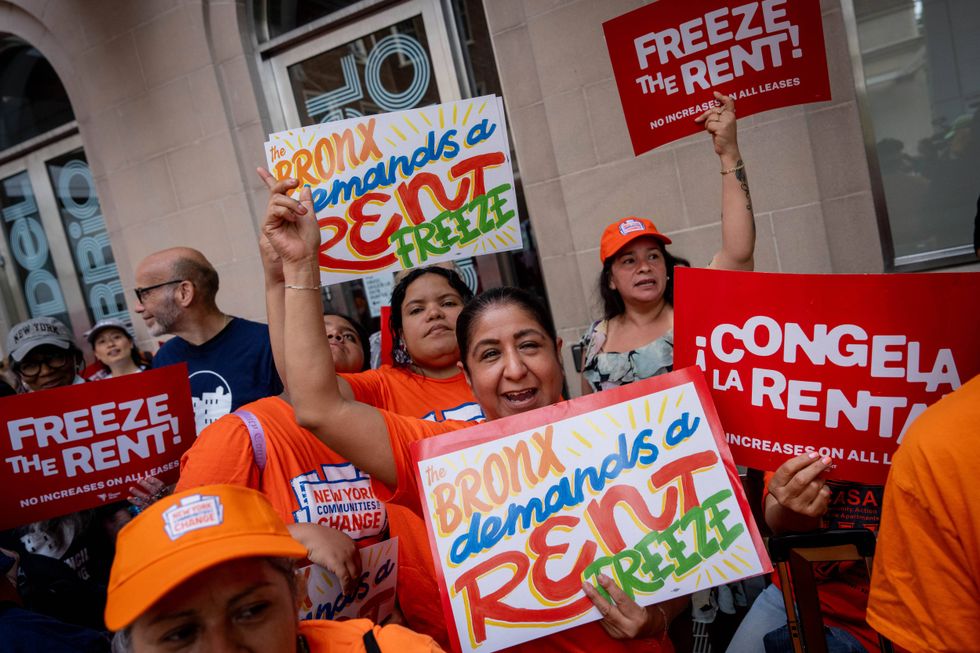
The at-capacity crowd at the venue in Harlem, El Museo del Barrio, stood and cheered when the motion passed, but the mood was jubilant even before the meeting began. Hundreds of people holding “Rent Freeze” signs lined up outside, while a live band played at the entrance and organizers handed out water and ice pops. The party atmosphere continued after the vote, with the crowd singing, “we are the tenants,” to the tune of Queen’s “We Are The Champions.”
Mamdani called the vote a historic victory for New York City tenants. “This is the relief that working people across our city deserve,” he said in a statement.
The board operates independently of the mayor and is charged with weighing economic data rather than political considerations. Landlord groups have argued that the panel has become increasingly sympathetic to tenant advocates and have vowed to look at the legal implications of that alleged bias.
A member of the board who represents landlords, Christina Smyth, resigned in protest hours before the vote. She criticized the politicization of the process and argued that owners would not be able to cover their increasing costs under a freeze.
Housing industry groups have warned that tens of thousands of regulated and subsidized apartments are already under financial strain, raising concerns that a prolonged freeze could make it more difficult for owners to maintain properties and finance repairs. Landlords say insurance, taxes and repair costs have surged, and the broader rental market is tighter.
Some housing experts said that there is economic pressure bearing down on both tenants and landlords, and that the freeze should set the stage for moves to address the issues facing building owners.
“Whether new or existing, buildings need revenues and expenses to balance, and right now the cost side of that equation is rising faster than either tenants or owners can absorb,” said Jake Krimmel, a senior economist at Realtor.com.
The Rent Guidelines Board’s decision applies only to rent-stabilized apartments. Such units account for roughly half of the city’s rental housing stock. Market-rate apartments, meanwhile, have surged. Manhattan leases were signed at a median of $4,695 in January, the third highest on record, according to a report from appraiser Miller Samuel Inc. and brokerage Douglas Elliman.
Arpit Gupta, a member of the Rent Guidelines Board appointed by former Mayor Eric Adams, said earlier this month that over 57,000 stabilized units sat vacant last year, up from roughly 49,000 in 2024. Rising expenses have been blamed for landlords warehousing apartments that become too expensive to renovate.
More stories like this are available on bloomberg.com.