

The new NFL league year begins on March 16th, meaning the Eagles are now less than one month away from officially being able to begin making moves to try to improve upon their 2021 season.
Armed with three first-round picks, the Eagles already have more draft capital to work with than any other team in the NFL. They are also nicely set up compared to the rest of the conference when it comes to the money they should have to work with — although they do not have the huge cap flexibility they have had in past years.
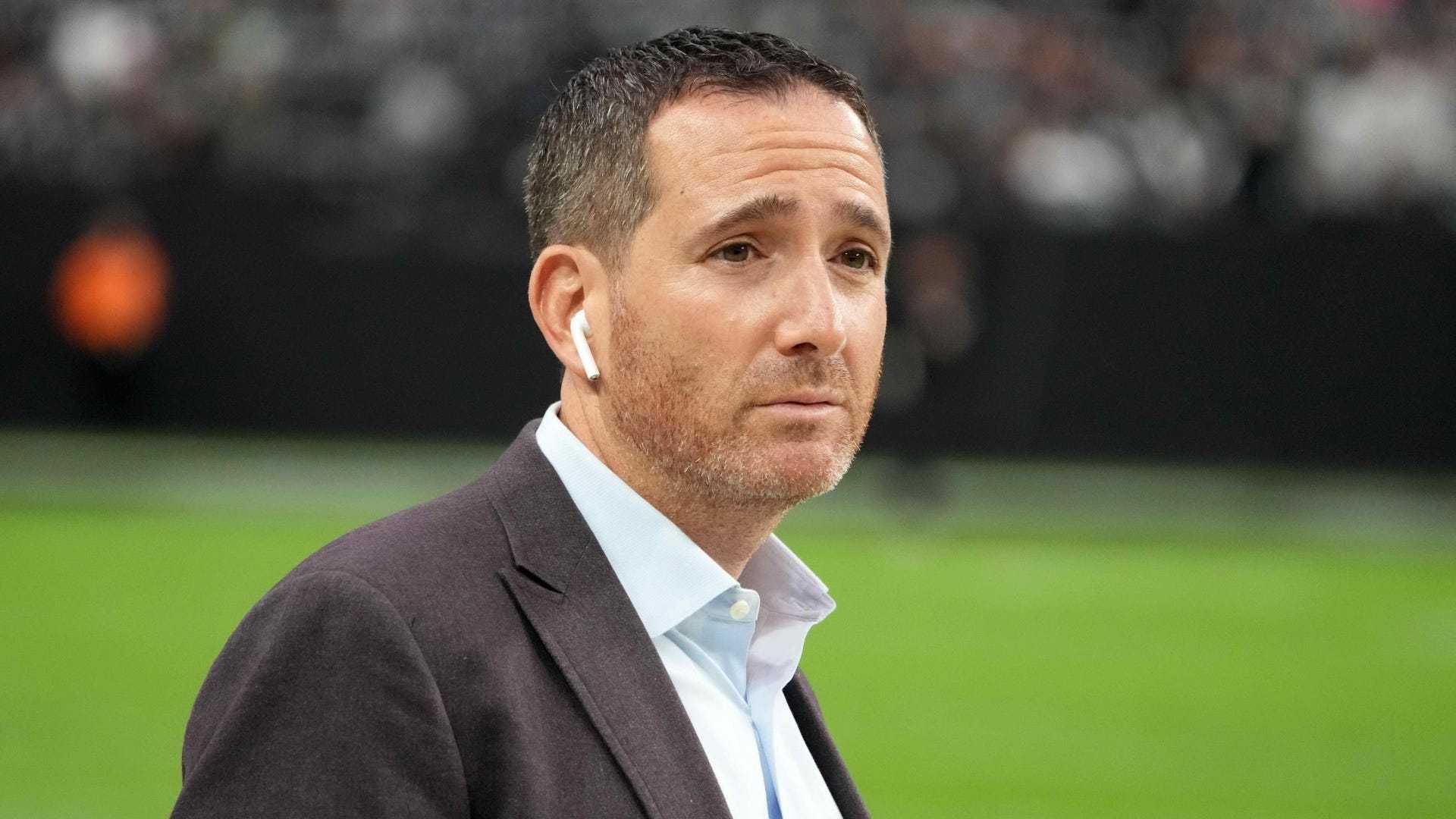
Let's take a look at where things stand for Howie Roseman and the Eagles financially heading into this crucial offseason.
The Eagles currently have $21 million in salary cap space, according to OverTheCap.com. That might not sound like much, but the $21 million in salary cap space puts them 14th in the NFL and fifth in the NFC.
Of the 13 teams ahead of them, only three were in the playoffs, and none were NFC playoff teams. In fact, of the 14 teams that did make the playoffs last season, seven are currently in the negative when it comes to salary cap space.
So while $21 million isn't a huge amount on the surface, it is actually a good number considering the rest of the league, especially compared to other playoff teams and other teams in the conference.
As is the case almost every offseason, that $21 million number is likely to change.
Unlike other offseason, however, there is no question the team doesn't have the cap flexibility they used to.
The Eagles current roster is very top heavy when it comes to salaries. Only four players under contract have a cap hit over $10 million in 2022 — Darius Slay, Javon Hagrave, Lane Johnson and Fletcher Cox. That is the lowest number of players with double-digit cap hits of any team in the division. No team in the NFC has fewer.
As a result, there are not a ton of options to create more cap space.
Most offseasons the Eagles would cut a handful of players to create significantly more cap space. This year there really aren't many, if any, options that make sense. Most players that are expendable or on the roster bubble open up little-to-no cap space. Andre Dillard and J.J. Arcega-Whiteside are possibilities, but both will likely go into camp with the team, and neither open up more than $2.1 million in cap space.
With no obvious cap casualties, the Eagles could try to open up more cap space by restructuring contracts. The best way to do that is to convert base salaries into signing bonuses, lowering the hit this year, but increasing it in future years.
One obvious option, and easily their best option, is Javon Hargrave. Hargrave has a $17 million cap hit in 2022 and a $12.75 million base salary, both second highest on the team. Entering final year of deal, giving Hargrave a new deal would make sense anyway, considering he is arguably their best defensive linemen. It would not be surprising to see the Eagles restructure an extend Hargrave's deal, lowering the base salary and opening up some more cap space. .
Another option is Darius Slay, although his age (31-years old), the Eagles might be hesitant to move his money too far into the future. With a $22 million cap hit and a $16m base salary, however, Slay has a ton of money to work with and is coming off of a Pro Bowl season.
Between the possibility of a Hargrave restructure, and other small cap-saving moves, the Eagles might be able to get as high as $28 million or so, but likely won't have much more than that to spend this offseason.
A decent portion of that could end up going to paying their three first-round picks, however. The Eagles are currently set to be giving those three rookies, if they use all three picks, around $8-9 million combined in cap hits this season. With no cap-saving moves, like a Hargrave restructure, that would drop the Eagles down to around $13 million in cap space. The potential to save cap space (around $2/3 million per pick) could sway the Eagles to trading a pick, but the savings aren't really enough to be a major factor in any trade.
The $13 million after all three rookies, however, can go a long way.
The Eagles routinely give big free-agent signings really low cap hits the first season, cutting a big signing bonus check instead of giving the free agents large base salaries. Hargrave, for example, signed a three-year deal worth $39 million in 2020. His cap hit his first season was just $3.45 million. The $13 million could impact their ability to sign players to one-year, prove-it deals (like an injured player looking to increase their value), but with a trend of adding voidable years, they could still hand out one-year deals with low cap hits.
So between the restructures, cuts and rookies, where do the Eagles stand?
They definitely have enough money to seriously compete for the majority of the free agents that could be available. They are likely priced out of the top two-or-three players (like a Devante Adams), but likely wouldn't give out that kind of money right now anyway. With Roseman and cap guru Jake Rosenberg running the cap, they should be able to put together an appealing contract offer for any free agent they have serious interest in.
You can reach Eliot Shorr-Parks on Twitter at @EliotShorrParks or email him at esp@94wip.com