


With winter weather driving people inside, Warriors Heart is speaking out about “the enemy you can’t see” – invisible wounds, including isolation, addiction, PTSD, and untreated mental health struggles that can quietly take hold after service.
“Isolation can quickly become a gateway to relapse, depression, and hopelessness,” said Warriors Heart CEO/Founder Josh Lannon.
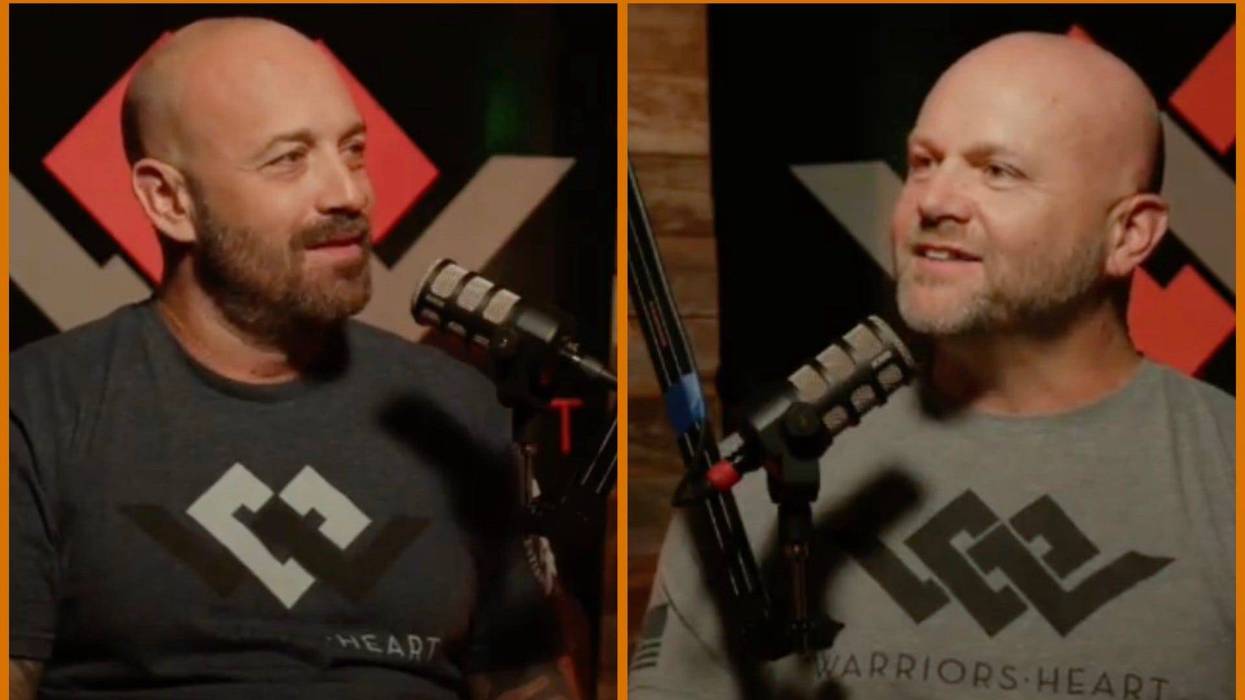
Warriors Heart is a private treatment center built exclusively for military veterans and first responders. In a recent podcast, The Enemy Within, its alumni and staff shared firsthand insights into why so many warriors struggle to ask for help and how connection and community can be lifesaving.
“For many veterans and first responders, the most dangerous fight does not happen overseas or on the job. It happens at home, behind closed doors, and often in silence,” said Army veteran and Warriors Heart President Tom Spooner.
A common thread in the conversation is the powerful sense of isolation many veterans and first responders experience after leaving active duty or high-intensity careers. The loss of structure, team environment, and shared mission can leave many feeling disconnected and reluctant to reach out, especially when they have spent their lives being the ones others rely on.
“We were always part of a team in the military or on the job,” said Warriors Heart alumnus, retired law enforcement officer, podcast host, and Warriors Heart Business Development Manager Robert Greer. “But somewhere along the way, a lot of us start believing we have to handle recovery alone. That mindset can be deadly.”
Retired Army Green Beret Shane St. John, who is a Warriors Heart alumnus and currently serves as Warriors Heart Alumni Director, agreed.
“Real courage is not just what you do in a firefight,” he said. “It is being willing to say, ‘I’m not okay’ and reach out anyway. That is the fight that saves lives.”
Warriors Heart has built an alumni program and peer-led Warriors Anonymous 12-step meetings designed to ensure warriors stay connected long after completing its 42-day on-site treatment program.
“We encourage veterans, first responders, and their families to talk openly about mental health and substance use struggles and to seek help early,” said Warriors Heart Founder Lisa Lannon. “Staying connected to a supportive community can make the difference between continued suffering and a new path forward.”
Warriors seeking help, or their loved ones, can call Warriors Heart’s 24-hour hotline: 866-955-4035 or visit here to learn more.
Reach Julia LeDoux at Julia@connectingvets.com.