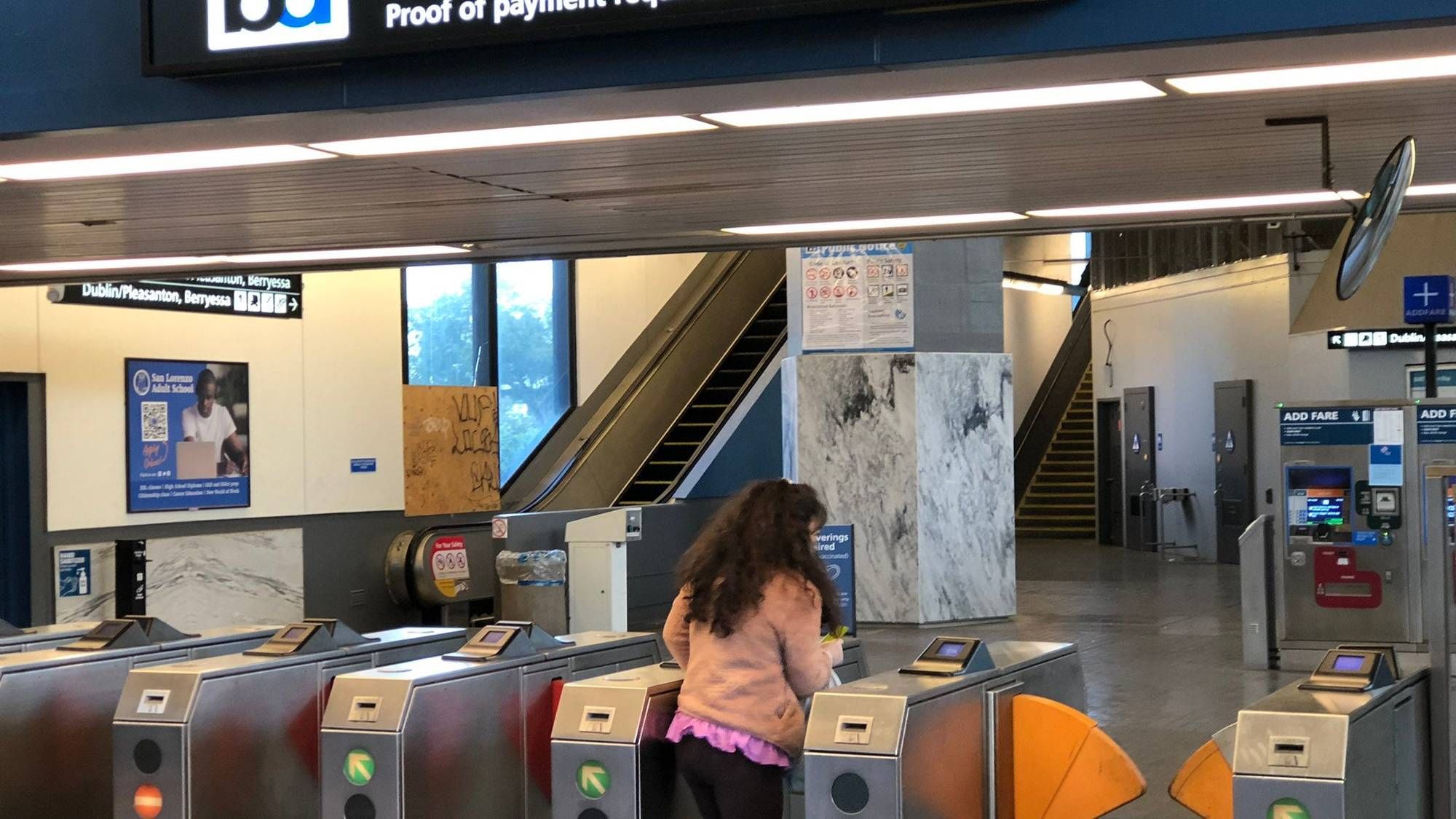



BART is getting closer to stopping fare cheats – maybe for good.
The transit agency is now testing a hybrid fare gate that prevents riders from hopping the turnstiles. Passengers riding BART without purchasing fares costs the transit agency an estimated $25 million per year.
"It’s something that really undermines the overall quality of BART’s service," BART Board Member Bevan Dufty said.
That's why they have a new $90 million plan to roll out next generation fare gates at all stations. The taller, swing style gates are currently being tested at the Richmond and Fruitvale stations.
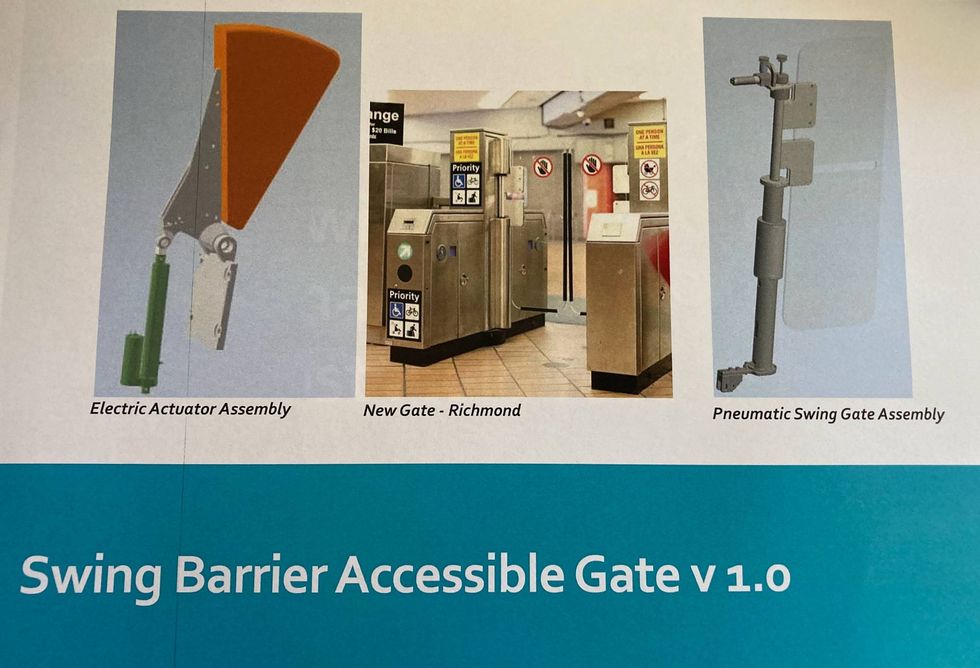 BART's prototype hybrid fare gates, designed to stop fare cheaters.Matt Bigler/KCBS Radio
Fare evasion has a very broad demographic.
Dufty recalled the story of a surgeon who was caught hopping the turnstiles once.
"When he got stopped by fare checkers, he acknowledged that he had gotten by for 20 years without paying the fare," he said. The doctor even filed a complaint against BART Police for making him late for an appointment.
New fare gates won't be arriving at all stations anytime soon. BART now estimates 3-5 years for full deployment.