


New research from UPMC indicates the COVID-19 vaccines may not be enough to protect some cancer patients.
Cancer patients were never specifically included in the original research. A new study from UPMC researchers examined blood cancer patients a few weeks after getting their full dose of vaccine.
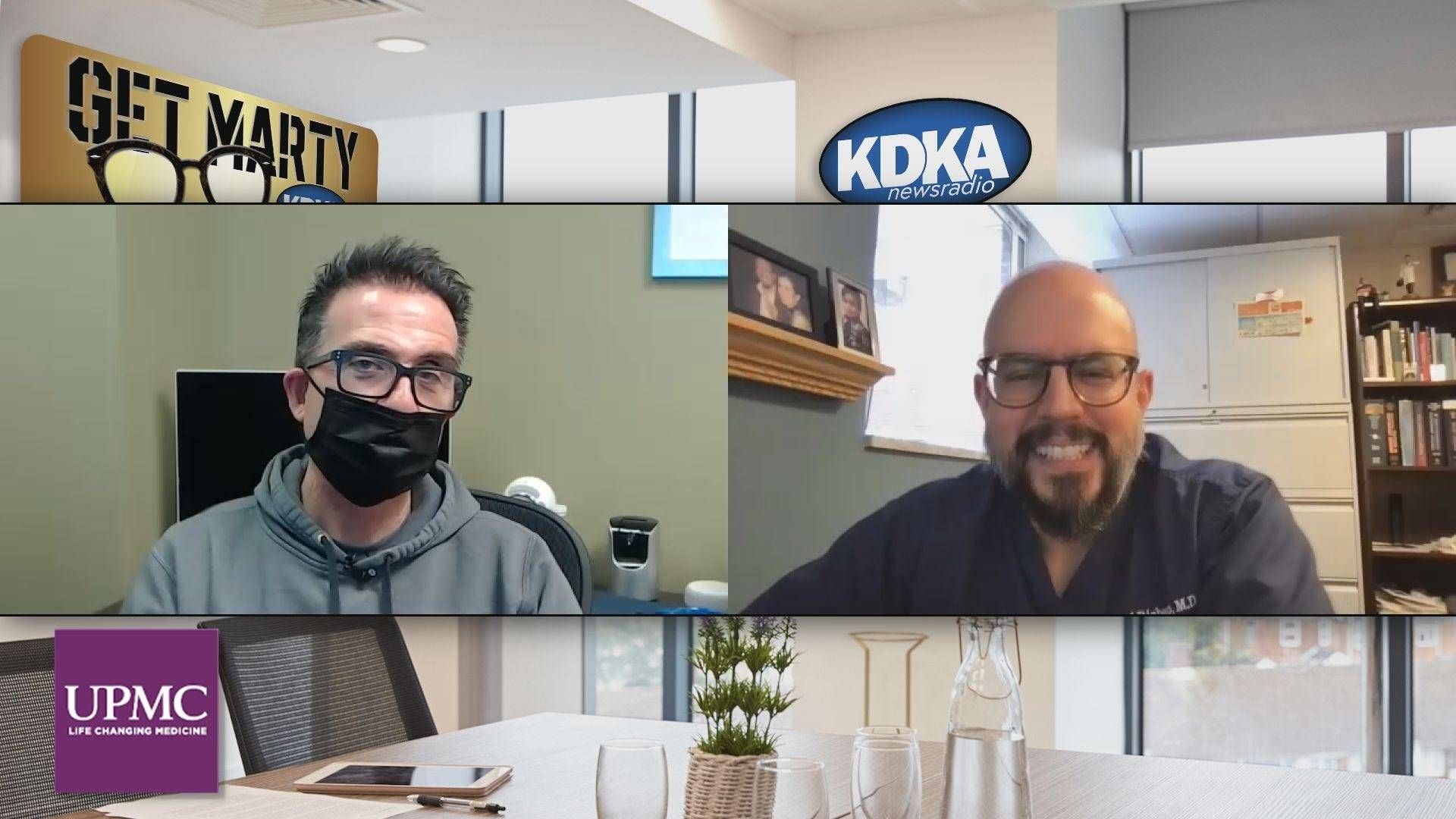
"We found that more than half, so 54%, actually produced detectible antibodies to the COVID-19 virus. That leaves the 46% who did not," said senior author Ghady Haidar, M.D., UPMC transplant infectious diseases physician and assistant professor in Pitt's Department of Infectious Diseases.
Haidar said "As we see more national guidance allowing for unmasked gatherings among vaccinated people, clinicians should counsel their immunocompromised patients about the possibility that COVID-19 vaccines may not fully protect them against SARS-CoV-2."
"Our results show that the odds of the vaccine producing an antibody response in people with hematologic malignancies are the equivalent of a coin flip," he continued.
According to the research, 46% of hematology malignancy patients did not produce antibodies.
Doctor Haider calls the results disappointing, but not surprising.
He adds that it's still recommended blood cancer patients get vaccinated, but monitor closely for symptoms.
"It's critically important for these patients to be aware of their continued risk and to seek prompt medical attention if they have COVID-19 symptoms, even after vaccination," Agha added. "They may benefit from outpatient treatments, such as monoclonal antibodies, before the illness becomes severe."
"We need to alert the world that patients with cancers may not respond to the vaccine as well as others. We need to emphasize to patients like this that you may not be fully protected, so please, please, please continue taking the usual precautions of masking and social distancing and hand hygiene," said Haider