


This story is part of a bi-weekly series that celebrates people who are reaching across a divide to "build bridges" with those different from themselves. The Sparkt Bridges series is made possible with the support of UPMC.
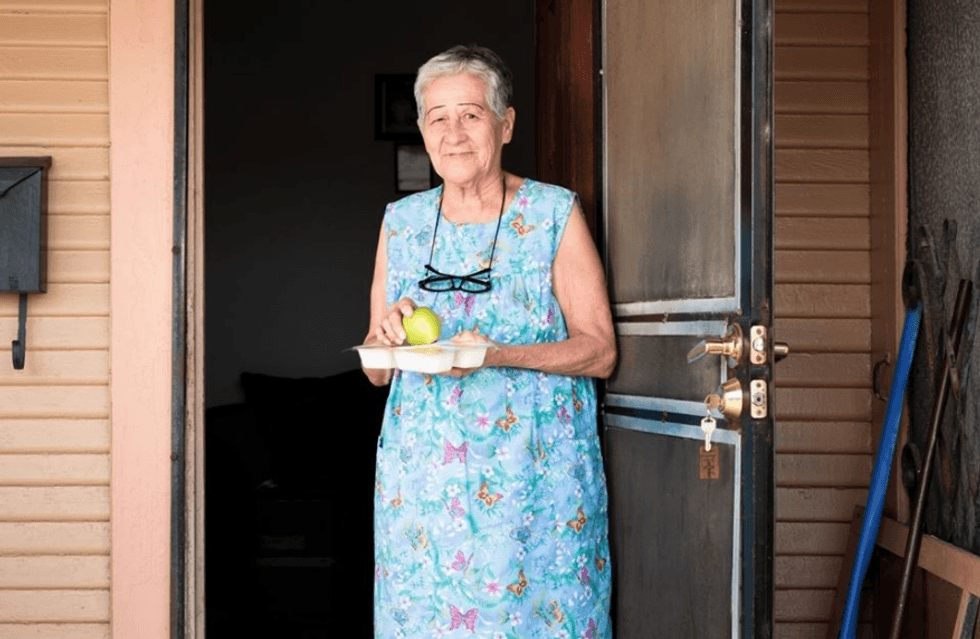 Meals on wheelsGet Marty
The coronavirus has isolated all of us, yes. But think for a minute. What if you were already isolated before the pandemic?
Millions of senior citizens in our country, your grandma, your grandpa, live alone, with no family members close by. They may not drive, can't get out to the store, and don't cook. If they're going to eat breakfast, lunch and dinner today, someone's got to make it.
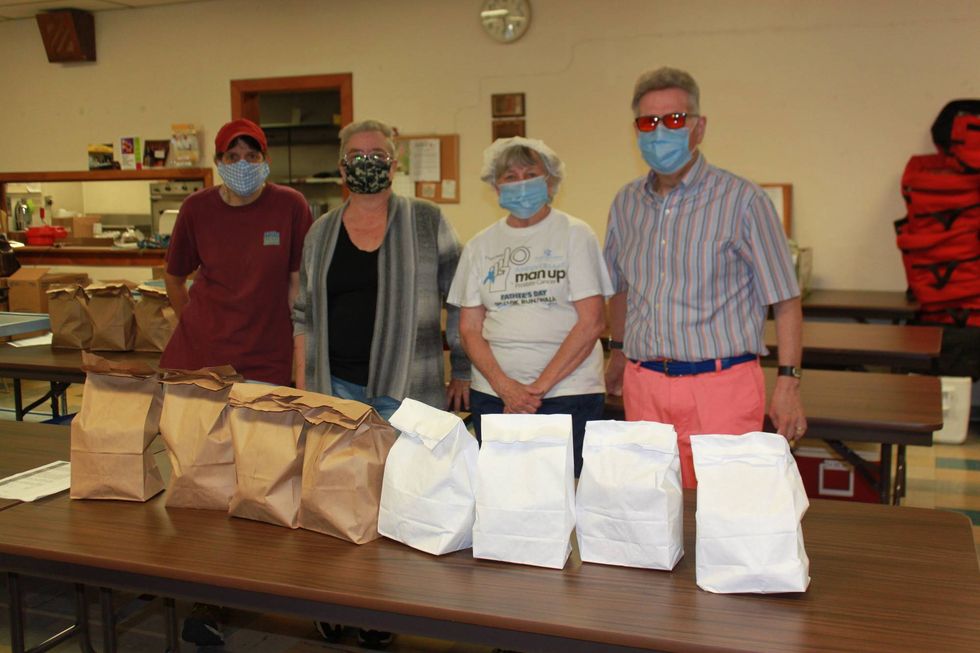 Connie Gass (left) is coordinator of the North Boros Meals On Wheels. Lois Reynolds, Bonnie Nusskern and Tom Smart are her awesome volunteers.Ge Marty
That's where an amazing army of volunteers in every community across our country come in to save the day, 365 days a year. Here's their story:
Meals on Wheels has been around for more than 50 years in the United States. The organization, its chapters and volunteers do their work quietly, with little fanfare, but boy, do they make a big impact.
Consider the statistics in the U.S
1 in 4 seniors lives alone
7 million live in poverty
5.5 million are considered food insecure
If not for Meals on Wheels, many of these folks might not eat at all today -- or see another human face.
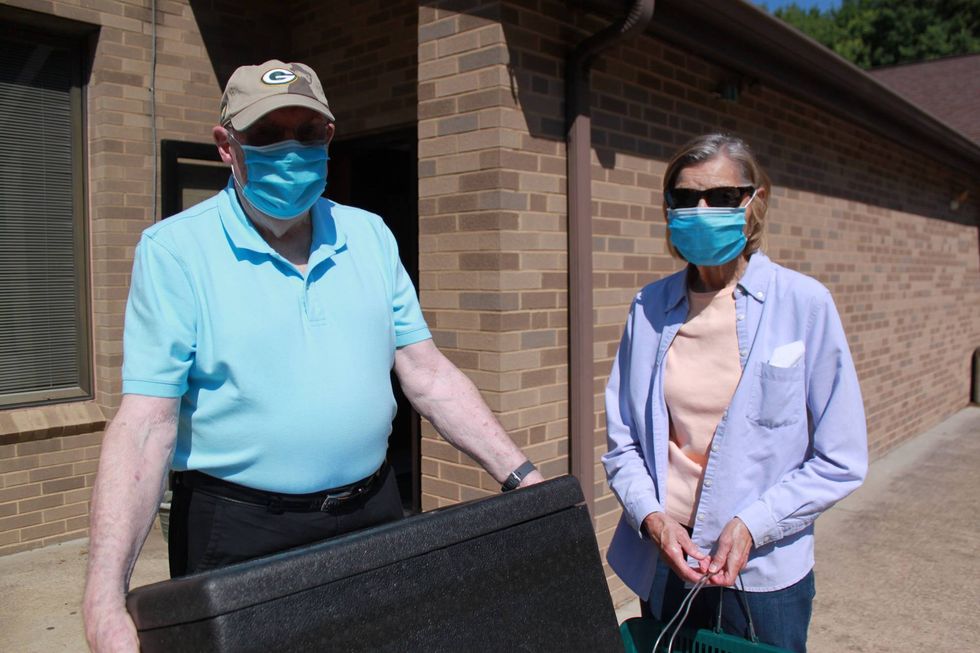 Pete and Charlotte Luedke deliver for North Country Meals on Wheels, which serves clients in northern Allegheny and southern Butler Counties outside of Pittsburgh.Get Marty
Meals on Wheels volunteers help many seniors stay healthy, and stay in their own homes. In some cases the Meals on Wheels chapters are totally volunteer-run like the ones we visited in the Pittsburgh region. Allegheny County, where Pittsburgh is located, serves thousands more with a government-run program.
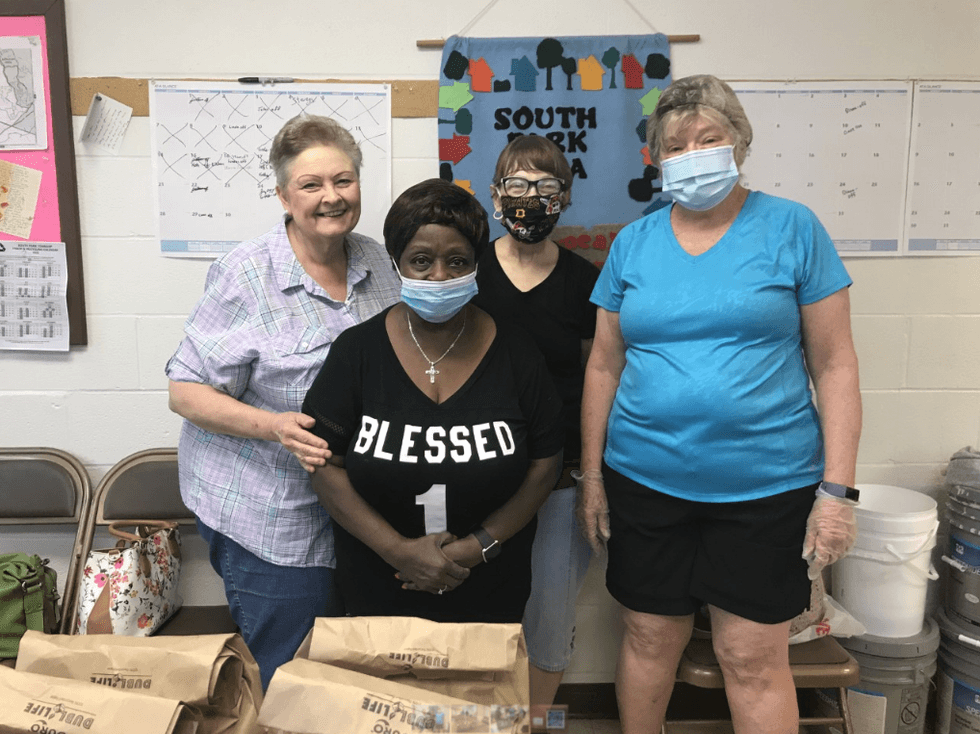 Pam Mason (L) leads 300 South Hills Meals on Wheels volunteers who serve over 100 clients, one of the largest independent programs in the area.Get Marty
The coronavirus pandemic has put on extra strain. More seniors need meals because they're afraid to leave their homes and family members can't help. Many volunteers are themselves seniors who are worried about going out in public to prepare or deliver meals. Usual food donors like restaurants or grocery stores aren't able to help as much.
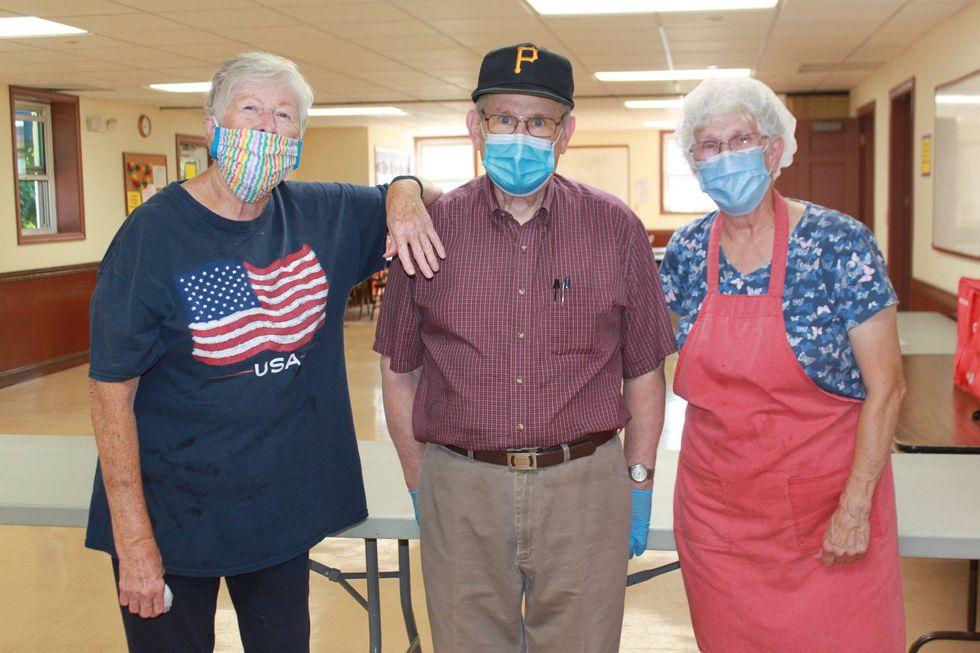 McKnight Meals on Wheels volunteers Anita Guenin, Dave Jameson and Mitzi Kopnicky.Get Marty
Yet this group is dedicated no matter what. "I love to work with the elderly," said McKnight Meals on Wheels Coordiantor Bob Montgomery, whose own parents were clients back in the day. "They can't do it for themselves. They need help. And this makes a difference.
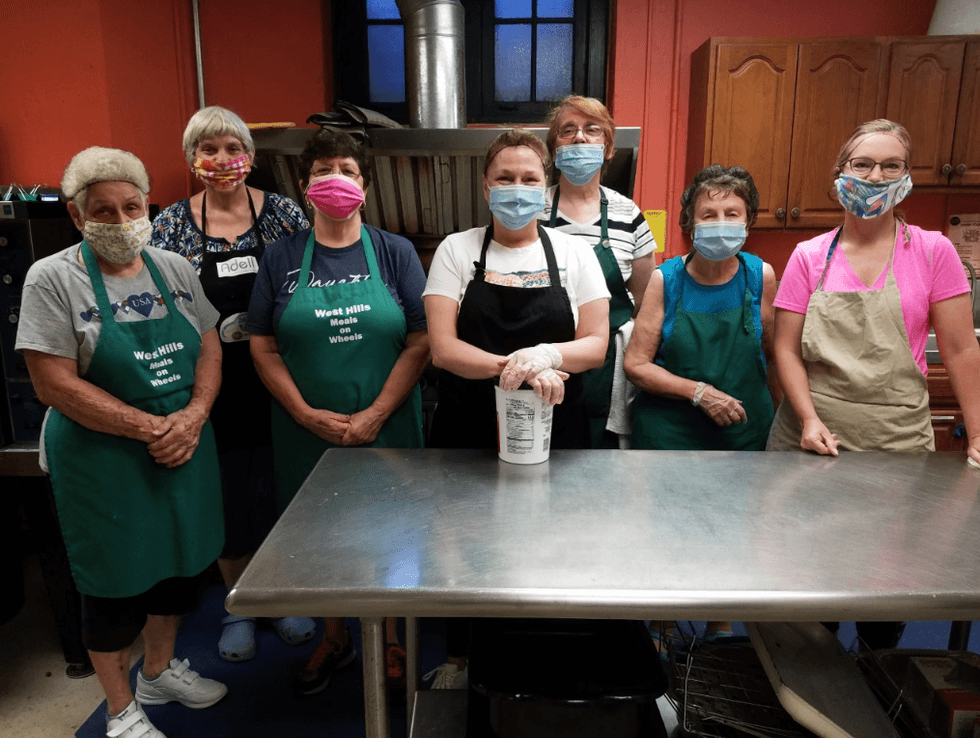 The kitchen crew at the amazing Meals on Wheels West Hills chapter!Get Marty
"I love volunteering," said Wendy Birocco a volunteer at West Hills Meals on Wheels who (don't tell anyone!) slips in a few extras for her clients in special need. "It makes my heart feel good."
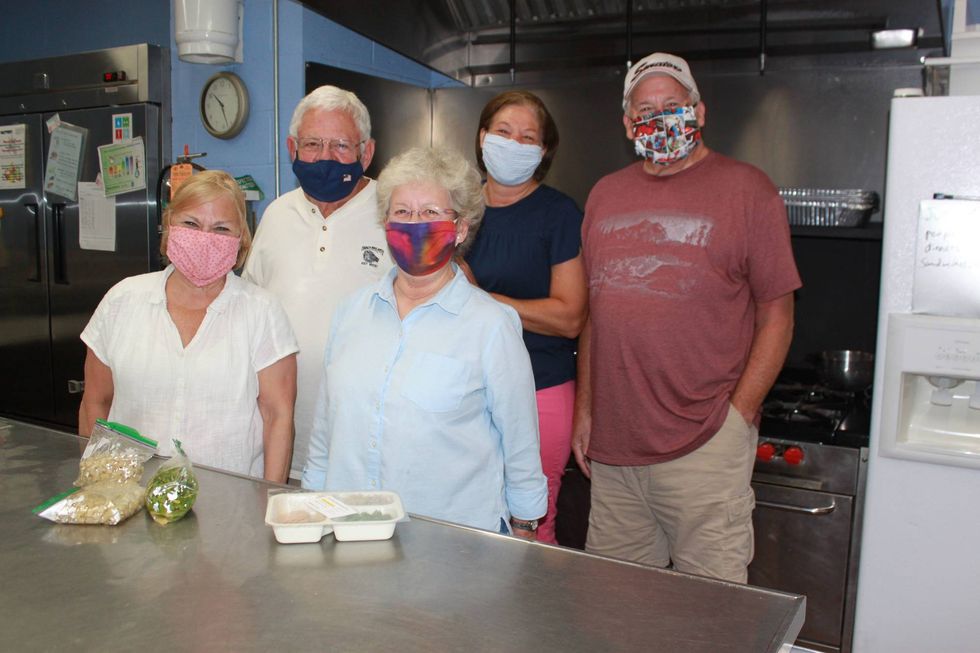 Valerie Frankel, Dave Toler, Betty Anderson, Peggy Cotugno and Mark Frankel in the ktichen at North Country Meals on Wheels.Get Marty
The Sparkt Bridges Project is produced with the generous support of UPMC. Life Changing Medicine.
How can you start something good?
Were you as inspired by these folks as we were? Then right about now you may be wondering, how can I help?
Volunteer. Every Meals on Wheels chapter needs volunteers to cook, prepare the individual meal packages, and deliver them. Schedules are flexible. Click here, plug in your address and the national organization will match you with the chapter closest to you. Delivery volunteers say, outside of the pandemic, the relationships they've forged with their clients by visiting their homes everyday are priceless.
Bake. Many Meals on Wheels chapters accept donations of home-baked cookies and cakes to make sure their clients who are allowed, have a sweet treat to brighten their day. Contact your local chapter to see if they take food donations.
Donate. Seniors who can afford it, pay a monthly fee as they're able, but donations (click here) to the organization help make sure even those who can't afford it get meals. Independent Meals on Wheels groups (those programs that aren't administered by a government aging agency) are fully self-supporting so they need our help!