

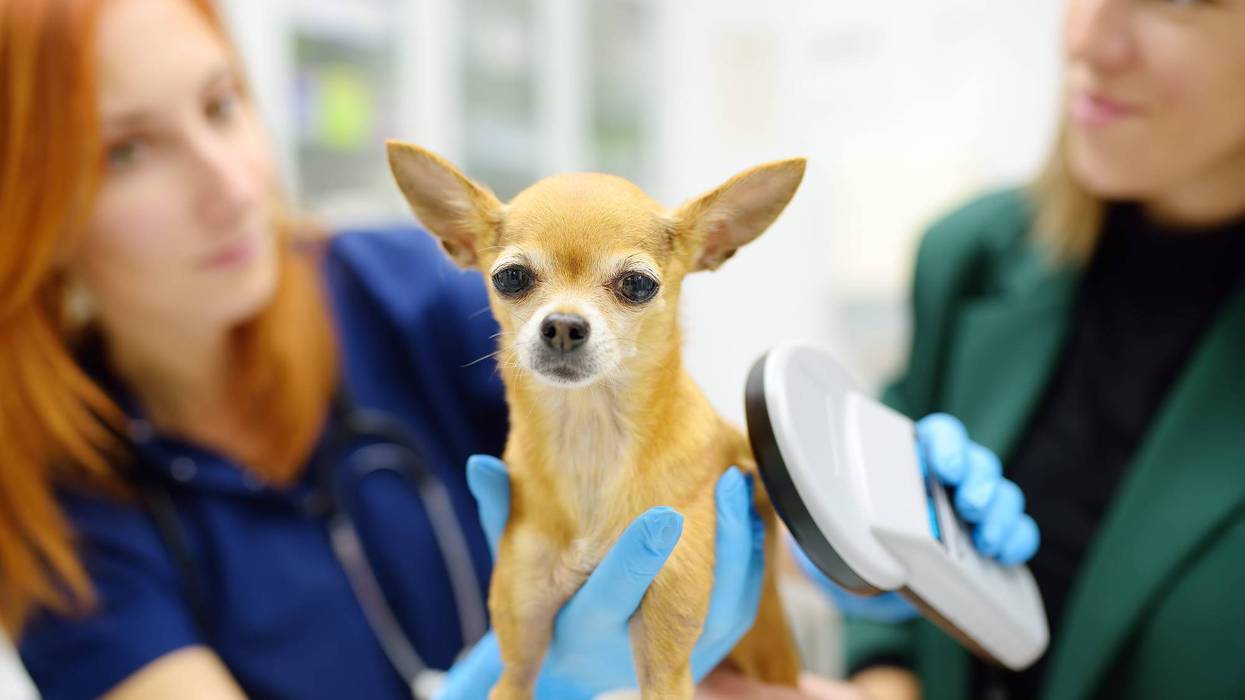

The City Council Wednesday advanced a proposal to establish a pilot program to microchip pets in Los Angeles in a bid to reduce the number of lost animals entering the city's six shelters.
In a 13-0 vote, council members instructed the Los Angeles Animal Services department to report on a proposed one-year pilot program to expand microchip education, administration and implantation. Such a report would also detail potential funding sources.
Want to get caught up on what's happening in SoCal every weekday afternoon? Click to follow The L.A. Local wherever you get podcasts.
Council members Bob Blumenfield and Ysabel Jurado were absent during the vote.
Council members Monica Rodriguez and Blumenfield introduced a motion to boost the rate of animal microchips on July 2, 2024. The motion was previously approved in February by the Arts, Parks, Libraries and Community Enrichment Committee.
Curtis Watts, assistant general manager of LAAS, previously stated that officials would need to increase staffing levels to make microchipping a requirement.
LAAS currently charges $15 to microchip pets, and uses grant funding to help cover the fee for residents who can't afford it. Animals adopted from city shelters are registered and microchipped before they leave the shelter.
According to data from Michelson Found Animals, there are approximately 2.4 million pets in Los Angeles households. An estimated 25% of these pets are microchipped, roughly 600,000.
Microchipping most pets in the city would cost approximately $5.4 million, according to a report from LAAS. That figure does not include other related costs for staffing, administration or a citywide mandatory microchipping program.
Under Los Angeles County rules, dogs and cats four months or older must be implanted with a microchip. A pet owner must provide the microchip number to the county's Department of Animal Care and Control.
Any changes of pet ownership must be communicated to the county's department as well with the new address and telephone number.
The county hosts bi-weekly vaccination clinics at its six regional Animal Care Centers, where microchips can be bought for $7.50, not including registration.
Despite the policy, the county's return-to-home rate stands at only 11%.
Dallas has a similar policy, with microchipping replacing the requirement for animal registration/pet licensing.
In Washoe County, Nevada, which includes Reno, officials spent $8,100 during the 2023 fiscal year on microchips, according to LAAS' report. Data show that the up-front expenditures on microchips were recovered by reducing intake and length of stay for pets arriving at shelters.
Washoe County's return-to-home rate for dogs stood at 67% that year as a result of field officers returning animals directly to their homes after scanning for microchips, officials said.
LAAS officials recommended that if the city were to implement a microchip policy, the program should "avoid punitive measures."
"If the city of Los Angeles were to implement such a program, the microchips must be both affordable and widely accessible, with staff trained to implant them," according to an LAAS report.
Follow KNX News 97.1 FM