

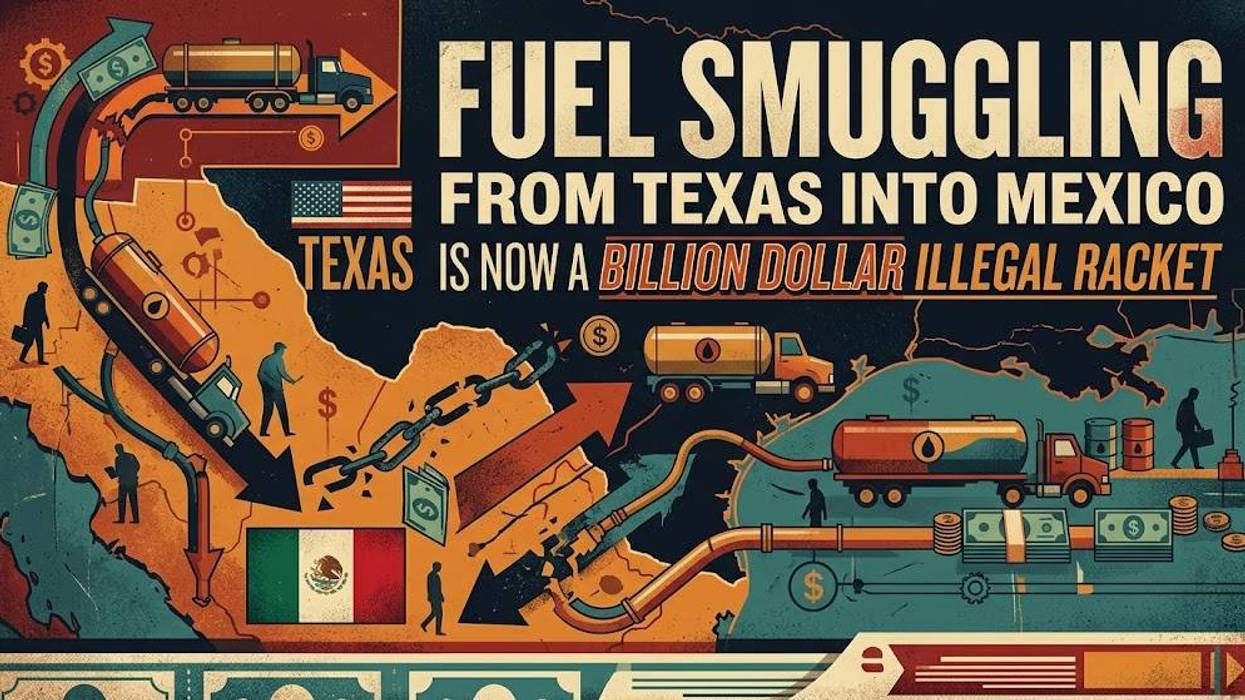

Fuel trafficking—known as "black gold" or huachicol—has rapidly evolved into one of the most lucrative criminal enterprises along the U.S.–Mexico border. Testifying before a Texas Senate Committee, DPS Colonel Freeman Martin detailed how cartel-backed operations generate between $12 billion and $21 billion annually through cross-border fuel smuggling. Law enforcement officials note that for many cartels, fuel has rivaled or even surpassed traditional narcotics as their top revenue generator.
The Playbook: How the Scheme Works
What makes fuel trafficking so difficult to catch is that the operation begins entirely within the bounds of legal trade:
- Legal Purchase: Empty Mexican fuel trucks cross into Texas, purchasing tax-free diesel or gasoline designated for export from legitimate maritime terminals.
- Permitting Exploitation: Carriers purchase online overweight permits—such as those issued through Port Authorities like Brownsville or Harlingen—allowing them to haul up to 125,000 lbs on designated border corridors.
- Criminal Diversion: Once on the road, trucks deviate from authorized routes to clandestine fuel sites. Operators dilute high-octane fuel with lower-grade products, significantly overload the tankers, or transfer fuel into unrated containers like water totes concealed inside everyday box trucks.
- Border Re-Entry: Drivers mislabel hazardous material placards (e.g., swapping a diesel tag for propane) or bribe customs officials and cartel plaza bosses to re-enter Mexico, where fuel commands prices two to three times higher than in the U.S..
Severe Risks and Enforcement Obstacles
The operation poses severe public safety, financial, and regulatory challenges:
| Impact Area | Specific Threats & Challenges |
| Public Safety | Unregulated clandestine sites operate near residential neighborhoods and school districts. Lack of safety standards frequently leads to catastrophic fires and explosions. |
| Cartel Power | Proceeds fund organized crime, wash illicit funds, and entrench corruption. Financial intelligence reveals U.S. banks flagged over $7 billion in suspicious cartel-related fuel transactions over just 14 months. |
| Law Enforcement Hurdles | Criminal groups deploy scouts to track law enforcement patrols, park decoy trucks to block surveillance, and set up rapid pop-up operations. If a shell company is cited, operators simply form a new LLC and re-brand the truck. |
Texas authorities are shifting strategies from simple traffic enforcement to treating fuel smuggling as complex organized crime, coordinating directly with border prosecution units to dismantle the financial and logistical networks driving the trade.
Fuel could replace drugs as top cartel currency
Fuel could replace drugs as top cartel currency