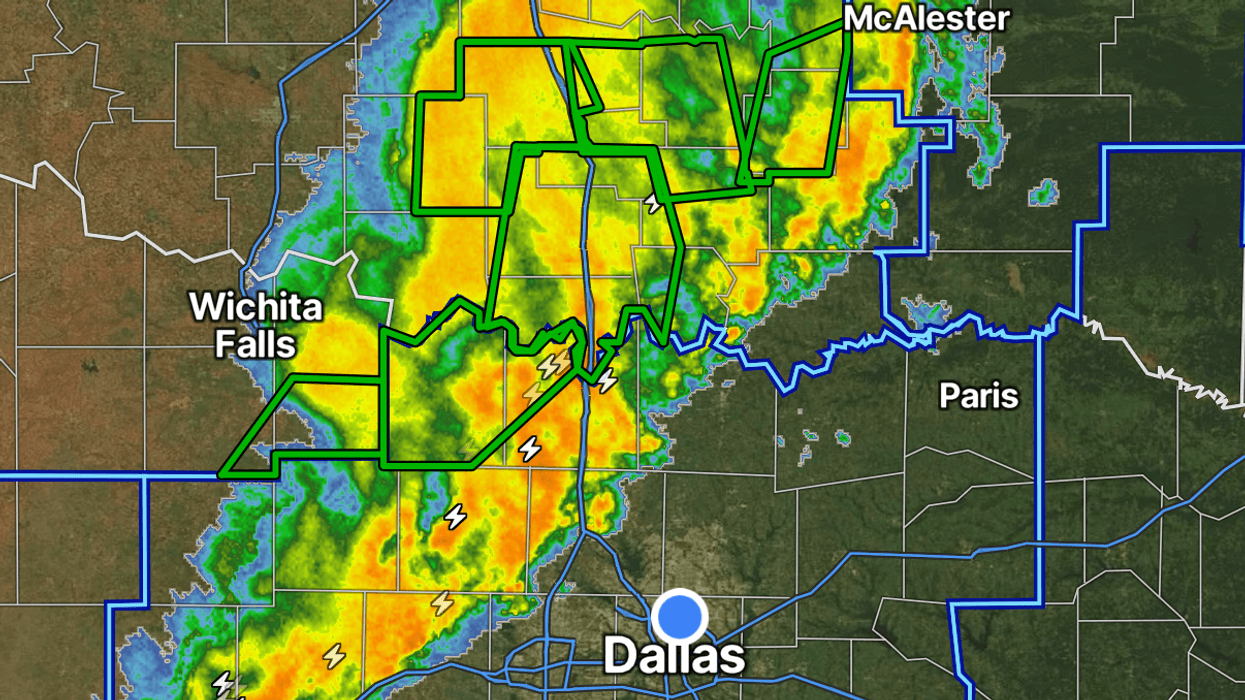



As North Texas braces for another round of winter weather, the focus right now is on staying safe and getting through the storm. But once the snow, ice and freezing temperatures arrive, what you do before, during and after the storm can make a major difference if you end up needing to file an insurance claim.
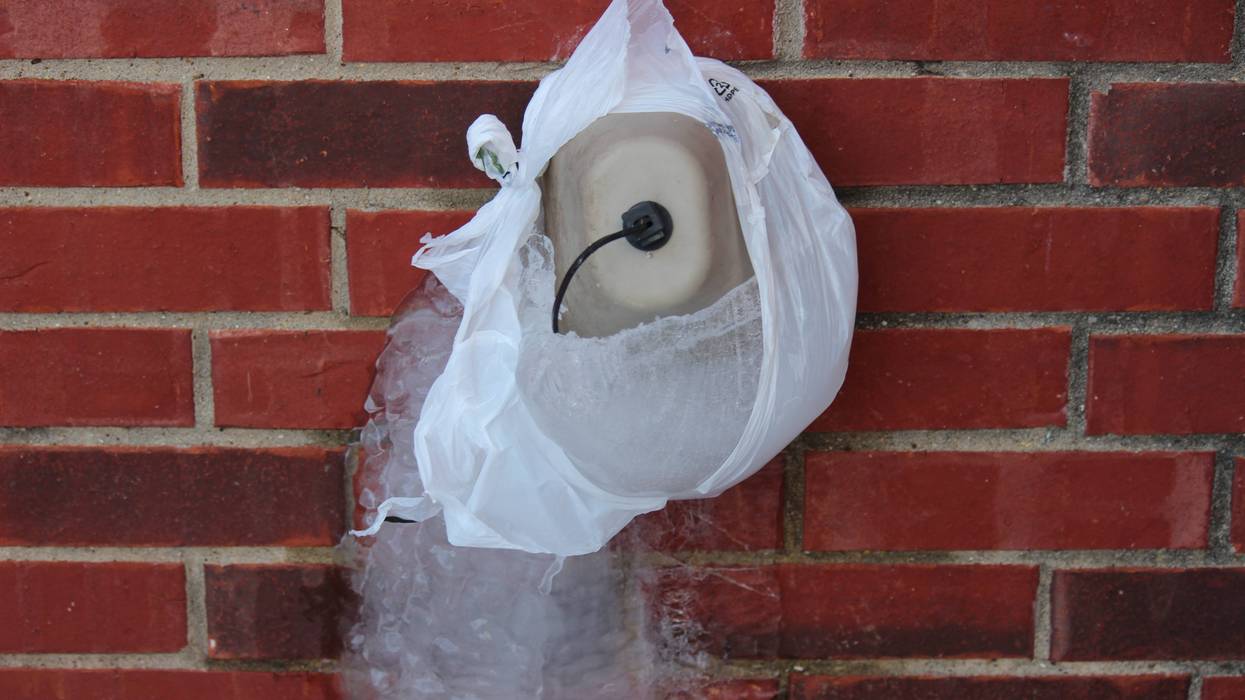
From burst pipes and roof damage to fallen trees and power-related losses, winter storms can leave behind costly surprises. Here's how experts recommend preparing now, and how to protect yourself if damage occurs.
Before the storm hits: document what you already have
The most important step happens before the first drop in temperature.
Take photos or video of your home, both inside and out. Walk room to room with your phone and capture walls, ceilings, floors, appliances and valuables. Outside, document your roof, fences, trees, vehicles, sheds and any existing cracks or wear.
This doesn't need to be fancy. A slow, narrated phone video is often enough. The goal is to establish a clear record of the condition of your property before the storm arrives.
If you have receipts or records for major purchases, store digital copies somewhere safe, such as cloud storage or email. If power or internet service is disrupted later, having access to these records can save time and stress.
During the storm: document safely, not dangerously
If damage begins while the storm is ongoing, safety comes first.
Only document damage if it can be done safely. Do not climb on icy roofs, step near downed power lines or enter flooded areas. Instead, take photos or video from a distance or through windows when possible.
If you notice active damage, such as water leaking from a ceiling or a pipe that has burst, record short videos showing the problem in real time. These can be especially helpful for insurance adjusters later.
Keep notes on when you first noticed the damage and what conditions were happening at the time, such as freezing temperatures or power outages.
After the storm: capture everything before repairs
Once conditions improve, document all damage thoroughly before making permanent repairs.
Take wide shots that show the overall damage, followed by close-ups that highlight details. Include photos that show where the damage is located in relation to the rest of your home.
If emergency repairs are needed to prevent further damage, such as covering a roof or shutting off water, document the issue first, then keep receipts for any temporary fixes. Most insurance policies allow emergency mitigation, but documentation is critical.
Avoid throwing away damaged items until your insurer has advised you to do so, or until they have been fully documented.
Filing your claim: stay organized and proactive
Contact your insurance company as soon as it is safe to do so. Many insurers experience high call volumes after major storms, so early reporting can help speed the process.
Provide photos, videos, dates, and a clear description of what happened. Keep a simple log of every interaction, including dates, times and names of representatives you speak with.
If an adjuster visits your home, walk through the damage together and reference your documentation. Having clear before-and-after images can help avoid disputes over what was storm-related versus preexisting.
A final reminder
Winter storms can be unpredictable, and damage isn't always obvious right away. Continue monitoring your home in the days after the storm for delayed issues such as slow leaks, ceiling stains or cracked pipes.
Taking a few minutes now to document your home and understand the claims process can make a stressful situation far easier to manage later.
As always, stay safe, stay weather aware, and stay connected with KRLD for the latest updates as the storm approaches.
LISTEN on the Audacy App
Tell your Smart Speaker to "PLAY 1080 KRLD"
Sign Up to receive our KRLD Insider Newsletter for more news
Follow us on Facebook | Twitter | Instagram | YouTube