


With severe winter weather headed toward North Texas, many Texans are asking the same uneasy question they asked four years ago: Could this turn into another 2021?
The short answer is that not all power outages are the same, and what's being discussed ahead of this weekend is very different from the grid-wide crisis Texans experienced during the February 2021 deep freeze.
Here's how to understand the difference.
What people mean when they say "blackout"
When Texans reference the 2021 disaster, they're usually talking about system-wide blackouts, when the electric grid itself is under such extreme stress that operators are forced to cut power to large areas to prevent total collapse.
In February 2021, electricity demand surged while power supply collapsed. Generators froze, fuel supplies failed, and the grid came dangerously close to a catastrophic failure that could have taken weeks to repair. To avoid that outcome, grid operators ordered large-scale, controlled outages that left millions without power for hours or days.
That kind of event is rare and severe. It requires a breakdown across multiple parts of the system at once.
What weather-related outages look like
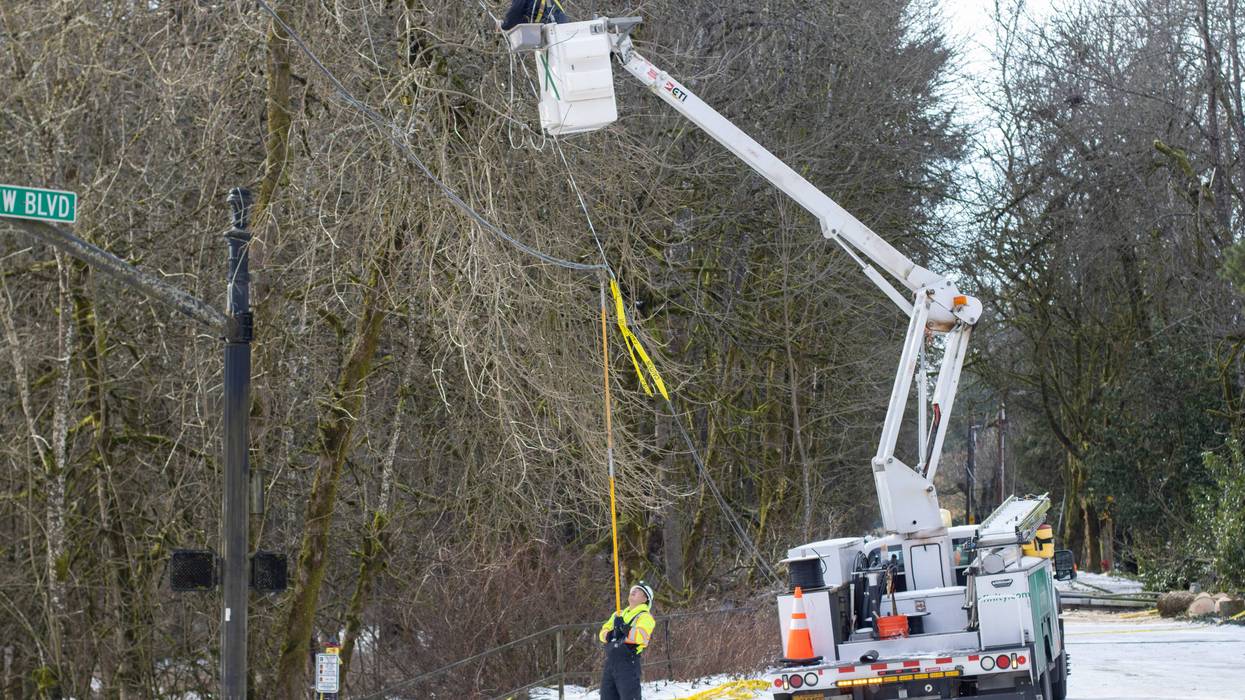
The more common winter risk, even during severe weather, is localized power outages.
These happen when:
❄️ Ice weighs down power lines or snaps tree limbs onto equipment
❄️ Freezing rain damages transformers or substations
❄️ High winds knock out neighborhood infrastructure
❄️ Crews cannot safely access damaged lines due to road conditions
In these cases, the grid itself may still be functioning, but individual neighborhoods lose power because physical equipment is damaged. Restoration depends on weather conditions, access, and repair crews, not overall electricity supply.
That's the same type of outage North Texans see during severe thunderstorms, ice storms, or high-wind events.
Why officials say this weekend is different from 2021
Ahead of the current winter threat, Electric Reliability Council of Texas, known as ERCOT, has said it expects sufficient power generation to meet demand, even with colder temperatures.
That assessment is based on:
❄️ Improved winterization requirements since 2021
❄️ Power plants reporting expected availability
❄️ Forecasted demand that, while elevated, is not projected to exceed supply
In other words, officials are not warning of a system-wide shortage that would force controlled outages to protect the grid.
That does not mean outages are impossible. It means any outages are more likely to be weather-driven and localized, not the result of grid failure.
Why the 2021 memory still matters
The trauma of 2021 changed how Texans hear weather forecasts. Any mention of freezing temperatures now triggers real concern, especially for families who went days without heat, water, or information.
Grid operators and state leaders say lessons from that storm led to:
❄️ Stronger weatherization rules
❄️ Better coordination between power and fuel suppliers
❄️ More tools to manage demand during emergencies
But experts also stress that no grid can be completely outage-proof during extreme weather, especially when ice and wind physically damage equipment.
What North Texans should prepare for now
The most practical approach is to plan for short-term, localized outages, not extended grid failure.
That means:
❄️ Charging devices ahead of the storm
❄️ Having flashlights and batteries ready
❄️ Knowing how to safely stay warm if power is lost
❄️ Avoiding unnecessary travel during icy conditions
If outages occur, restoration timelines will likely depend on how quickly crews can safely reach damaged areas once conditions improve.
Bottom line
A blackout is a grid emergency tied to supply and demand.
A weather-related outage is physical damage caused by ice, wind, or freezing rain.
Right now, officials are warning about the weather, not the grid.
As conditions evolve, KRLD will continue tracking both the forecast and the power situation, bringing updates as they happen so North Texans can make informed decisions during the cold.