


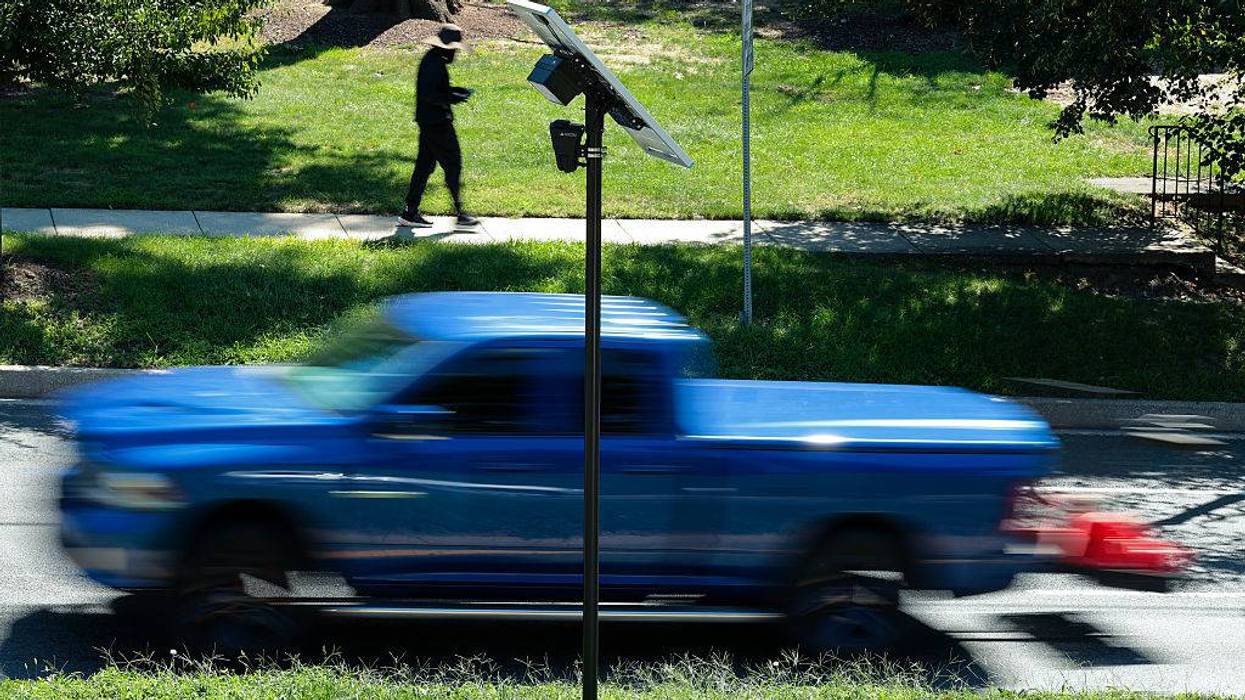

Several Texas lawmakers have filed bills that would limit or ban the use of automated license plate readers, including cameras made by Flock Safety, when the Legislature convenes in January. The proposals range from a full statewide prohibition on government use of the technology to new requirements for warrants and strict limits on how long data can be kept.
House Bill 331, filed by state Rep. John Bucy, would bar government entities across Texas from using automated license plate readers. The ban would apply to the technology itself, regardless of which company provides it. Two other measures take a narrower approach. House Bill 847 by Rep. Brian Harrison would require law enforcement to obtain a warrant or court order before using the cameras and would limit the data to investigations of certain violent crimes. House Bill 763 by Rep. Mary González would restrict sharing of the data with federal agencies and generally require most records to be deleted within 48 hours.
Automated license plate readers scan vehicles as they pass, recording license plate numbers along with details such as vehicle color and other identifying features. Police departments and other agencies have used the systems to help locate stolen vehicles, find missing people, and investigate crimes. Critics have raised privacy concerns about the volume of data collected and how long it is stored or shared.
More than 3,200 Flock cameras have been installed across Texas in recent years, with a significant portion of the funding coming from a $1 fee added to auto insurance policies, according to the Texas Tribune. The fee was originally approved to combat catalytic converter theft. State officials have already taken some steps to limit public funding for the cameras. Texas Comptroller Don Huffines announced that state grant money administered by his office can no longer be used to purchase or contract for Flock cameras or similar systems. Gov. Greg Abbott has also directed a pause on certain state funding for the technology.
The bills are among the first measures filed for the 90th legislative session, which begins January 12. Any of the proposals would need to pass both the House and Senate and receive the governor’s signature to become law. Local governments currently set many of their own rules for the cameras in the absence of a statewide statute.
LISTEN on the Audacy App
Tell your Smart Speaker to "PLAY 1080 KRLD"
Sign Up to receive our KRLD Insider Newsletter for more news
Follow us on Facebook | Twitter | Instagram | YouTube