

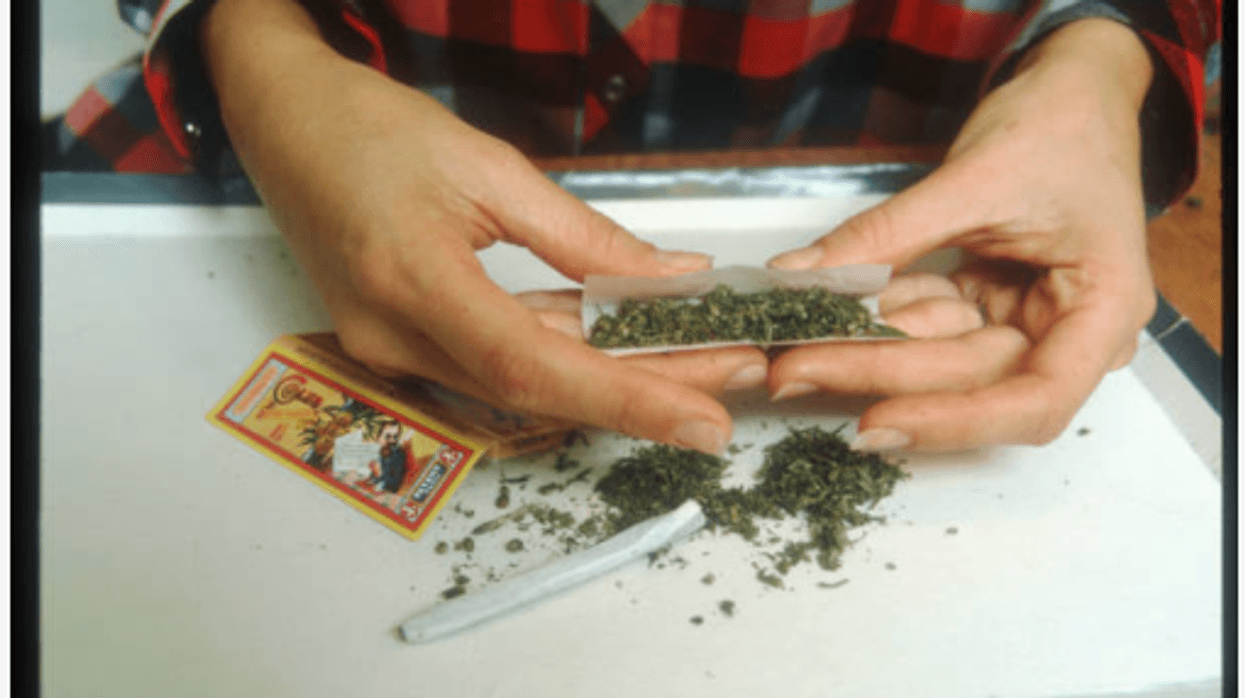

Texas Democratic lawmakers filed three bills Monday that would legalize recreational cannabis for adults 21 and older, allow limited home growing and set up a regulated sales system that could begin in 2027.
State Reps. John Bucy III of Austin and Joe Moody of El Paso introduced nearly identical measures, House Bill 362 and House Bill 369, both called the Texas Regulation of Cannabis Act. Sen. Carol Alvarado of Houston filed Senate Bill 237 with a similar focus on regulating cultivation, sales, testing and possession. The bills were submitted Nov. 9, the opening day of prefiling for the 90th Texas Legislature, which starts Jan. 12, 2027.
Under the House proposals, adults could possess and transport up to 2 ounces of cannabis, with no more than 15 grams as concentrate, and share the same amount with another adult without payment as long as the transfer is not publicly advertised. Residents could grow up to 12 plants at a private residence in a locked, enclosed area not visible from a public place. They could keep the harvest from those plants plus up to 10 ounces of purchased cannabis, with any amount over 2 ounces stored under lock.
The Texas Department of Licensing and Regulation would handle licensing for growers, retail cannabis establishments, secure transporters and testing labs. The bills would place a 20 percent tax on retail sales to consumers on top of existing state sales taxes and a 15 percent tax on sales from growers to retailers. Revenue would be split, with half going to the Permanent School Fund, 25 percent to veterans’ assistance programs, 15 percent to substance-abuse prevention and treatment, and 10 percent to help cities and counties cover oversight costs.
Local governments could set operating hours, locations and the number of businesses, but they could not ban or unreasonably restrict licensed operations. Public consumption would stay prohibited in most places, including in vehicles on public roads and near schools. Driving while intoxicated would remain illegal.
If passed and signed, the measures would take effect Sept. 1, 2027. Regulators would have until July 1, 2028, to finish rules, and commercial licensing would start by Nov. 1, 2028.
Recreational cannabis is still illegal in Texas. Possession of less than 2 ounces is a Class B misdemeanor. The state runs a limited medical program through the Texas Compassionate Use Program, which lawmakers expanded in 2025 to cover more conditions and allow additional delivery methods. Separate debates continue over rules for intoxicating hemp products, which face ongoing regulatory and legal questions.
The filings follow the 2026 midterm elections, in which Democrats gained control of the Texas House and the governor’s office while Republicans kept a Senate majority. The Texas Tribune noted the early Democratic proposals, including cannabis legalization, as lawmakers start work on the 2027 session agenda.