


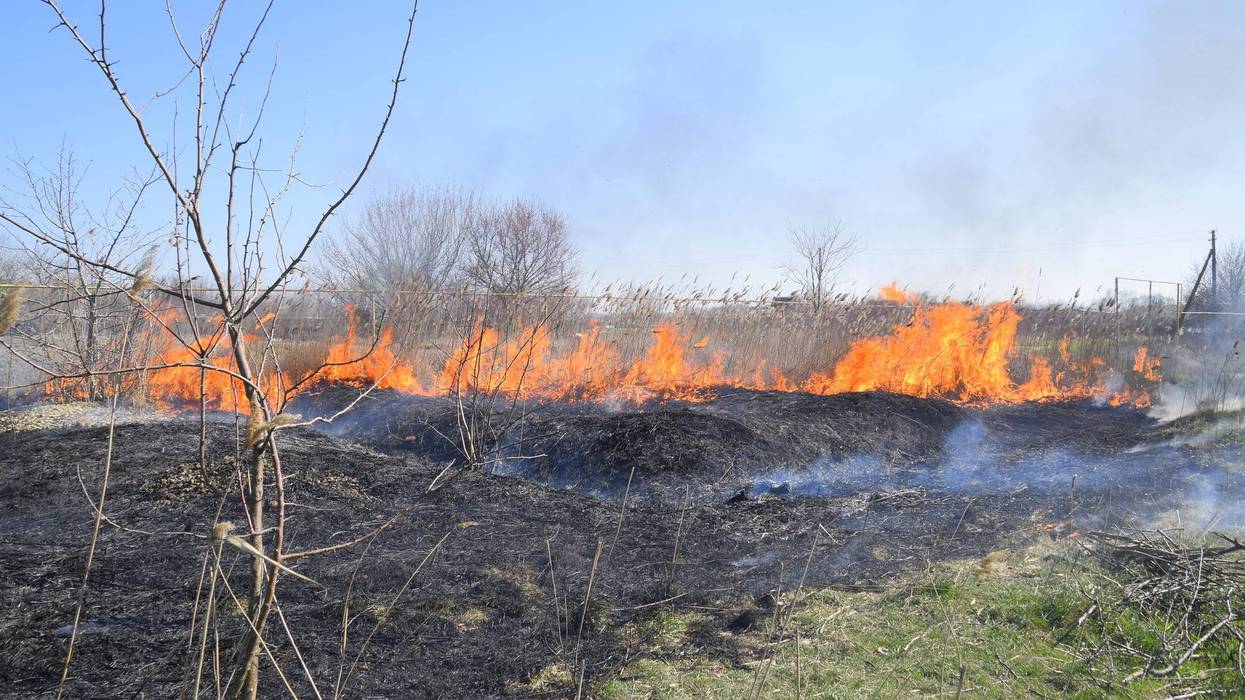

Rising summer temperatures and dropping humidity levels across Texas are escalating wildfire risks, according to the Texas A&M Forest Service.
Laura Stevens, a Public Information Officer for the Texas A&M Forest Service, reported that the agency has responded to more than 40 requests for assistance with wildfires that have burned almost 6,000 acres across the state since Friday.
While rain in June and early July delayed the typical start of the summer wildfire season, overall conditions remain consistent with past years.
"In previous years, we did see a later start to the summer wildfire season due to the amount of rain that we received in the early parts of June into July," Stevens said. "So this did delay the start of the summer wildfire season, but as far as the overall conditions, they're about the same. Temperatures still increasing into the 100s, we're seeing relatively low humidities, which is leading to the drying of the surface fuels."
Four active wildfires are currently being monitored: the largest is the Keyserville Fire in Mason County which has scorched 200 acres and is 65% contained.
Looking ahead, officials expect temperatures to climb into the triple digits across the northern half of the state, South Texas, and the Lower Gulf Coast. The extreme heat will dry out surface fuels, including grass, brush, and timber, increasing the risk for potential fires.
Top Wildfire Causes and Prevention
Equipment use and debris burning are two of the primary drivers of wildfires in Texas:
- Debris Burning: This remains the single leading cause of wildfires in the state. Residents should check local county burn bans before starting any outdoor fires. Even without a burn ban in place, outdoor burning should be avoided on hot, windy days or whenever dry conditions pose a threat.
- Equipment Use: Sparks from lawnmower blades striking rocks, hot vehicle undercarriages parked over tall grass, and dragging trailer safety chains along roadways frequently ignite dry roadside vegetation.
Protecting Homes and Property
Property owners can take practical, low-cost steps to create a defense against potential fires:
- Roof and Gutter Clearance: Clear accumulated leaves and dead debris from roofs and rain gutters.
- 5-Foot Defensible Space: Maintain a clean buffer zone within zero to five feet of the home's foundation. Keep plants well-watered and clear away dead leaves or vegetation.
- Lawn Care: Keep grass regularly mowed, ideally scheduling lawn maintenance during cooler morning hours rather than late afternoon heat.
- Attic Vents: Install 1/8-inch metal mesh screening over attic vents to prevent wind-driven embers from entering the home.
The Texas A&M Forest Service urges residents to sign up for local emergency alert systems, monitor weather updates, and keep an emergency evacuation "go kit" ready.
Triple-digit temperatures and low humidity accelerate wildfire risk
Triple-digit temperatures and low humidity accelerate wildfire risk


