


Across North Texas and the rest of the country Monday, banks, schools, government offices, postal service and the financial markets are closed for Presidents Day, while most restaurants, retail stores and medical offices remain open.
The federal holiday affects everyday services: no regular mail delivery, no court operations, and most city and county offices shut down for the day. Many school districts scheduled student holidays, though some campuses use the date for staff development.
Private businesses largely operate on normal hours, which often makes the day feel less like a traditional holiday for workers outside government or finance.
Presidents Day traces its roots to George Washington's birthday. Congress first created a federal holiday in 1879 honoring the first president, observed on Feb. 22. Nearly a century later, the Uniform Monday Holiday Act moved the observance to the third Monday in February beginning in 1971.
The change created a three-day weekend and informally broadened the celebration to recognize all U.S. presidents, even though the federal government still officially calls it "Washington's Birthday."
Over time, retailers and state governments adopted the more familiar name Presidents Day, and the meaning expanded from commemorating a single historical figure to reflecting on the presidency itself — leadership, national unity and the role of the executive branch.
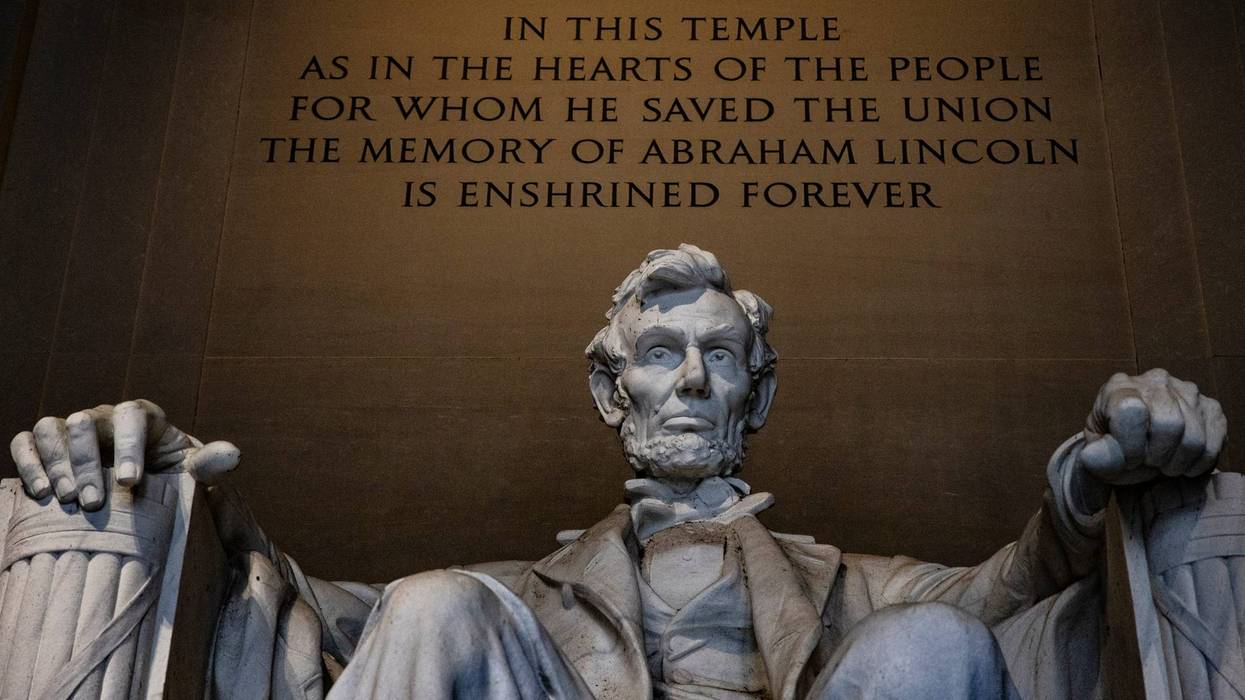
The day is often used for civic education, museum programming and historical exhibits about Washington, Abraham Lincoln and other presidents whose birthdays fall near the date.
Because it is one of 11 federal holidays, federal agencies and markets close nationwide, and local governments typically align their schedules. Essential services such as police, fire and hospitals continue operating as normal.
For most residents, the practical impact is simple: no mail, limited public services and lighter traffic — but plenty of places still open for errands, meals and shopping.
LISTEN on the Audacy App
Tell your Smart Speaker to "PLAY 1080 KRLD"
Sign Up to receive our KRLD Insider Newsletter for more news
Follow us on Facebook | Twitter | Instagram | YouTube