

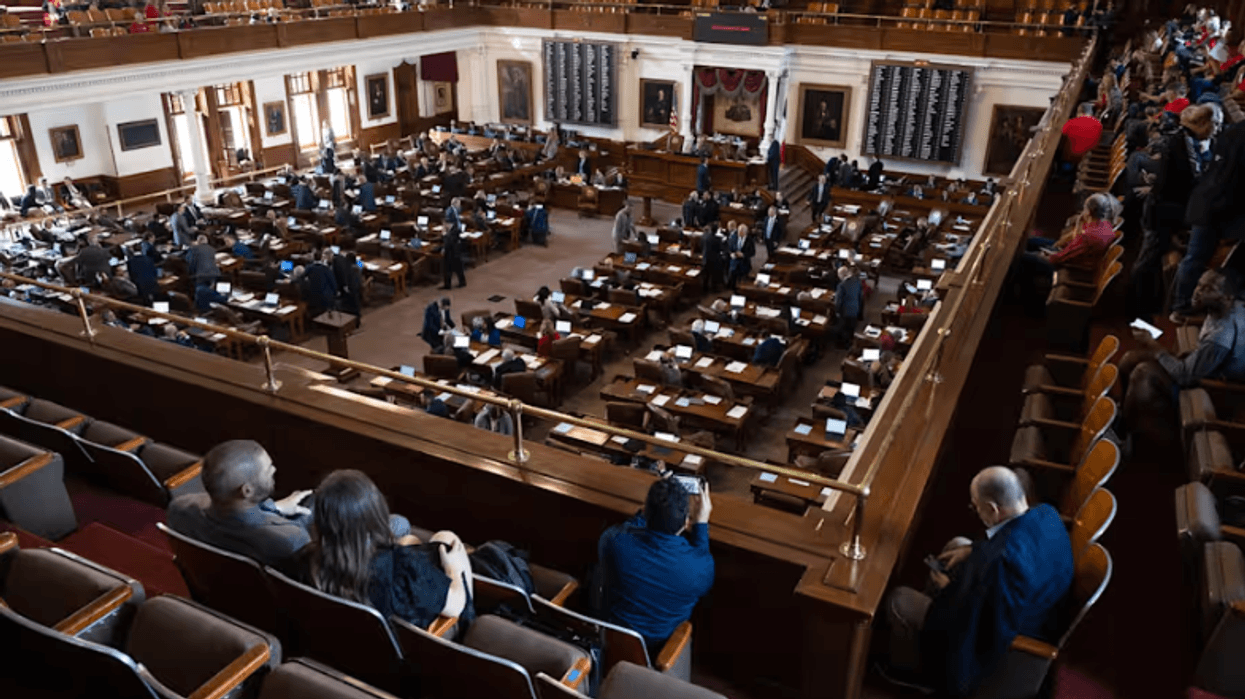

Texas enters the new year with dozens of new state laws now in effect, changing everything from how local police work with federal immigration agents to how quickly landlords can evict tenants and how artificial intelligence is regulated.
The measures were passed during the 2025 legislative session and became law January 1, 2026.
One of the most far-reaching changes expands the role of local sheriffs in immigration enforcement, allowing and in some cases requiring cooperation with federal authorities. Supporters say the law strengthens border security and public safety, while critics argue it could strain local resources and increase the risk of civil rights complaints.
Several new laws also affect housing and eviction procedures. Lawmakers shortened certain court timelines and adjusted notice requirements, changes that supporters say will speed up the legal process for property owners. Tenant advocates warn the updates could make it harder for renters to stay housed during financial hardship.
On the economic front, Texas is rolling out new and expanded tax incentives aimed at businesses, including revisions to franchise tax rules and property tax relief measures. State leaders say the changes are designed to keep Texas competitive and encourage companies to expand or relocate, though fiscal analysts note the incentives could reduce future state and local revenue.
Technology is another major focus in 2026, with new rules governing the use of artificial intelligence by state agencies and contractors. The laws set limits on automated decision-making and require transparency when AI tools are used in areas like public services and data analysis, reflecting growing concerns about bias, privacy and accountability.
While many of the laws drew debate when they passed last year, most are only now being felt as agencies, courts and local governments begin enforcing them. Additional changes approved during the session are scheduled to take effect later in 2026.