

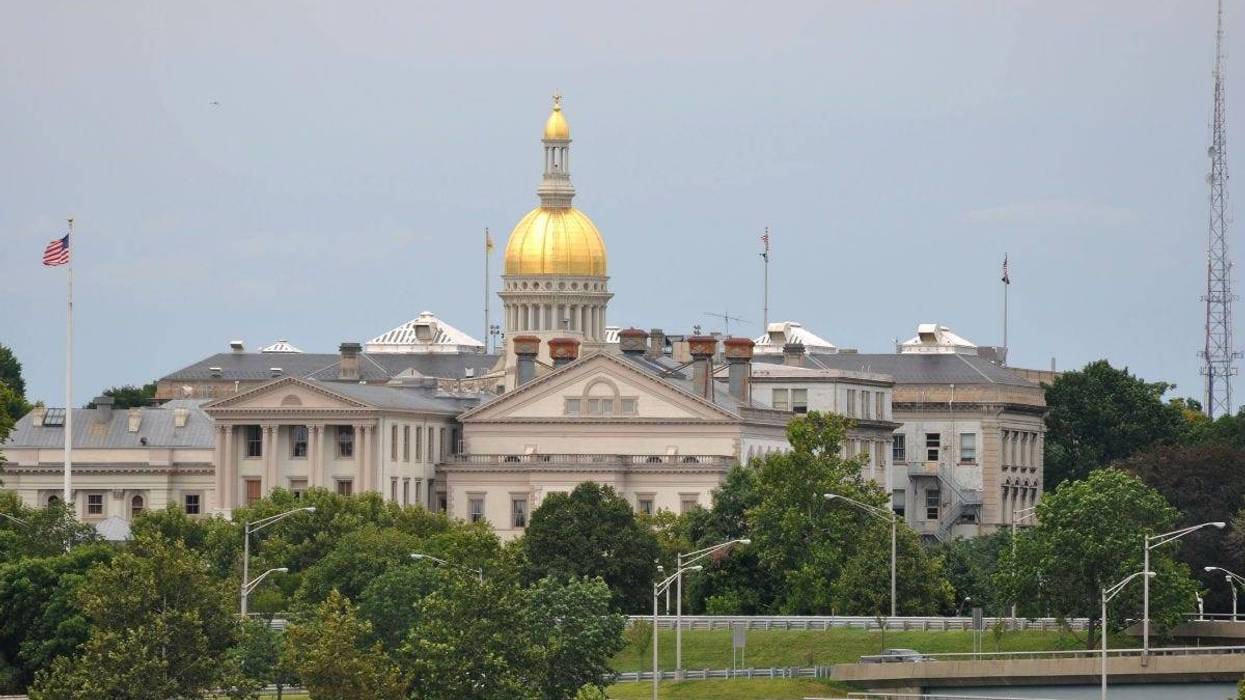

TRENTON, N.J. (KYW Newsradio) — New Jersey legislators have passed a bill that raises the state's minimum wage to $15 an hour over the next 5 years. It awaits the signature of Gov. Phil Murphy, who has lobbied hard to get this done.
By Trenton standards, this was done with lightning speed: two weeks from introduction to hearings to assembly and senate approval, albeit mostly along partisan lines.
Assembly speaker Craig Coughlin helped hammer out the accord with the administration.
"History has shown us that raising the minimum wage is actually good for the business community," Coughlin (D-Woodbridge) told his colleagues. "It's good for the state of New Jersey and, most importantly, it's good for the people who benefit from it."
Republicans in the Assembly offered a lower alternative to $13, which was voted down before it could even be considered.
RELATED: NJ Assembly Committee approves $15 minimum wage
Assemblyman Anthony Bucco (R-Randolph) had a warning.
"There's no provision for a temporary pause button if the economy goes south," he said. "There's no carve out for municipalities and counties and they've already suggested to us that it could cause people to lose their jobs or potentially increase property taxes."
The Assembly approved the plan by a vote of 52-25.
The state Senate's vote was 23-26 in favor of the bill over the objection of members like Chris Bateman (R-Somerville), who noted that Murphy used the minimum wage issue to get elected.
"It's one thing to be out there on the campaign trail promising everybody a $15 minimum wage," Bateman said. "However, it has unintended consequences."
Among them are concerns that the measure may cost some people more in taxes then they'll get in their paycheck.
Senate President Steve Sweeney (D-West Deptford) promised to address problems that might arise. But this change was needed.
"The wage gap is so large now," Sweeney countered. "It's time to give the people on the lower end an opportunity to do a little bit better."
Gov. Murphy turned to Twitter to announce he will sign the bill on Monday.
The plan increases the minimum wage for most affected workers to $10 an hour on July 1, and $11 on Jan. 1, 2020, with annual dollar increases every year until it reaches $15 dollars in 2024. There are exceptions for seasonal and farm workers and for businesses with less than six employees.