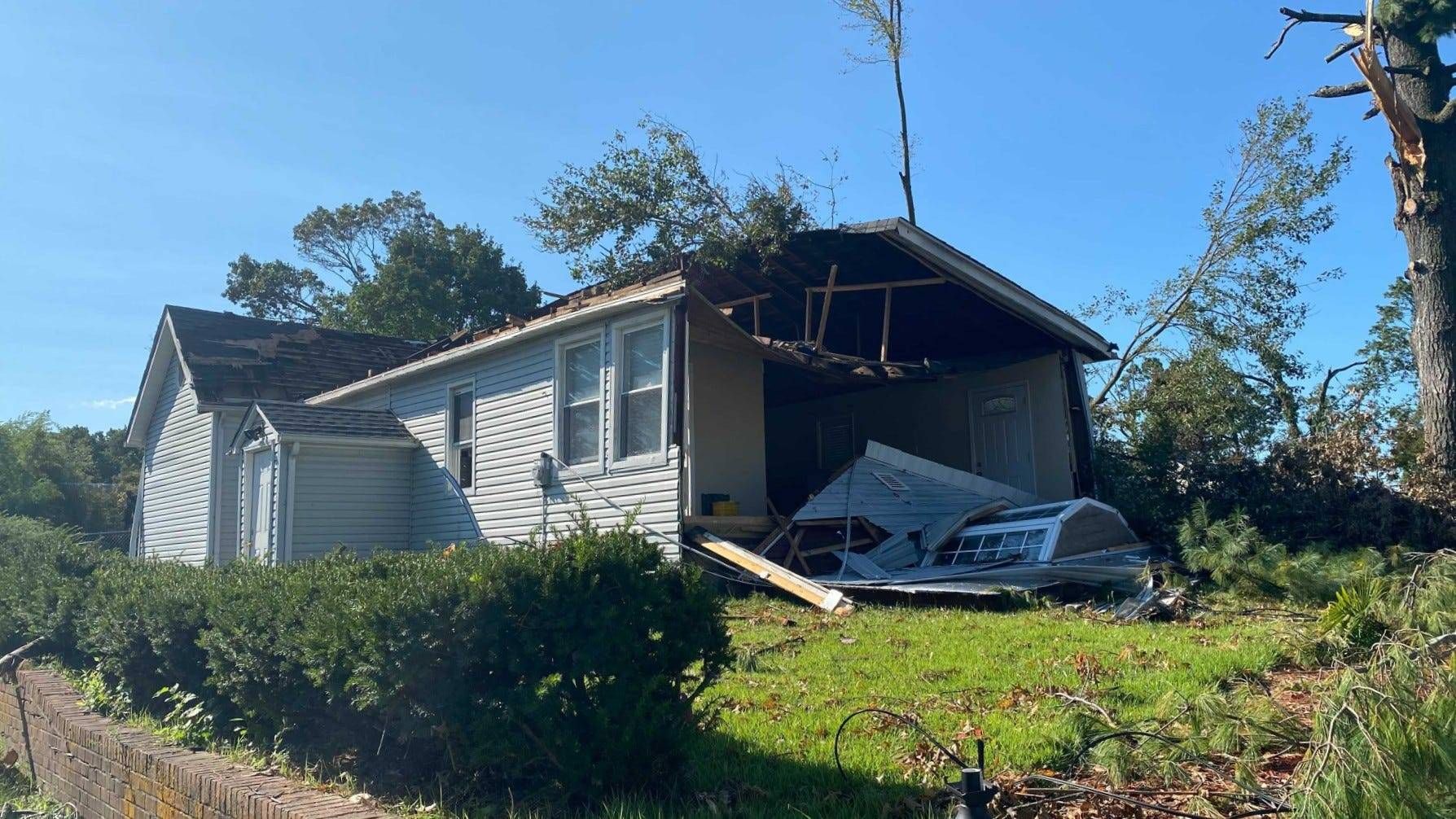


PHILADELPHIA (KYW Newsradio) — Just how vulnerable is New Jersey to the effects of climate change? Tornadoes and widespread flooding caused by Hurricane Ida were just the latest examples of Mother Nature's power. Gov. Phil Murphy announced last week the final version of a plan to help communities better prepare for future storms.
Over the last two years, the Interagency Council on Climate Resilience has been developing a six-point plan to address the impact of climate change in America's most densely populated state.
The state's first Climate Change Resiliency Strategy outlines six priorities meant to strengthen the state against climate impacts, including rising temperatures, rising, sea level, more frequent and intense storms, and the flooding that comes with them.
No. 1 on that list is "building resilient and healthy communities." N.J. Department of Environmental Protection Commissioner Shawn LaTourette explained what that means.
"We should be attentive to that inclination to overdevelop and resist that urge," LaTourette said.
He says the thing that is "in the way" of a development, "whether it's a wetland, or a parcel of forest, that natural resource is doing something for us that we might under appreciate."
He says when you pave paradise and put up a parking lot, there is nowhere for storm water to go. One of the solutions is to build vertically, so more surface area is available on the ground for Earth to do what it's supposed to do.
The six priorities outlined in the Climate Change Resilience Strategy are as follows:
1. Build Resilient and Healthy Communities
2. Strengthen the Resilience of New Jersey's Ecosystems
3. Promote Coordinated Governance
4. Invest in Information and Increase Public Understanding
5. Expand Resilience Funding and Financing
6. Coastal Resilience Plan
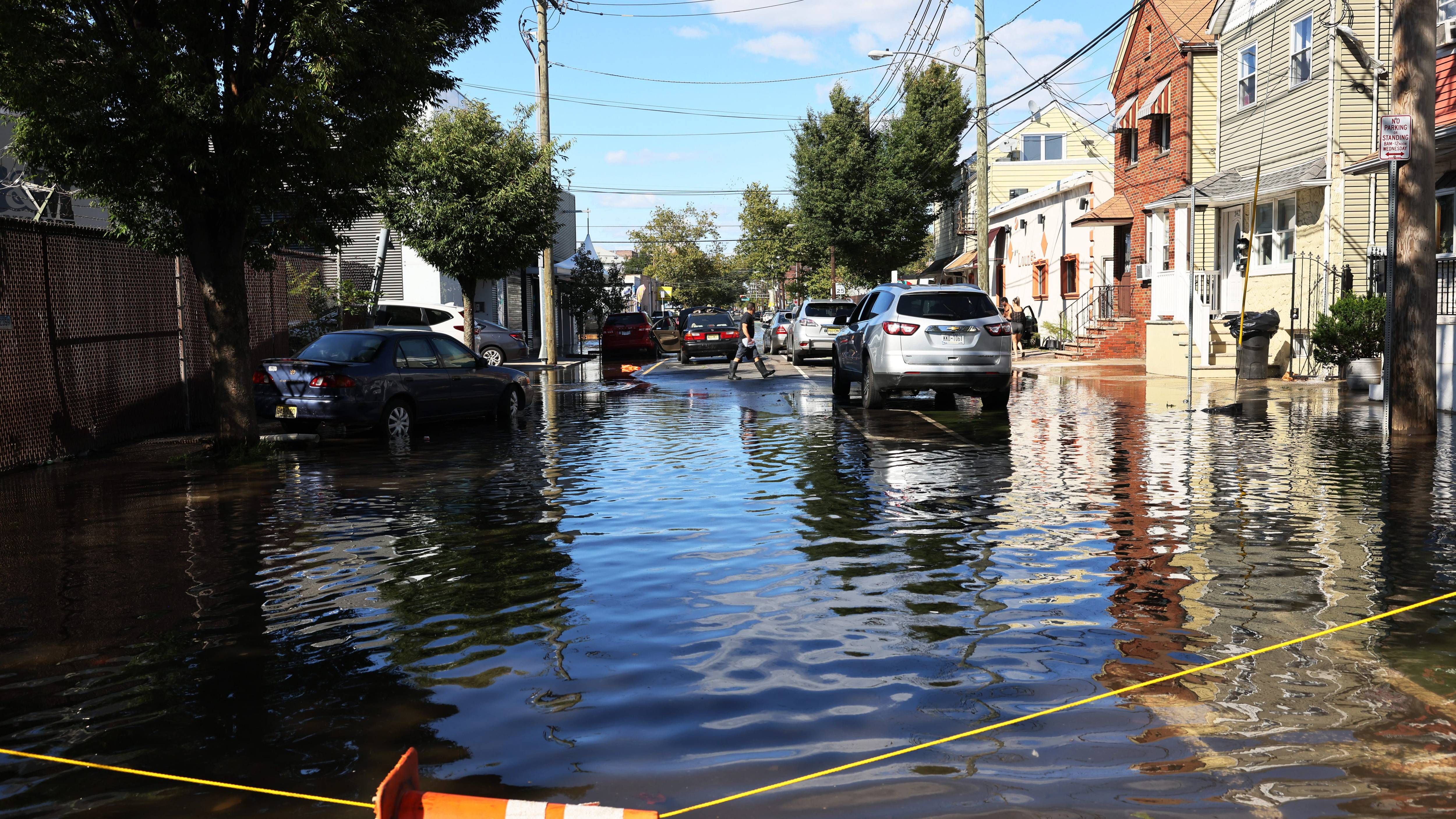
The Interagency Council on Climate Resilience comprises 17 state agencies and is charged with developing short- and long-term plans to protect vulnerable communities, environment, economy, and infrastructure from the impacts of climate change.
An earlier version of the plan was released in April on Earth Day.