



PHILADELPHIA (KYW Newsradio) — Experts believe Pennsylvania has some of the highest radon levels in the country, and state officials are urging residents to test their homes for the odorless, invisible gas.
January is National Radon Action Month, highlighting the dangers of long-term radon exposure, which can increase the risk of lung cancer over time.
The gas poses serious health risks over time, but there are no immediate signals if someone is breathing it in.
"The health risks associated with radon is a low-dose, long-term exposure," a state official said.
Denise Bleiler with the Radon Division of the Department of Environmental Protection said it's important to shed light on radon awareness since the effects are not immediately apparent.
"You can't see it, smell it, or taste it so it falls to the bottom of your list of things to do," she said.
Research shows that exposure to more than 4 picocuries per liter over a lifetime increases the likelihood of developing lung cancer.
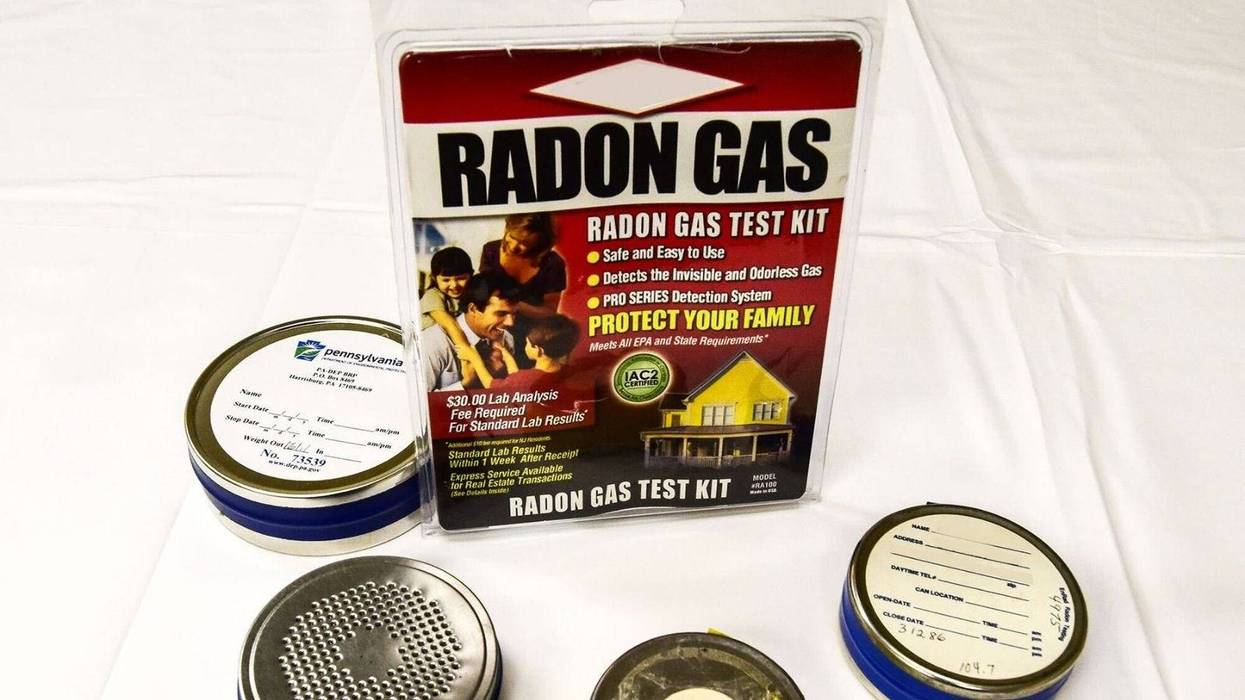
The DEP is encouraging homeowners to purchase a radon test kit and to carefully read the instructions because there is a waiting period involved.
"Some kits are 2 to 4 days, or it might be 2 to 7 days. It's very important that you record the date and time that you open the test kit. The date and time that you close the test kit," Bleiler said.
She added that once a test kit is closed, homeowners should mail it promptly.
"The day that you are closing the test kit, you want to get the kit and the paperwork into your mailer and then into a mailbox. So it gets to the lab in a timely fashion. That's kind of the key important part there, so it does get analyzed in the right amount of time."
If the results come back elevated, the next step is to have a mediator install a radon mitigation system, which the state estimates could cost between $800 and $1200.
Officials say testing now can help protect your health in the long run.