

PHILADELPHIA (KYW Newsradio) — After all the ballots were counted in Philadelphia's primary election, the total number of votes cast was just over 280,000 — out of more than a million registered voters.
The candidates have different theories about why turnout was so low, and now some of them are looking for ways to improve voter participation.
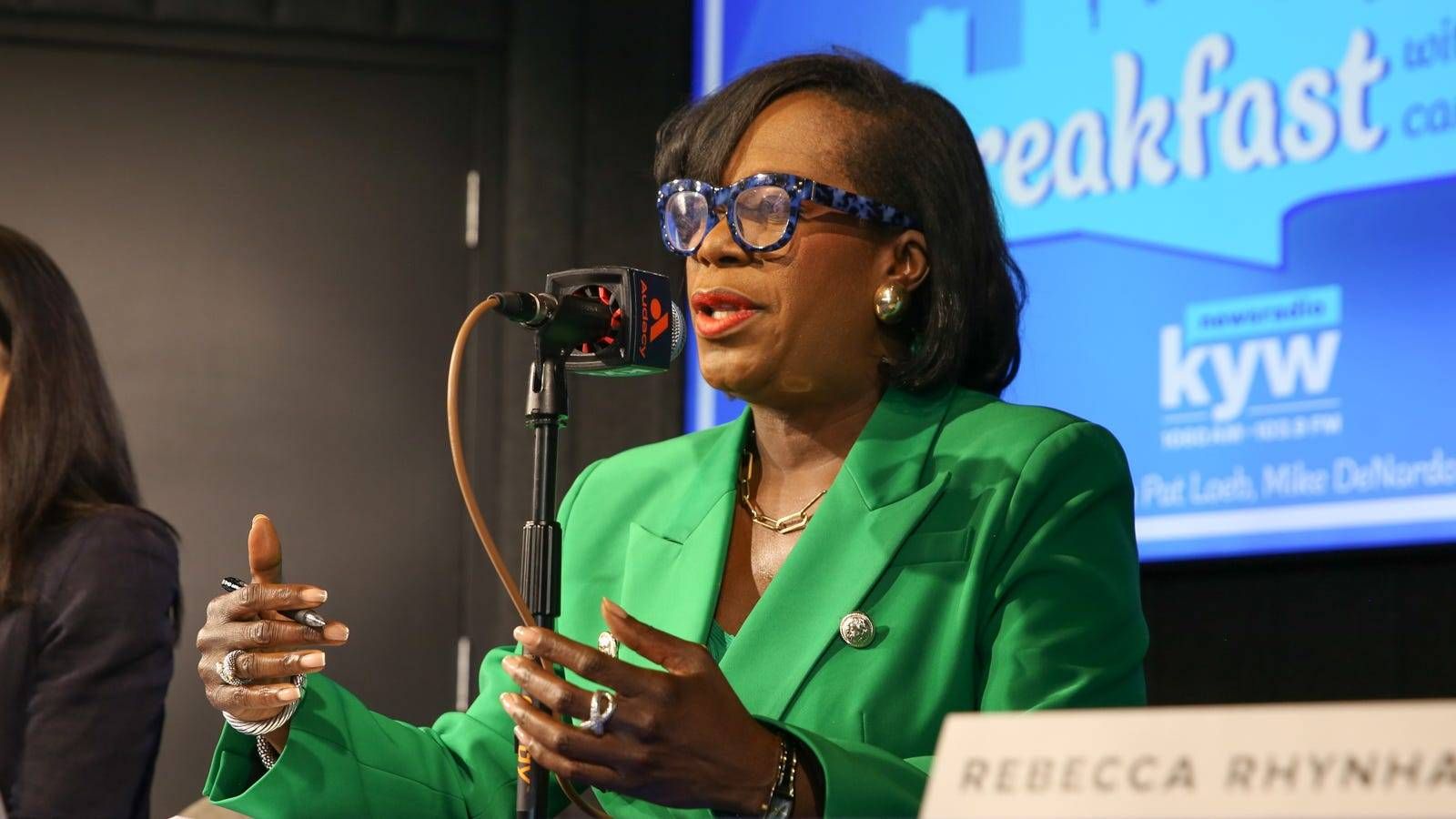
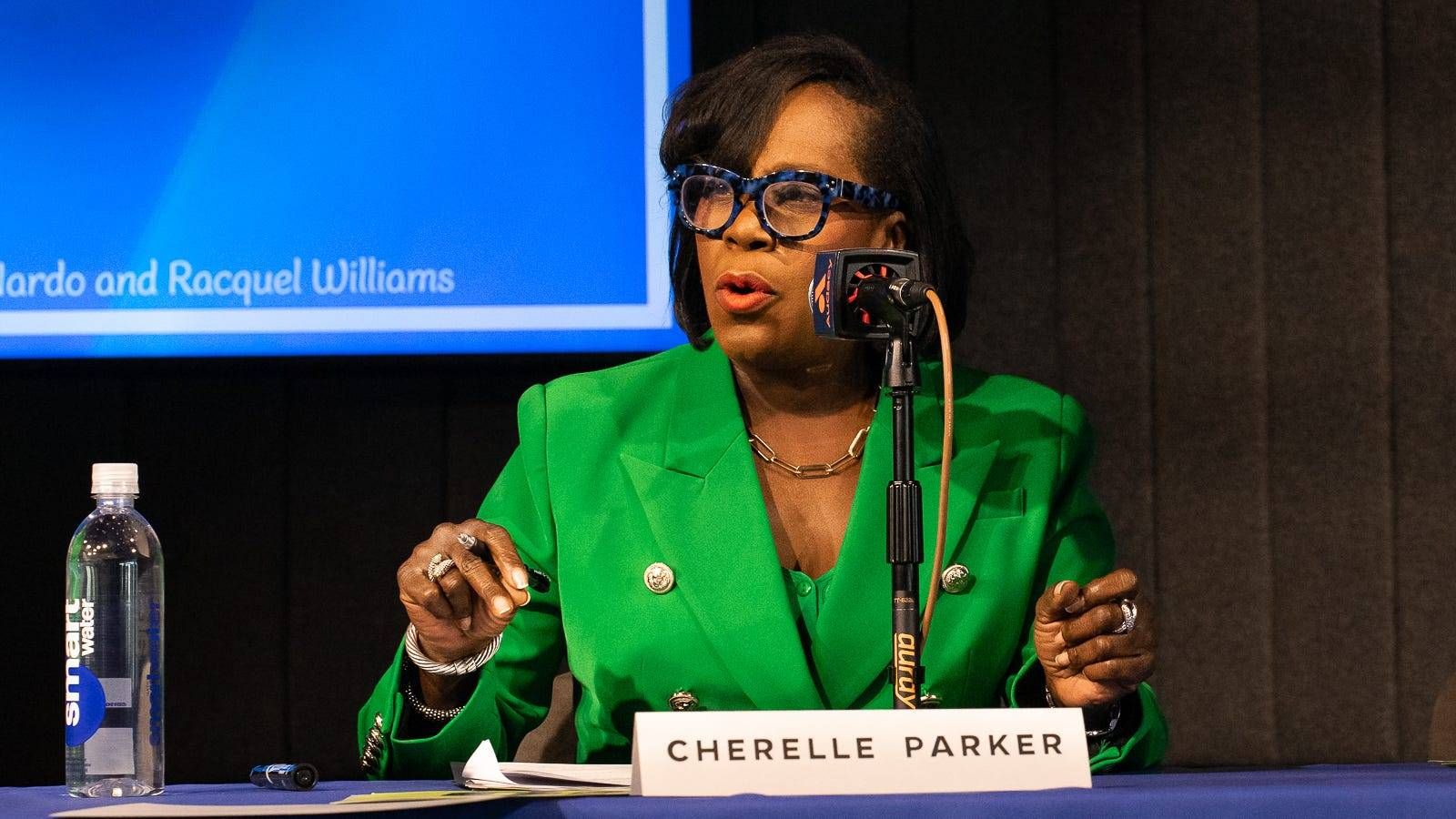
Cherelle Parker won the race with 81,000 votes — just over 8% of voters in the city. But she doesn't blame voters.
"The dismal turnout is not reflective on our citizens in a negative way. It is reflective on the fact that we have to do better," she said.
Parker says turnout was better in parts of the city where people benefit more from city services. She says the key to better participation is to make all voters feel connected to the leaders they're electing.
"The low turnout was very disappointing, especially considering all the difficulties we have," said Jeff Brown, who finished fifth in the primary. He spent more than $5 million, including nearly $4 million of his own money, for 21,000 votes. That's about $250 per vote.
He says he doesn't know what more candidates could have done to engage voters.
"There couldn't have been more forums and debates and more content for the voters to consider."
Maria Quiñones Sánchez, who dropped out of the race in April, said maybe there was too much content. And she blames the money spent on relentless attack ads.
"More wasn't necessarily better," she said. "That obnoxious money did not motivate people. It turned people off."
Another candidate who dropped out, Derek Green, says whole new systems are needed. He has been a vocal advocate for ranked-choice voting and public financing of campaigns.
"We definitely need to work hard to get people engaged in the future of the city, because we have major issues we need to resolve," he said.
It should be noted that that turnout was slightly higher this year than for the last open mayoral primary in 2015, but political consultant Neil Oxman says it was typical for mayoral primaries when there isn't a candidate voters feel passionately about.
"People vote because they either love somebody or they really don't like somebody — and neither of those situations happened here," he said.
Oxman says that could mean trouble for Democrats in November, when Philadelphia's turn-out could be even more crucial, because it could determine statewide judicial elections.
"The object of the Democratic Party is to make Philadelphians understand there are some serious stakes to staying home this fall," Oxman said.
Party chair Bob Brady agrees, but he says he remains hopeful.
"It certainly is our responsibility to get everybody out to vote," Brady said. "What do you have to do? You have to get people feeling good about their city, and I believe, without a doubt, Cherelle Parker is going to make that happen."
Parker says she accepts the challenge. She thinks voters will show up if they feel connected to the outcome.
"We have to do better in making sure people believe we can put government to work to change everyday lives," she said.