

HARRISBURG, Pa. (KYW Newsradio) — In his budget address Tuesday in Harrisburg, Pennsylvania, Gov. Josh Shapiro laid out a $53 billion plan for the state.
During the speech, Shapiro received bipartisan standing ovations multiple times for celebrating several bipartisan victories over the last year — from cooperation on technology education programs, grant programs for volunteer fire companies, and childcare recruitment and retention grants — to his new request for a bell-to-bell ban on cellphones in classrooms.
"If applause could vote, we'd have this whole thing done already," he joked.
The governor also threw jabs at Pennsylvania Republicans, telling those in the Senate that they can't hide behind a controversial multi-state cap-and-trade program now that it's officially off the table. He noted that he's put up his energy plan, and they need to do the same.
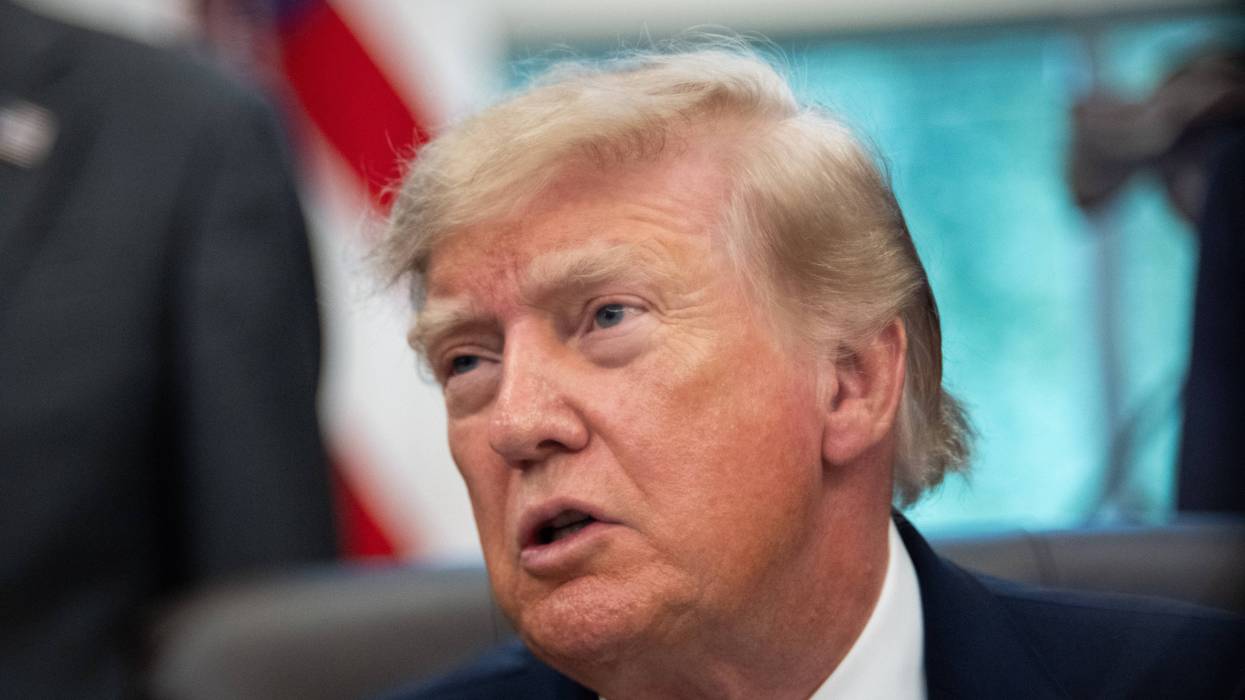
Shapiro also wryly noted a lack of applause when he mentioned his work with President Donald Trump to rein in energy costs.
"I'm gonna let the Trump administration know you didn't clap for them, all right," he said.
A major point of the budget touted by Shapiro is a $1 billion Critical Infrastructure Fund, which the governor said would be used to build housing and any other infrastructure the state needs.
"Rather than tinker with this, let's go big and make a real impact. We need hundreds of thousands of new homes. This is how we build them," he said.
Another fund mentioned by the governor was a $100 million proposal that Shapiro said would fill federal funding gaps should the Trump Administration threaten any critical funding in the future.
"We're here today talking about one-third of what the state spends — our discretionary budget. But another 40 percent comes from the federal government," Shapiro said. "We need to prepare ourselves should they continue to walk away from those commitments."
As he has in past budget proposals, Shapiro called on the legislature to increase the minimum wage, pass sustainable funding for mass transit and transportation, and regulate skill games and cannabis.
Lawmakers could not agree on increased funding for mass transit in last year's budget, so Shapiro allowed SEPTA to draw state capital money to cover two years of operations.
"This budget calls for sustainable, recurring funding for mass transit to begin in 2027," Shapiro said.
Republicans, however, called Shapiro's budget proposal "wash, rinse, and repeat," saying once again, Shapiro wants to spend more than the state brings in.
"Speeches are great, applause lines are wonderful. But at the end of the day, speeches and applause lines cannot become law," said Pennsylvania Senate Republican leader Joe Pittman.
The Pennsylvania Constitution said the budget must be passed by the State House, Senate and signed by the governor by June 30.