



PHILADELPHIA (KYW Newsradio) -- Temple University has received a $2.5 million grant to find the best way to keep patients with diabetes out of the hospital.
Every year in the United States, more than a million patients with diabetes head back to the hospital -- many, less than a month after their previous visit. That's expensive and detrimental to the patients' health, according to Dr. Daniel Rubin, associate professor of medicine at Temple University Lewis Katz School of Medicine and chair of the Glycemic Control Taskforce at Temple University Hospital.
Rubin's team is working on a computer application that will flag patients at high risk for coming back.
He says risk factors can be complicated.
"It could be that the people in the hospital made errors. It could be that the patient doesn't take their medication. It could be just that a clinical condition gets worse. It could be that their home situation presents some barriers or challenges. It could be they have some socio-economic limitations that prevent them from getting their medications or access to follow-up care," he said.
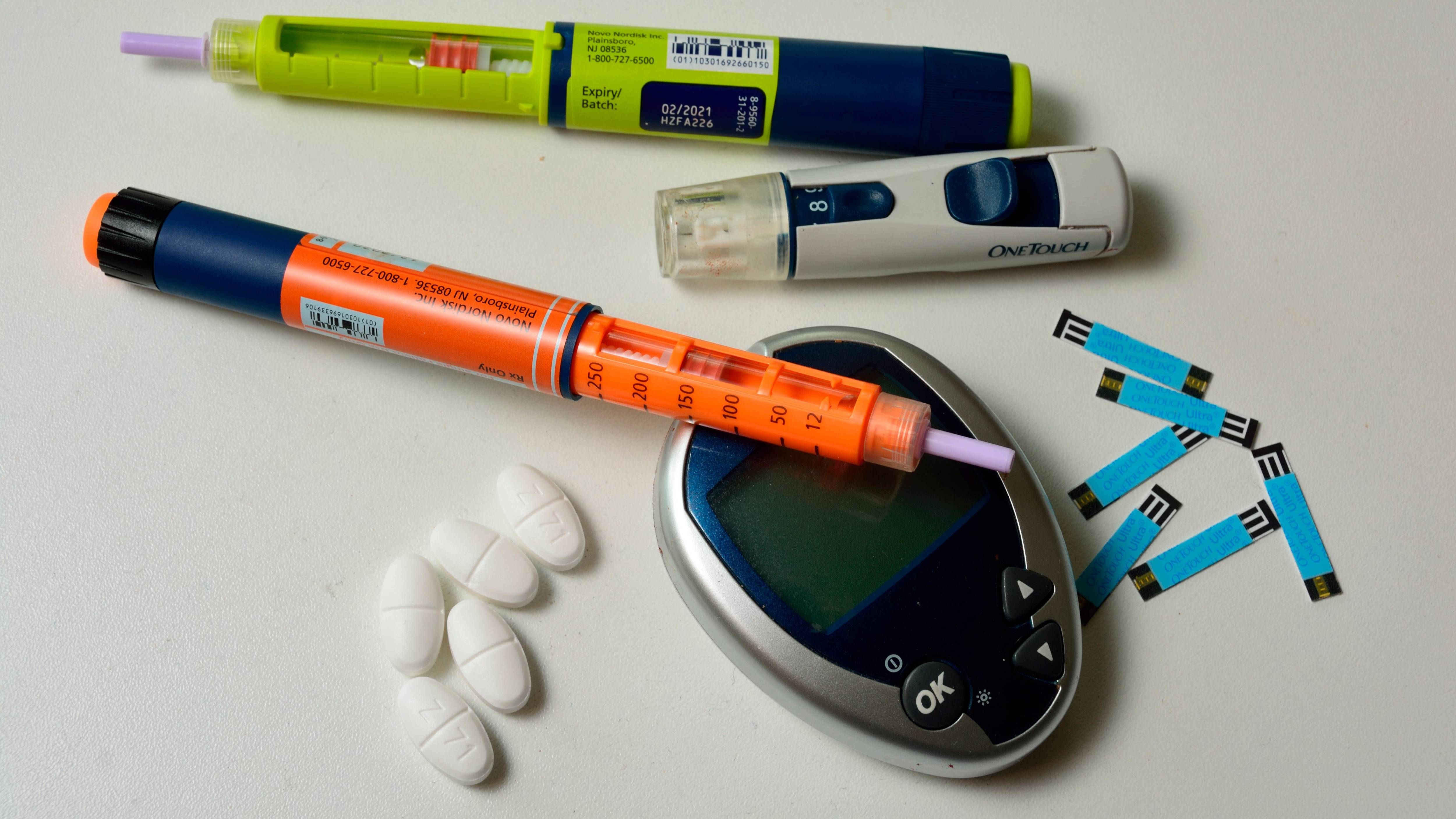
He says knowing which patients are at highest risk will save a lot of resources.
"We want to keep people home and out of the hospital. Of course, patients would be in favor of that," he said. "And also, part of the resources that you would be applying to keep people out of the hospital would be giving them more support, making sure they have the right medications, phone follow-ups, those sorts of things. So, their medical care would be better. And, in doing so, they would be using less hospital resources and saving money."
The five-year grant is from the National Institute of Diabetes and Digestive and Kidney Diseases.