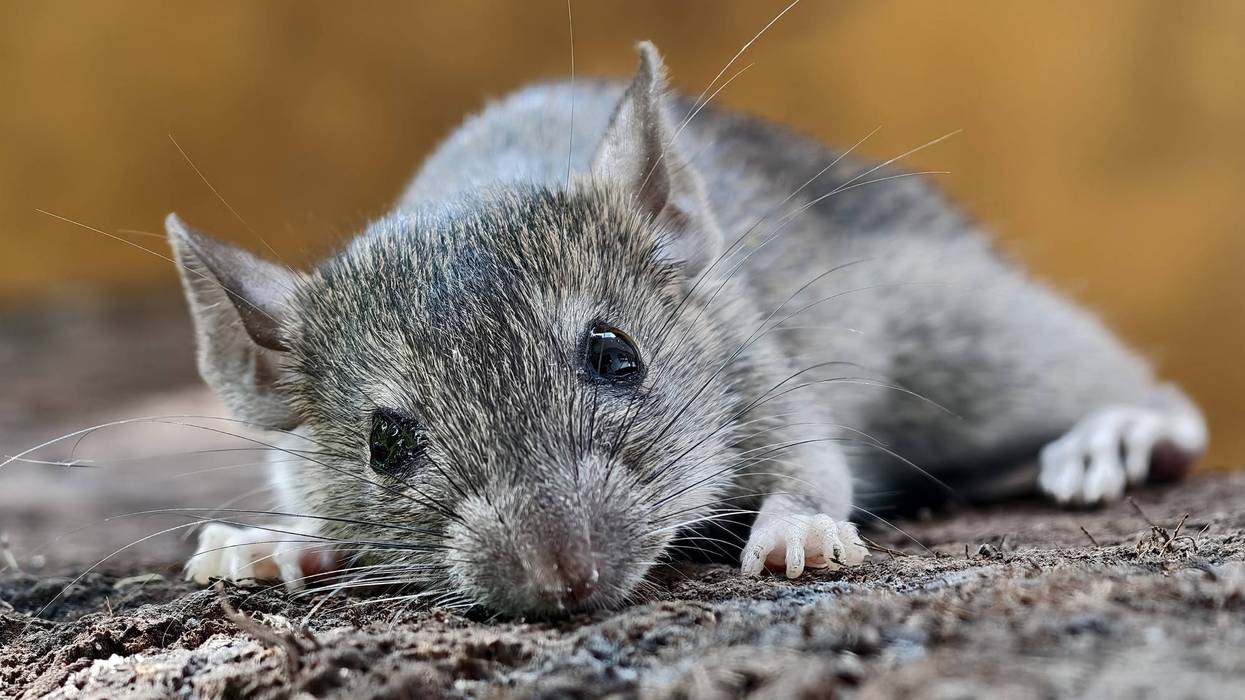

Five cases of the plague have been diagnosed so far this year in New Mexico, according to a July 2 notice from the state’s health department. It said the latest case was diagnosed in a Santa Fe County rat.
According to New Mexico Department of Health, this is the first wild animal plague case reported this year. A person found the rat dead on their property and turned it in to the department.
“Earlier this year three Santa Fe County dogs and one Bernalillo County dog were also diagnosed with plague, making a total of five animal plague cases in the state this year,” the department noted.
Plague refers to an infectious disease of animals and humans caused by the bacterium Yersinia pestis. This is the same pathogen that caused the Black Death, a global pandemic that raged in the 1300s. Outbreaks of the plague continued after that, and the threat of plague even cast a shadow of the works of William Shakespeare as he wrote hundreds of years later, according to the Folger Shakespeare Library.
Today cases of plague are rare and antibiotics are an effective treatment. Nearly half of all U.S. cases identified annually are found in New Mexico. Typically, it circulates in wildlife and it is transmitted through flea bites.
“Plague symptoms in cats and dogs include fever, lethargy and loss of appetite. There may be swelling in the lymph node under the jaw,” the New Mexico Health Department explained.
Dr. Chad Smelser, deputy state epidemiologist for NMDOH, warned that humans can also get plague from flea bites or direct contact with infected animals, including rodents, wildlife and pets. Additionally, he noted that pets can become infected if they eat an infected animal or if they are bitten by fleas.
“Plague symptoms in humans include sudden onset of fever, chills, headache and weakness. In most cases, there is a swollen, painful lymph node in the groin, armpit or neck area,” said the health department. People who think they or their pets might have contracted plague are instructed to get a prompt diagnosis and antibiotic treatment to reduce the risk of death. Physicians or veterinarians who suspect plague should also promptly report to public health officials.
Per the MNDOH, Plague can potentially be prevented by: using veterinarian-approved flea control product on your pets, cleaning areas where rodents might live (woodpiles, brush piles, junk and abandoned vehicles), keeping hay and compost as far a way from dwellings as possible, not leaving pet food and water where rodents can access it, having sick pets examined by a veterinarian, contacting medical providers about any unexplained illness and sudden fever and avoiding sick or dead rodents and rabbits, as well as their nests and burrows.
Each year, an estimated seven human plague cases are reported in the U.S., according to the U.S. Centers for Disease Control and Prevention. Last year, one human died from plague in Arizona. Audacy also reported on cases found in California last summer.