


Certain cars go beyond transportation. They represent a time in life. For me, the Acura Integra was exactly that.
My first real cars were a 1990 Integra RS and a 1991 Integra LS. Both manual. Both mine. One of them taught me a lesson about limits the hard way. Years later, when I met my wife, she was driving a 1998 Integra, the only car she ever purchased on her own.
So when Acura brought the Integra back, this was personal.
After a week behind the wheel of the 2026 Acura Integra A Spec with Technology Package, it is clear Acura stayed focused on what matters.
 Daryl Killian
What’s New for 2026
The 2026 updates refine rather than redefine the Integra.
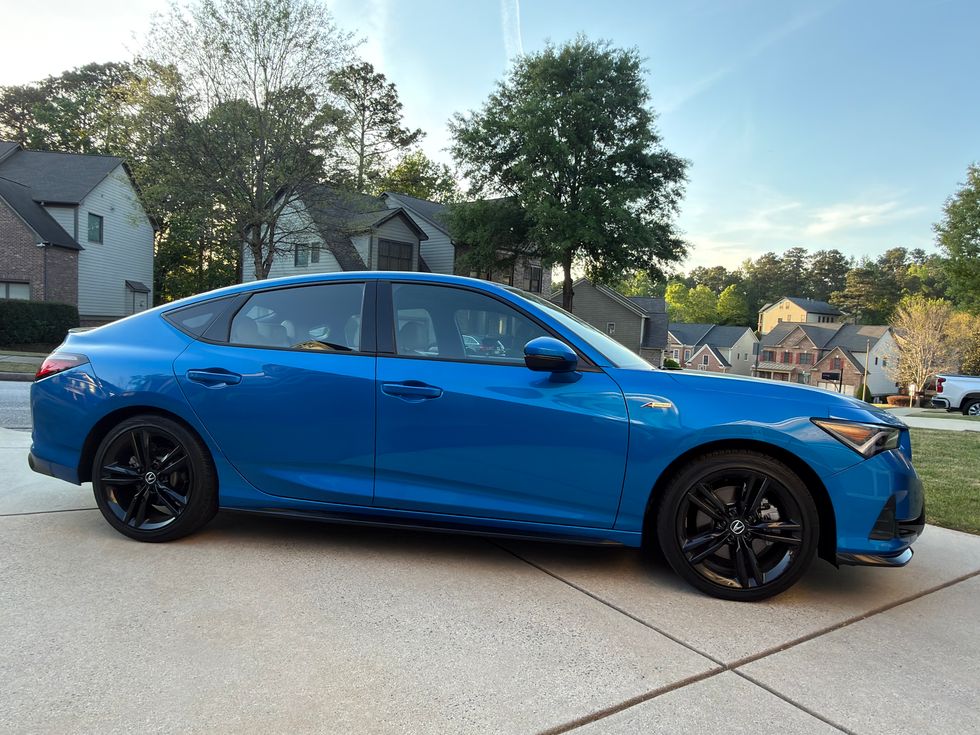
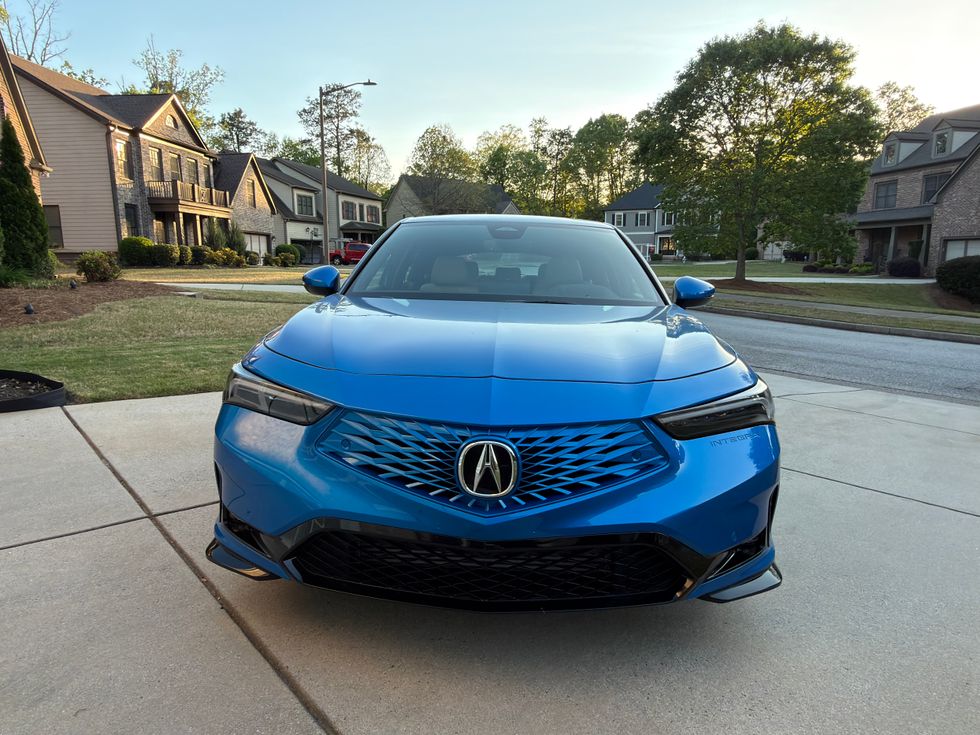
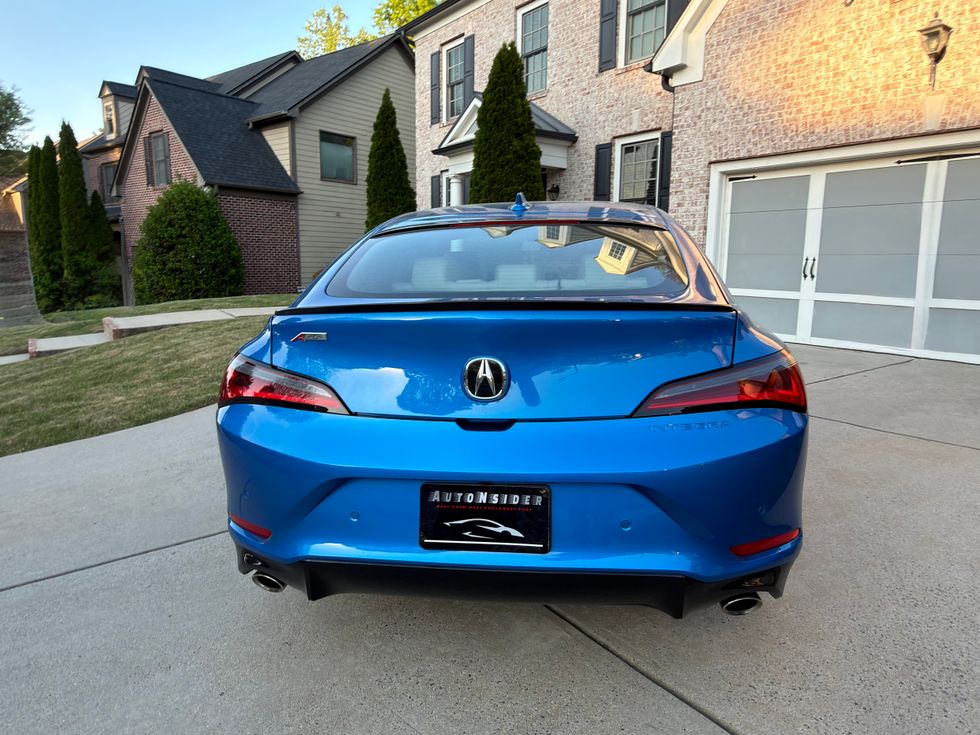
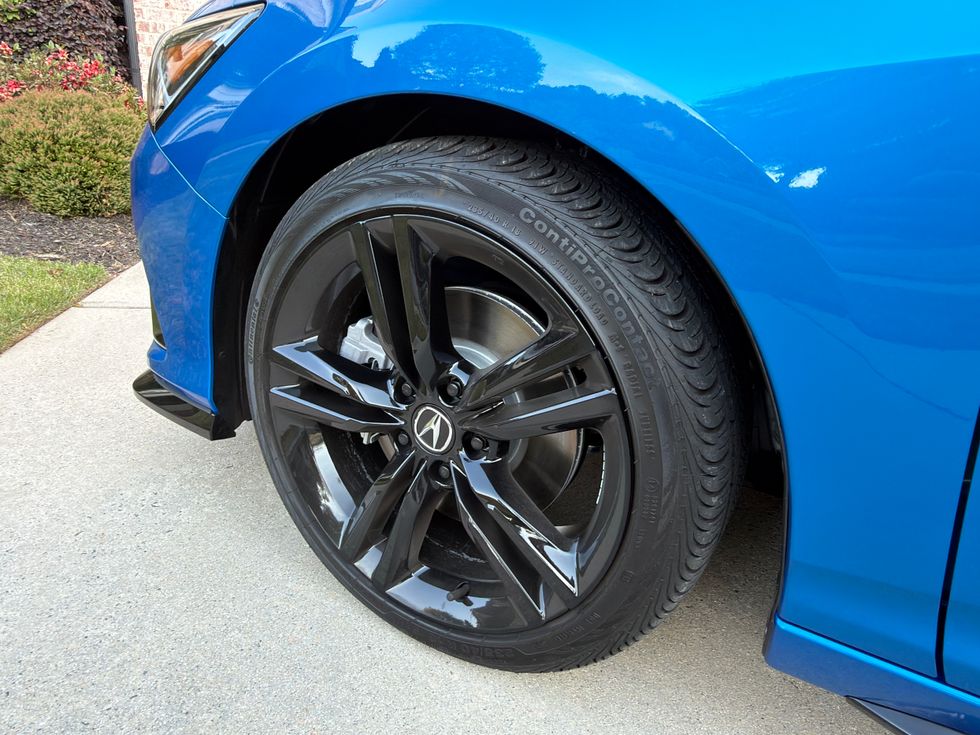
A Spec model gets a more aggressive aero kit, gloss black 18-inch wheels, and new colors like Double Apex Blue. Inside, the biggest win is usability. A 9-inch touchscreen, wireless Apple CarPlay, Android Auto, and wireless charging are now standard across the lineup.
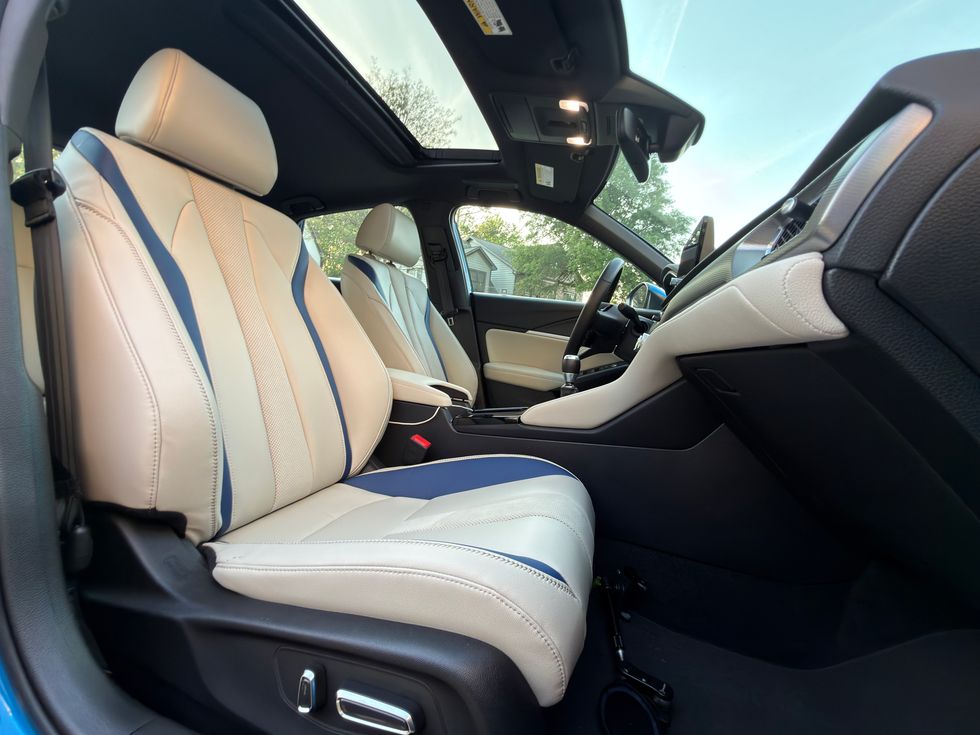
Interior materials, lighting, and stitching have also been upgraded, giving the cabin a more premium feel without losing its driver-focused layout.
 Daryl Killian
 Daryl Killian
 Daryl Killian
Performance and Driving Experience
The Integra is not about headline numbers. It is about balance.
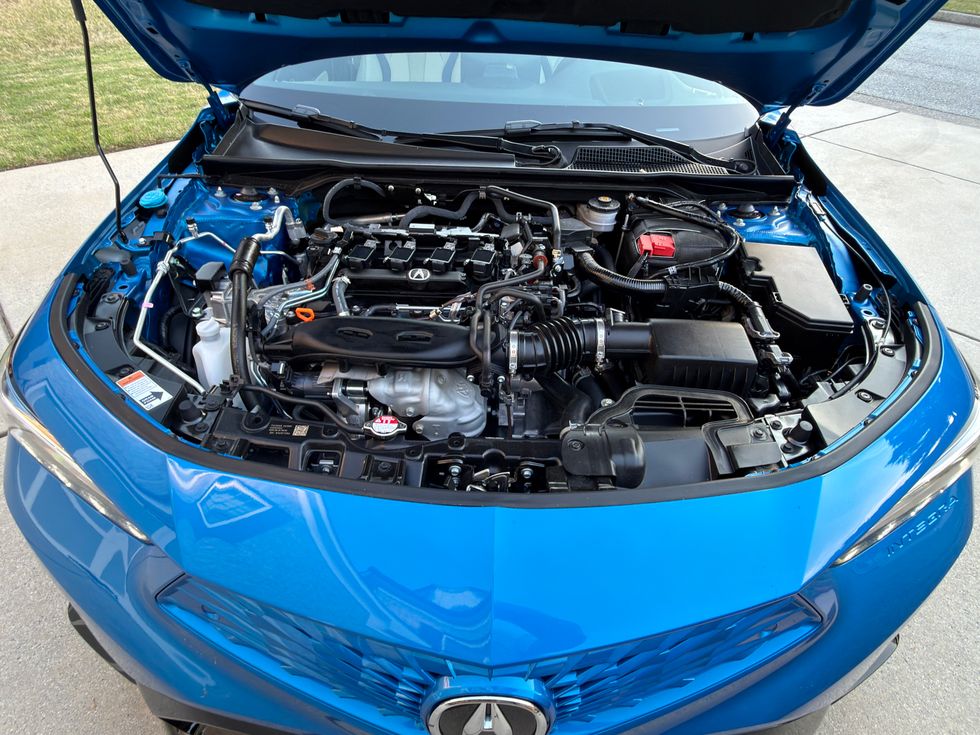
Under the hood is a 1.5-liter turbocharged engine producing 200 horsepower and 192 lb. ft of torque.
On the road, that translates to:
 Daryl Killian
- 0 to 60 mph in about 7.0 to 7.3 seconds
- Quarter mile in roughly 15.4 seconds
These are not class-leading numbers, and Acura is not trying to make them so.
What matters more is how the power is delivered.
The turbocharged engine delivers strong low- and mid-range torque, making it responsive in everyday driving situations such as merging and passing.
The available 6-speed manual transmission, paired with a limited-slip differential, remains the defining feature. It gives the Integra a level of engagement that most competitors have abandoned.
Fuel economy reinforces its daily usability:
- 29 city / 37 highway mpg (CVT models)
- Around 30 to 32 mpg combined in real-world driving
Interior Comfort and Technology
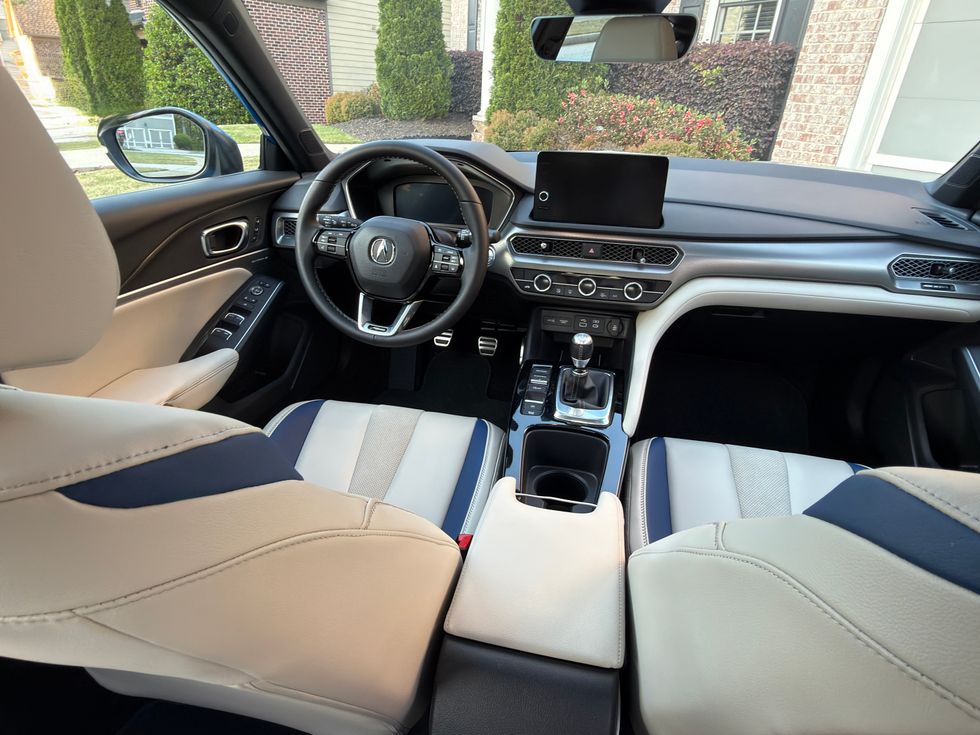
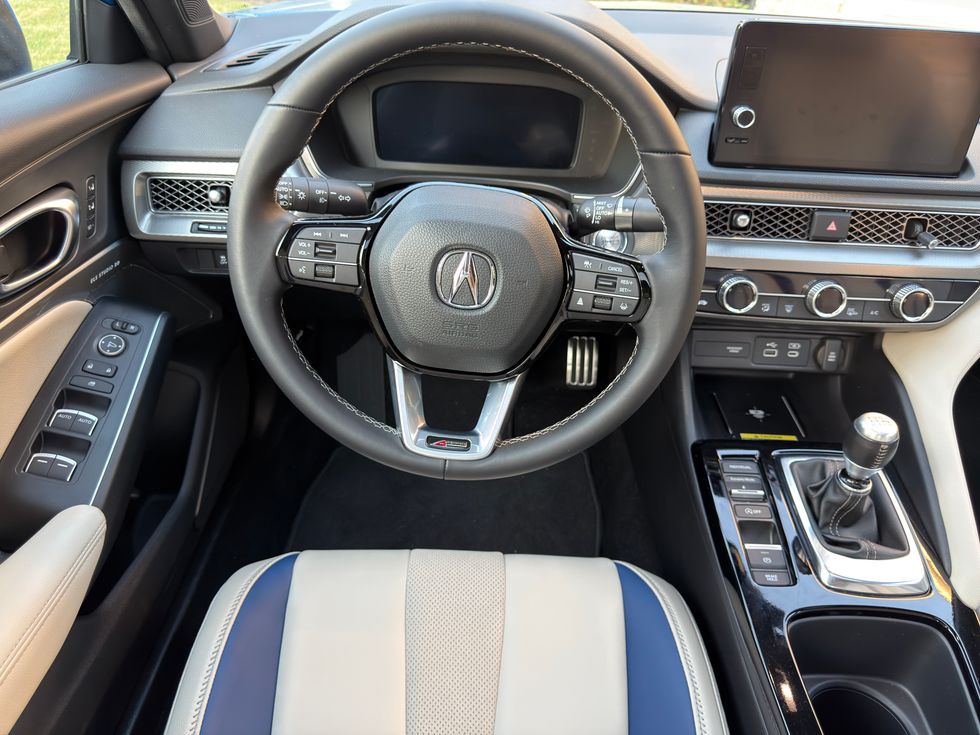
Inside, the Integra balances function and refinement.
 Daryl Killian
The layout is intuitive, the technology is finally competitive, and the available ELS audio system stands out as one of the best in the segment.
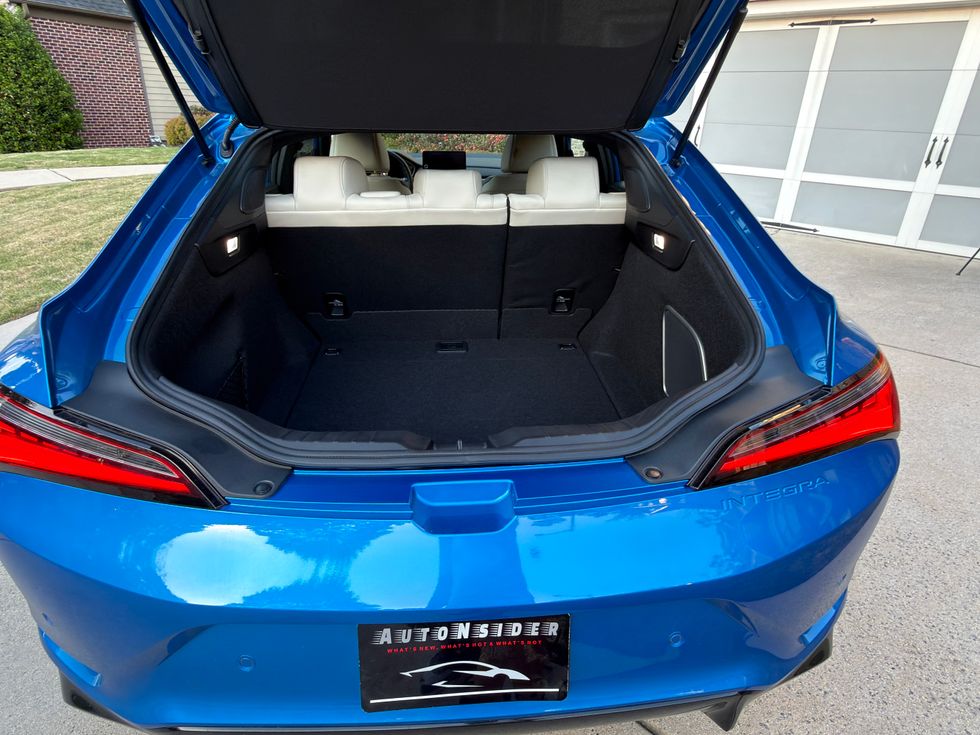
Cargo space is where clarity matters.
 Daryl Killian
The Integra offers about 24 cubic feet of cargo space, which is very similar to the Honda Civic.
 Daryl Killian
The advantage is not capacity. It is usability.
The liftback design creates a wider opening and easier access, making it far more practical for real-world use than traditional sedan trunks.
Rear-seat space is also competitive, making it usable for adults in ways some competitors' seats are not.
Real World Perspective
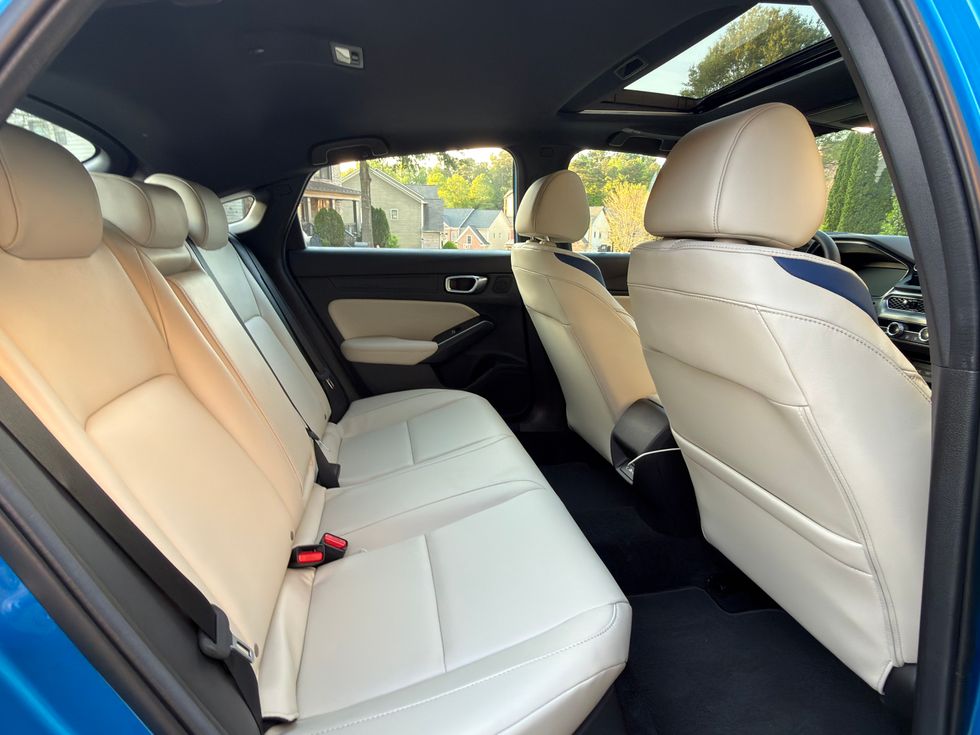 Daryl Killian
There was a real discussion in my household about buying an Integra for our daughter.
Timing did not work out.
After driving this one, that may have been a good thing. It is quick enough to require discipline, but balanced enough to reward experience.
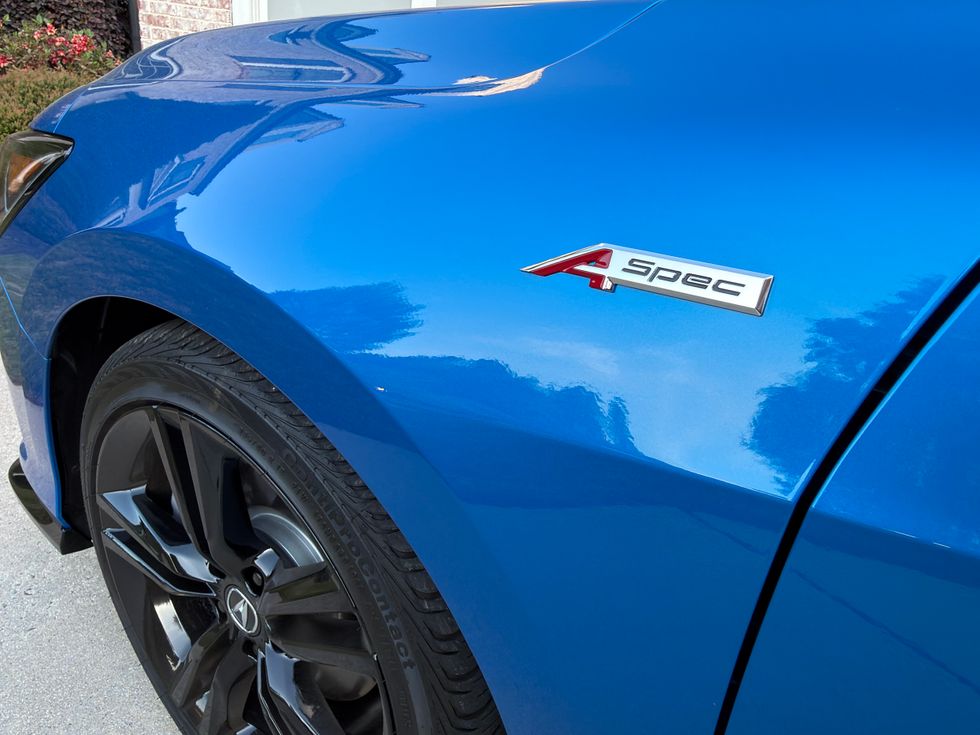
Daryl Killian
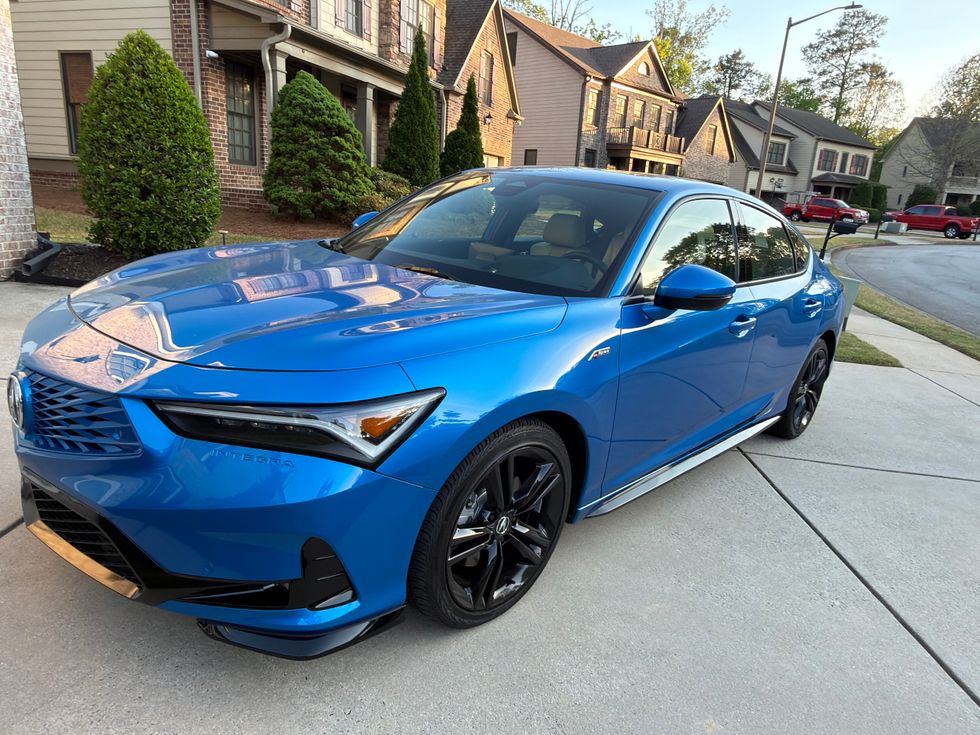
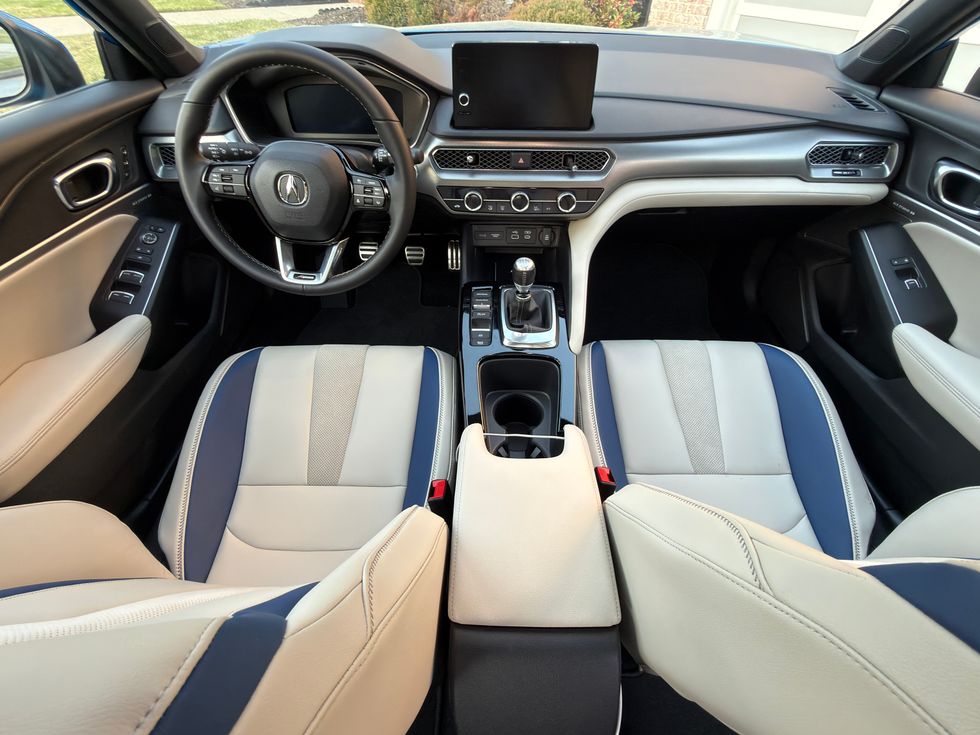
This is a car you grow into.
Buyer’s Guide
| Trim | Key Features | Best For | Estimated Price |
| Base Integra | Turbo engine, safety tech, digital cluster | Daily commuters | Mid 30K range |
| A Spec | Sport styling, upgraded wheels, and interior enhancements | Style-focused buyers | High 30K range |
| A Spec with Technology | Adaptive dampers, premium audio, full tech suite | Best overall balance | Around 40K to 41K |
Competitive Comparison
Audi A3
The Audi A3 offers greater refinement and an available all-wheel-drive system. It is also quicker in a straight line. However, its traditional trunk limits usability, and pricing climbs quickly with additional equipment. The Integra offers better everyday functionality and a lower cost of entry.
BMW 2 Series Gran Coupe
BMW delivers strong driving dynamics and sharper performance depending on trim. The tradeoff is cost and space. Once equipped, pricing moves well beyond the Integra, and rear seat and cargo usability fall short. The Integra is the more practical daily driver.
Mercedes-Benz CLA
The CLA prioritizes styling and brand appeal. It looks the part, but sacrifices interior space and practicality. The Integra offers a more usable layout and better value.
Honda Civic Si
The Civic Si is mechanically similar and slightly quicker to 60 mph. The Integra justifies its higher price with better materials, more technology, an improved sound system, and a more premium ownership experience.
Where the Integra Wins
Usability Over Raw Numbers
The liftback design improves real-world functionality, even though the total cargo space is similar to the Civic's.
Affordability Without Compromise
At around $40K, it undercuts similarly equipped European competitors while still delivering premium features and strong performance.
Balanced Performance
With 200 horsepower, mid-7-second acceleration, and strong fuel economy, it delivers exactly what most drivers actually need.
Final Verdict
The 2026 Acura Integra does not try to win the spec sheet battle.
It wins where it matters.
Performance that is usable
Space that works in real life
Pricing that makes sense
It is not the fastest car in the segment.
It might be one of the smartest.