

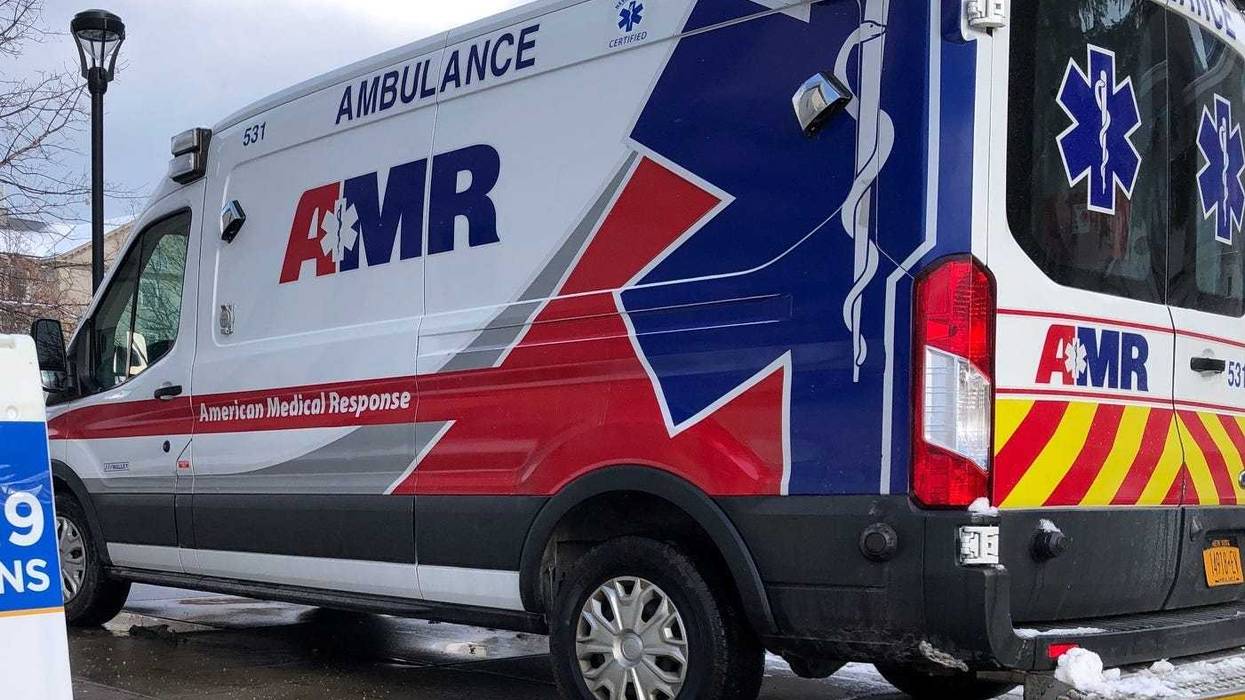

Buffalo, N.Y. (WBEN) - A month after Fillmore District Councilman Mitch Nowakowski penned a letter to American Medical Assistance (AMR) addressing pressing concerns regarding response times in the City of Buffalo, the ambulatory service has sent its response letter to members of the Common Council.
Nowakowski's letter to AMR comes after he and other Buffalo lawmakers received numerous reports from constituents and businesses indicating that individuals experiencing serious medical emergencies have faced response delays of over an hour or, in some cases, no service at all.
AMR is the primary ambulance provider in the city, and the company has been serving the Western New York community for over 64 years. However, AMR has been operating without a contract with the city since March 2021.
In the response letter received on Monday, AMR Regional Director Timothy Frost says the company has enjoyed a positive partnership with the City of Buffalo, and will continue to "meet the ever-changing emergency medical and medical transportation needs of the community that we serve."
"Despite operating without a contract for nearly four years, AMR continues to provide emergency medical and medical transportation services in good faith to the City of Buffalo," wrote Frost in the letter to city lawmakers. "Since October 2021 AMR invested more than $5.2 million in EMS enhancements to improve service delivery to the City of Buffalo. These enhancements represent innovative best practices, and were implemented without any tax subsidy or financial support from the city."
AMR says the challenges of EMS response times in the City of Buffalo continue to be compounded by inappropriate ambulance requests and hospital delays.
"Each day in the City of Buffalo, there are approximately 40 low acuity calls, many of which would be more suitable for an alternate transport solution such as Lyft or Uber. These calls strain the EMS system, and take resources away from true medical emergencies," Frost noted.
Despite the challenges, Frost continues by saying AMR Western New York's response times remain within industry standards.
"From July 1, 2023, through June 30, 2024, the average response time of an AMR Advanced Life Support (ALS) ambulance to life-threatening emergencies was 9 minutes and 21 seconds. The average ALS response time to a non-life-threatening emergency was 10 minutes. And the average Basic Life Support (BLS) ambulance emergency response was 10 minutes and 25 seconds," Frost said.
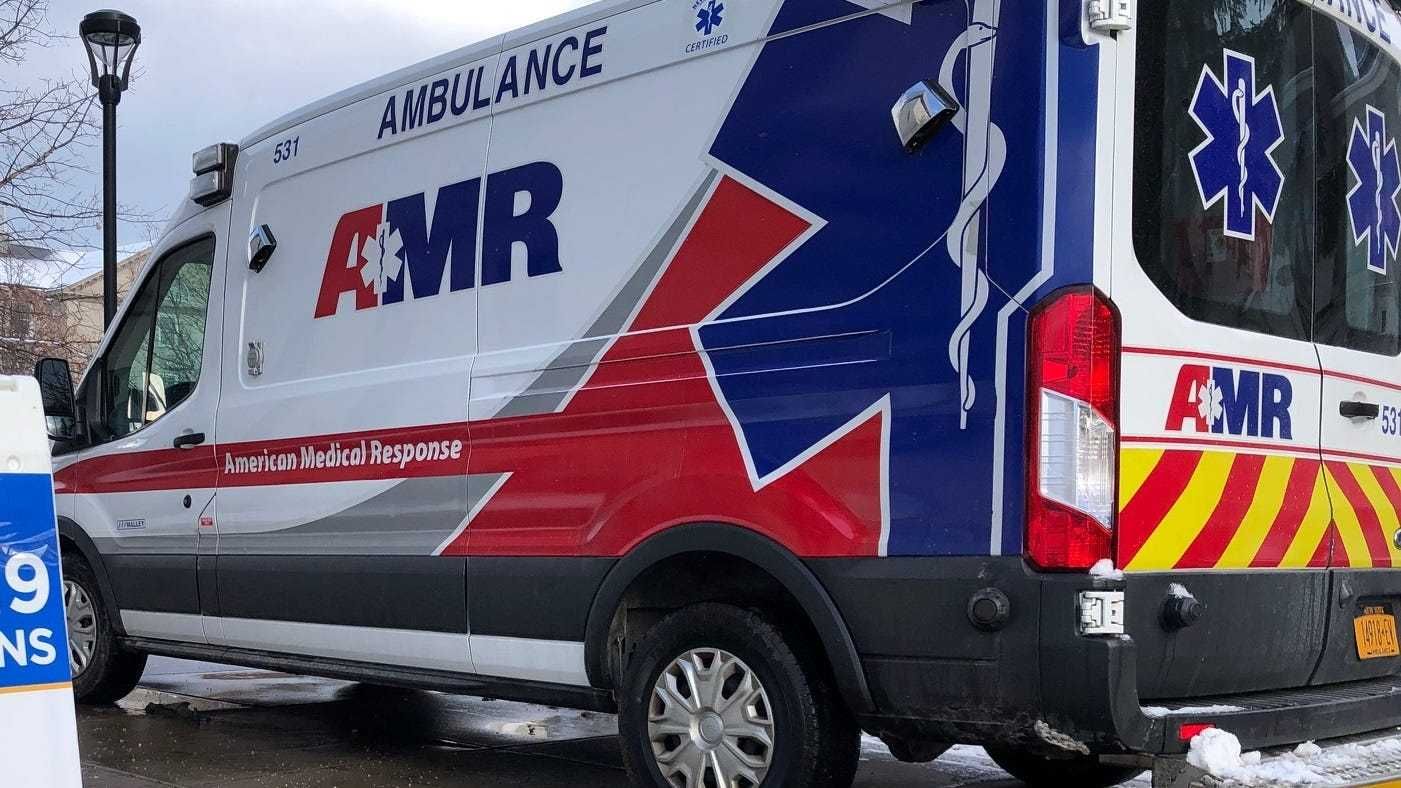
Despite being in Chicago for the Democratic National Convention as a local delegate, Nowakowski told WBEN on Wednesday he has reviewed the letter received from AMR, and is pleased to begin dialog on this important topic.
"The fact of the matter is we have to get down to the brass tacks of the problems, because they identify a lot of issues. Not only staffing, wages and people inappropriately using the ambulances for non-emergency calls, but it seems a little bit where they acknowledge these problems existed and I want to see how they're going to fully correct it," said Nowakowski. "They did acknowledge that these issues do exist, and they point to an average time, a national average time. I really want to know what is Buffalo's time, not to just deflect and go to what the national average is."
Nowakowski believes it's also time to have a real conversation about what emergency responders are being paid.
"You cannot have emergency responders making $18, $19, $20 an hour nowadays, where minimum wage could be almost competitive. That's just ridiculous," he said. "And emergency responders are responding to serious emergencies, oftentimes under difficult circumstances, and working many shifts. And these people are providing critical care to people before they head to the hospital. It's about time that we start having a well-rounded conversation about how we can change this."
When it comes to working without a contract, Frost says AMR has not received any material revisions or questions about a drafted agreement to initiate negotiations on a new ambulatory contract with the city, at Fire Commissioner William Renaldo's request. Despite that, AMR says is has been, and continues to be eager to discuss a shared vision for emergency medical services in the City of Buffalo.
Nowakowski feels a lack of a response from Commissioner Renaldo is wrong.
"The fact of the matter is you have to have a contract to be able to hold people's feet to the fire. So I will be asking the Fire Commissioner to attend the committee hearing Sept. 10 to address, why are we working without a contract?" Nowakowski said.
In his closing remarks with the letter to AMR back on July 19, Nowakowski requested representatives from AMR to be in attendance and speak on the matter during the Finance Committee meeting scheduled for Sept. 10 at 10 a.m. ET. He also asked for relevant documents and statistics to be provided ahead of the meeting to facilitate a comprehensive discussion.
Frost says the company is looking forward to attending the meeting.
"We look forward to presenting our thoughts, including enhanced performance data, in a comprehensive manner to the Buffalo Common Council Finance Committee on Sept. 10," he wrote. "AMR remains committed to serving our neighbors in this community and is open to negotiating a new services agreement at any time."
In addition, Frost is inviting all Common Council members and other community leaders to visit AMR's operations.
"This approach provides AMR with the opportunity to research specific calls or areas of concern so that we can provide more context or, if applicable, identify gaps in expectation and detail on how we will improve in the future, in real time," Frost said. We take our commitment to the City of Buffalo seriously and would be happy to discuss your comments or concerns at any time."
As for Nowakowski, he's pleased with the overall response to AMR's response letter to the Common Council.
"I believe this is a letter that has been issued in good faith, and I really look forward to getting to honest conversation, and getting down to the problem and coming up with ways and how we can change the issues at hand, that emergency responders are dealing with around the country," he said. "We need to work on a contract as well, and I believe you have to start somewhere. I do believe this is a good start."