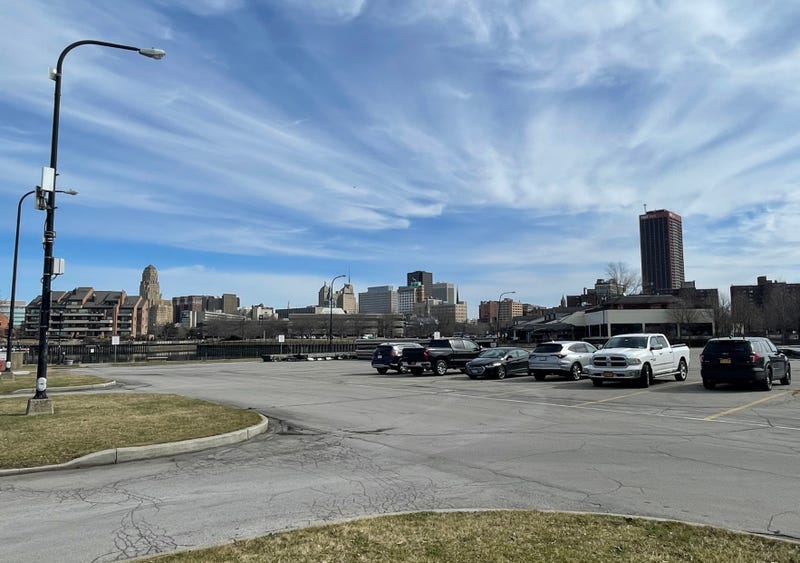

Buffalo, N.Y. (WBEN) - Two weeks ago, the Buffalo Common Council took the first step towards creating a progressive tax on privately-owned lots that are sitting vacant and abandoned in the City of Buffalo.
City lawmakers like Niagara District Councilman David Rivera are hopeful this progressive tax could serve as a spark to get privately-owned vacant lots developed, or sold to someone looking to develop those properties.
"We have 7,000 vacant lots or more, some of them are privately owned and some of them are city-owned. The City of Buffalo is responsible for removing snow, policing, cleaning, the squatters removing junk off the lots. And so we're saying, 'Hey, if you own these lots and you're not putting them on the market and they're just sitting there for an extended period of time, there's going to be a progressive tax,' for the reasons I had mentioned. We're providing a certain service, and we have to pay for those services," said Rivera in an interview with WBEN.
The proposed tax is set to go to the city's law department to be written up so it's to form before it is approved. Then Council members will canvass the law before it is presented to the new administration coming in to the Mayor's Office to see how it may fit with their planning.
"Right now, the way it stands, it depreciates the value of the neighborhood just being there. Abandoned, a place for blight, a place where people do wrong things," Rivera said. "Now we're saying, 'Hey, let's develop these lots. Let's put them on the tax rolls. Let's build infill housing on them. Let's develop them for something, put them back on the tax rolls, back into the community.' That would enhance the quality of life for the City of Buffalo, and it will also put money in our coffers to operate the city."
Rivera is hopeful a vote on the proposed property tax will go to vote sometime in early 2026.
Related
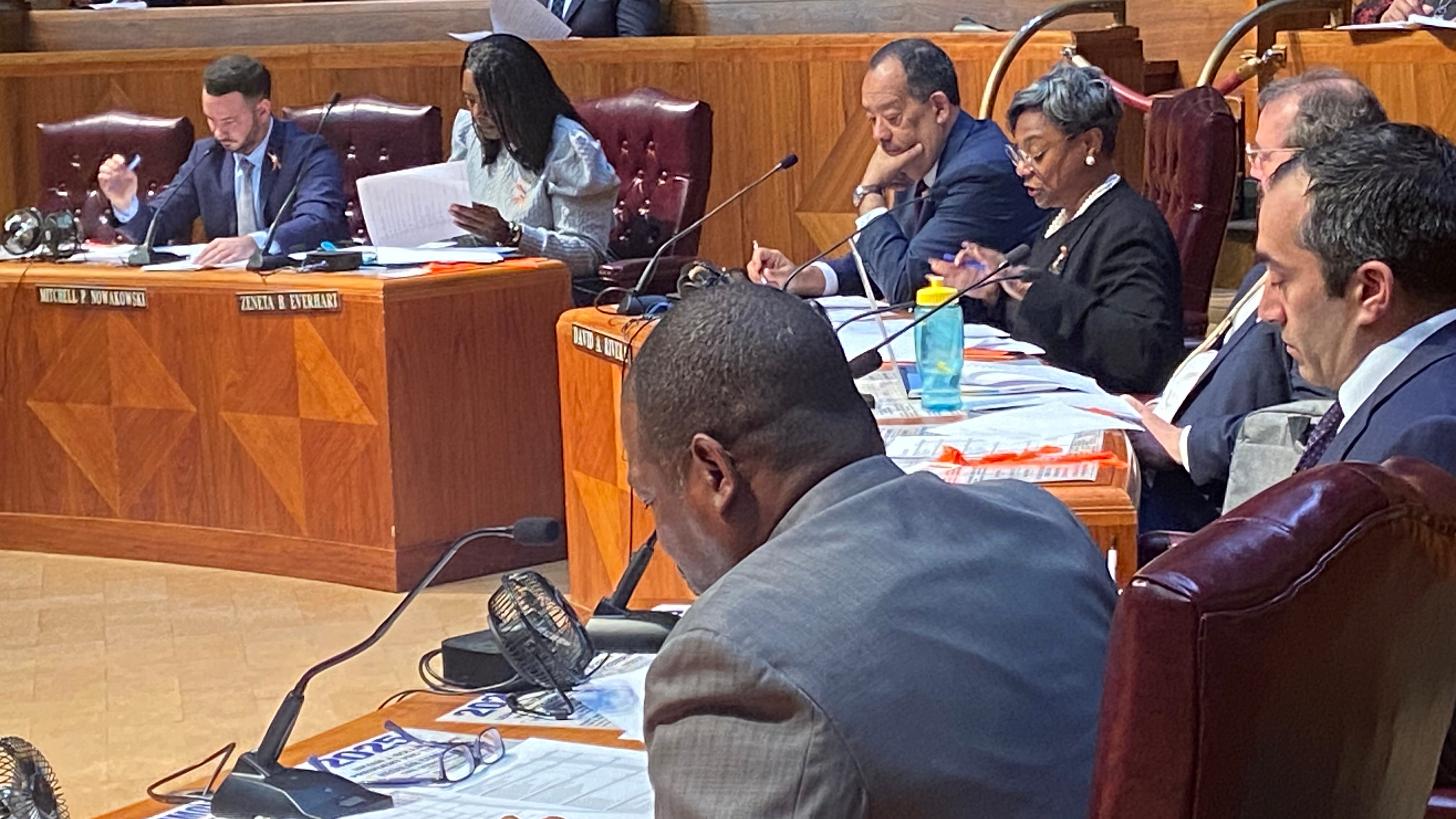
Fillmore District Councilman Mitch Nowakowski knows this proposal will be as effective as the city makes it.
"If we're aggressive and we collect those extra taxes and putting pressure onto those owners, that's ultimately how the functionality of it will work," said Nowakowski with WBEN. "When you drive down our city streets, you'll see vacancy, blight and abandonment. The fact is somebody, an actual person, owns those structures, and it's oftentimes in a Council office and in City Hall where we're getting the calls for 3-1-1s, 9-1-1s, board and seals, cleanups, police services. That's an expense to the city."
Nowakowski believes now is the time to hold people accountable so that people can no longer sit on vacant land for 20-to-30 years, only to claim it as a loss on their taxes and then inflict blight on everybody else in the community.
"Having a progressive tax is going to make it not convenient for you to sit on your properties that are vacant and abandoned. And to not be able to have those that own vacant lots that aren't doing anything on it, and then essentially extorting us for a significant amount of money for a vacant parcel so that we can make large projects work," Nowakowski noted.
From his initial reaction, Nowakowski feels the incoming administration led by Mayor-elect Sean Ryan are supportive of such a tax.
I think it comes to a point where we can't make it convenient for people to hold on to properties in disrepair or vacant, and the new administration is looking to up its enforcement and to get investment in the city," Nowakowski noted. "The fact is our housing market is skyrocketing here in the City of Buffalo. My own housing assessment has doubled, almost tripled by the time I purchased it in 2018. Our value on our land is worth something, and so long are the days where we're going to allow you to sit on your lot or your property that you got from the city auction for a $1 or 500 bucks. It's now time to hold people accountable, to step up and invest in our neighborhoods."
However, some landlords in the City of Buffalo are hoping to get some other questions answered of lawmakers, when it comes to those who are responsibly taking care of their properties.
"I don't understand how some properties are allowed to get into disrepair to the point [of], 'Let's tear them down. Let's put a special tax in place,'" said Larry in North Buffalo with WBEN's Joe Beamer. "I own these properties. I've had citations from the city because the paint on the side of my building was peeling. I've had multiple city inspectors coming out, looking at what I'm doing, coming in, inspecting the inside of my properties. This is all new rules. Why aren't these properties that are in disrepair subject to the same rules and regulations that the people that pay their taxes on these properties, like myself, and keep them in repair, do? Why is there a difference?"
Larry feels the city needs to abide by the rules already in place and stick with them universally, and not on an ad hoc basis, based on whoever owns the property.
"If there's property tax unpaid, if there's a fine unpaid, that property should go into remission, and the city has a period of time where they contact the landlord. If it doesn't get addressed, the city can take the property over and do what they want with it," Larry expressed. "I have bought properties in rem auctions from the city, and refurbished them, rebuilt them, refurbished them and rent them out. The rules are there. I don't know that we need a new set of rules.
"I drive by some of these properties, why are they in such a state of disrepair? Because those rules are not being applied universally across the board. And if they were, these properties would be up for auction and they would be sold to somebody that wants to do something with it and the city doesn't have to deal with it. That's how they've dealt with this in the past. I bought properties from in rem auctions from the city and and done what's needed to to. Fix them up and make them viable."