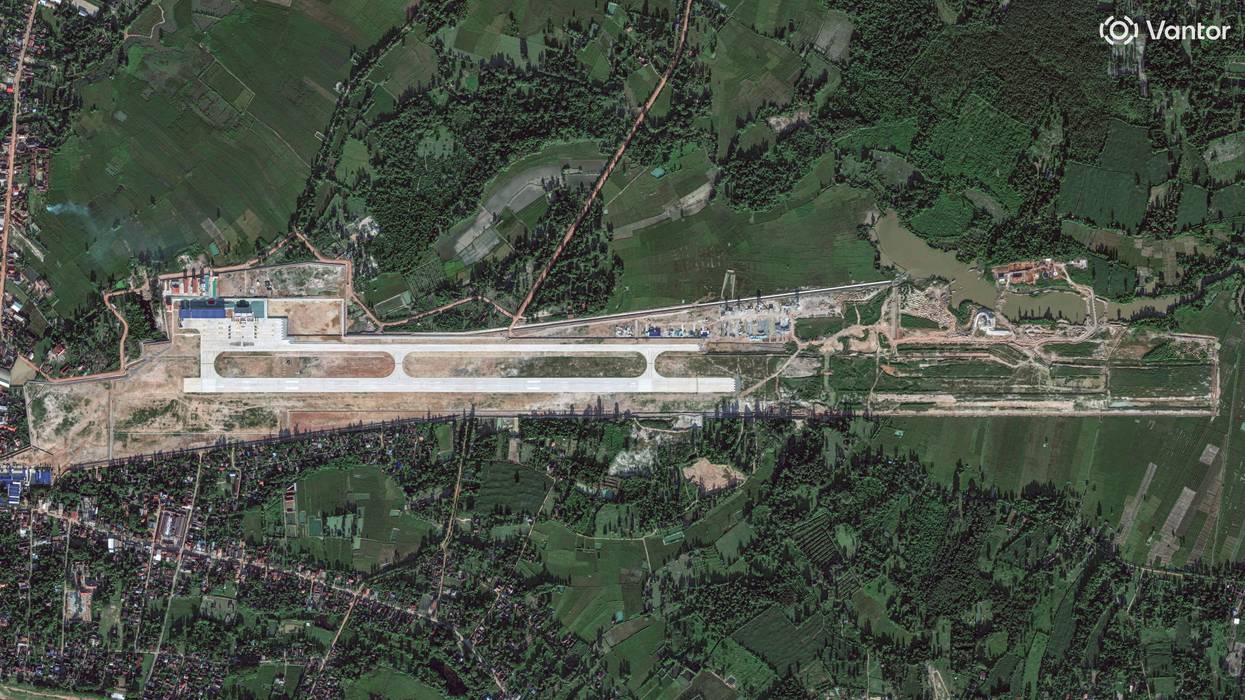



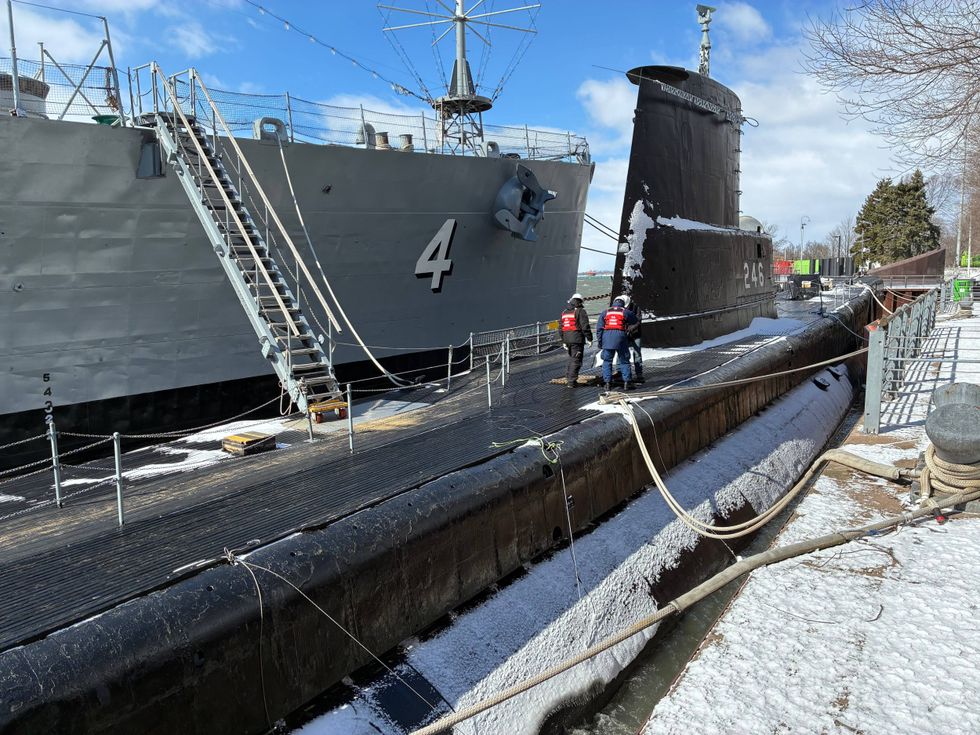
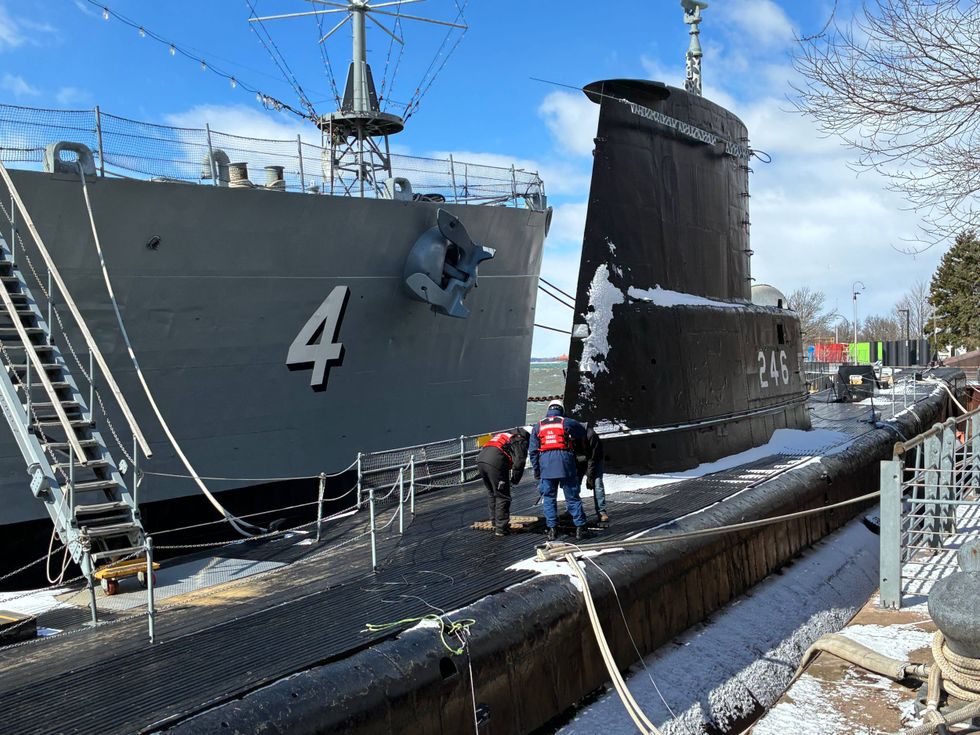
Buffalo, N.Y. (WBEN) - A coordinated multi-agency response by the New York State Department of Environmental Conservation (DEC), United States Coast Guard, the City of Buffalo, and the Buffalo Naval Park is officially underway in it's second day to protect the Buffalo River, while stabilizing the USS Croaker and USS The Sullivans - two historically and culturally significant vessels.
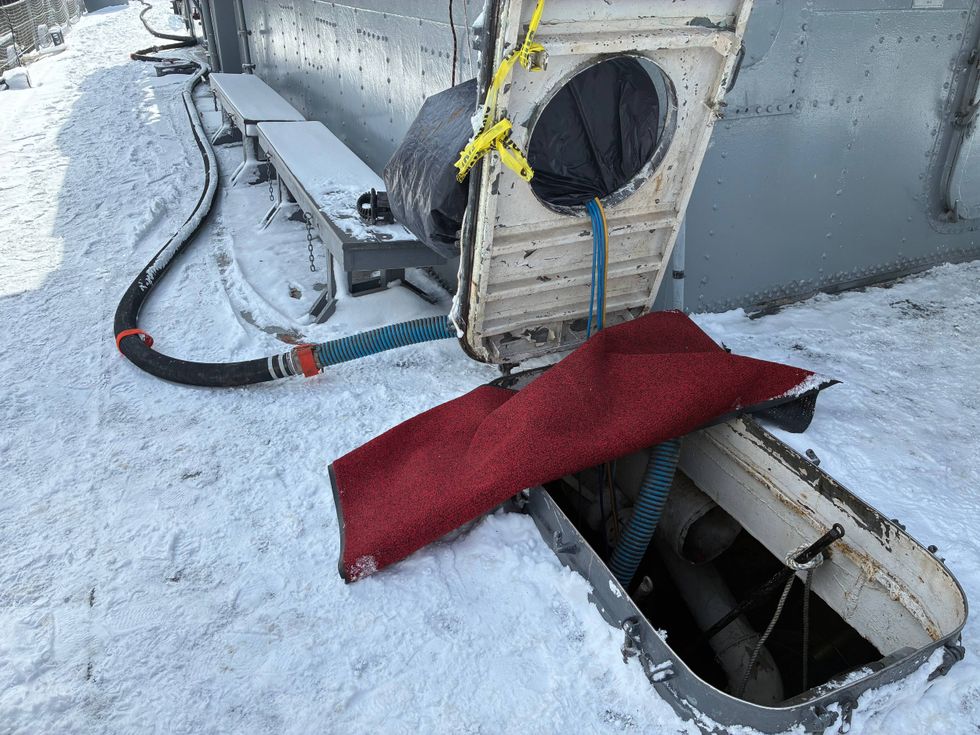
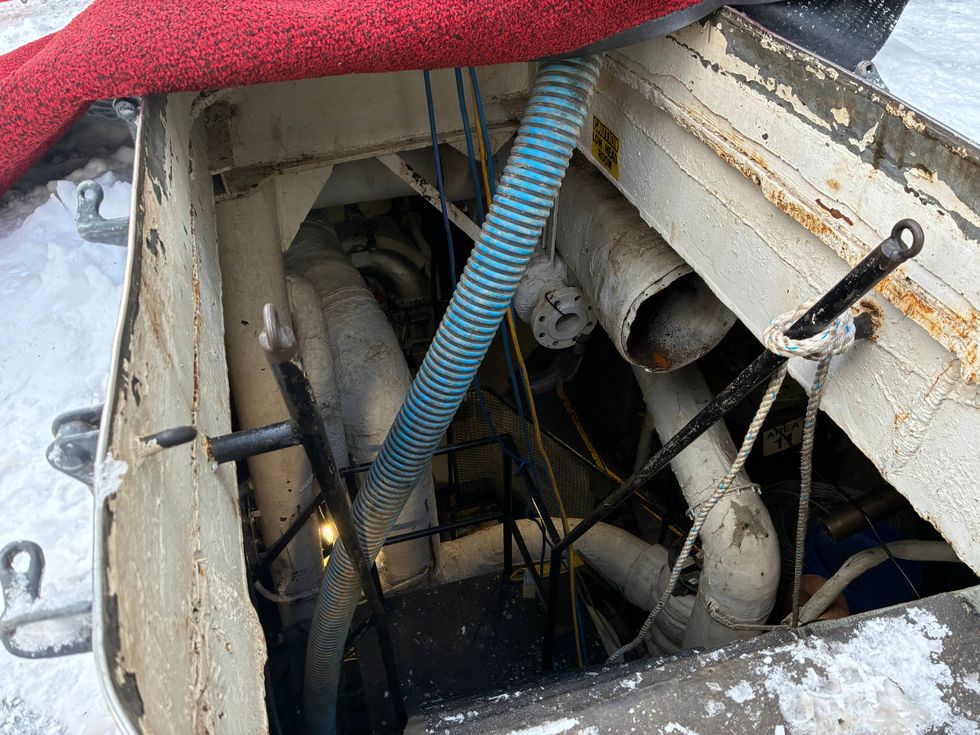
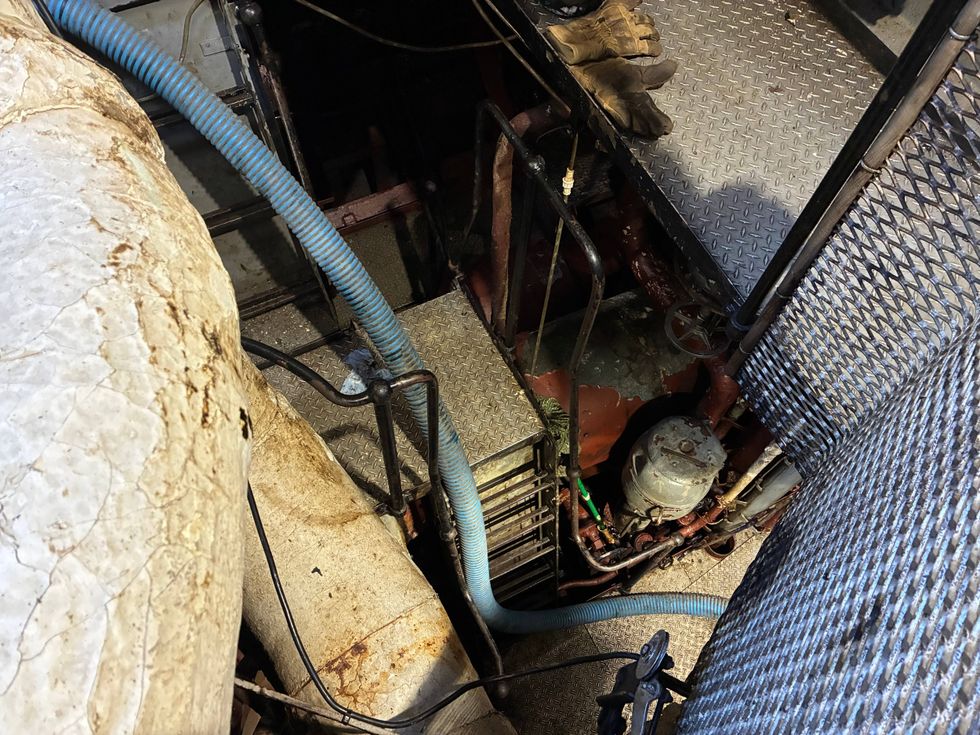
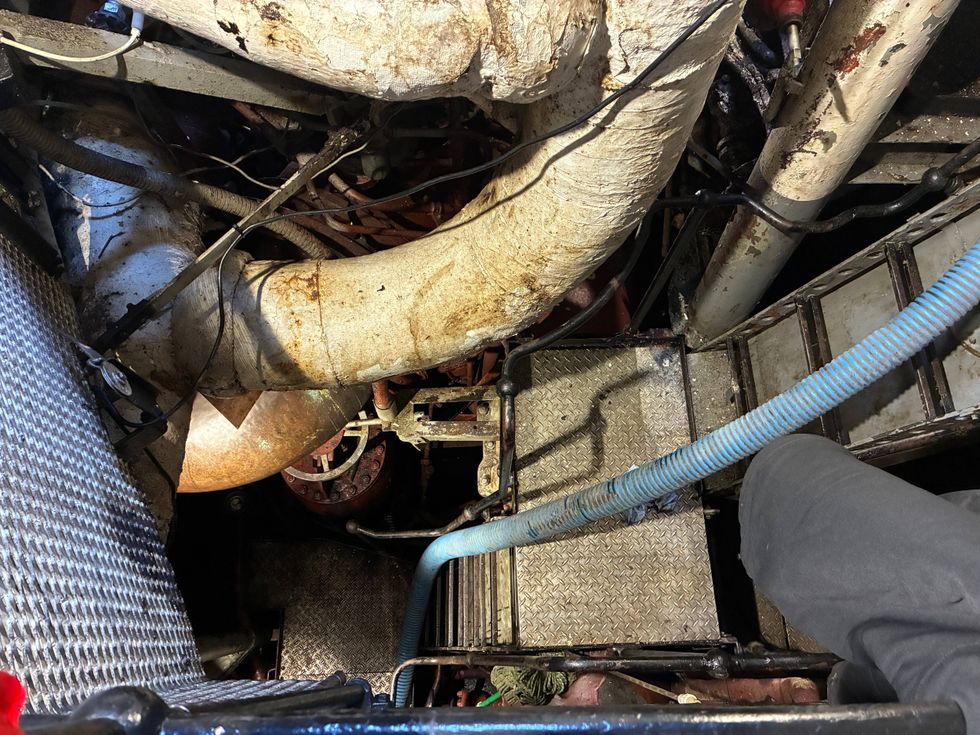
The response is focused on the safe removal and treatment of legacy residual fuel products typical of historic naval vessels, along with stabilization measures required to manage contaminated water accumulation and support vessel integrity.
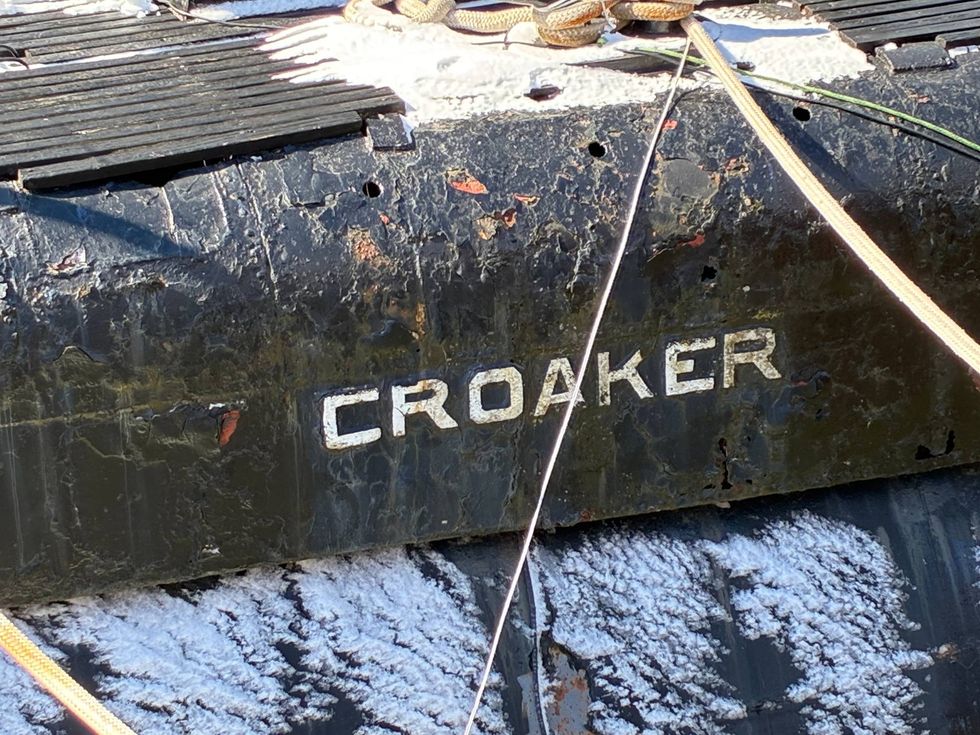
It was recently discovered that a pinhole in one of the fuel tanks aboard the USS Croaker and water incursion on USS The Sullivans have created two potentially hazardous threats to the environment. There remain no reported impacts to wildlife from the intermittent petroleum releases.
The launch of Operation Preservation on Monday represents a critical early phase of the broader preservation program for the Naval Park's historic fleet.
Operational planning and resource mobilization began last week, including staging treatment infrastructure and frac tank systems to support controlled pumping, storage, and processing of the oil-water mixture from both ships. The effort is expected to involve the management and treatment of residual fuel materials that have remained aboard the vessels for decades.
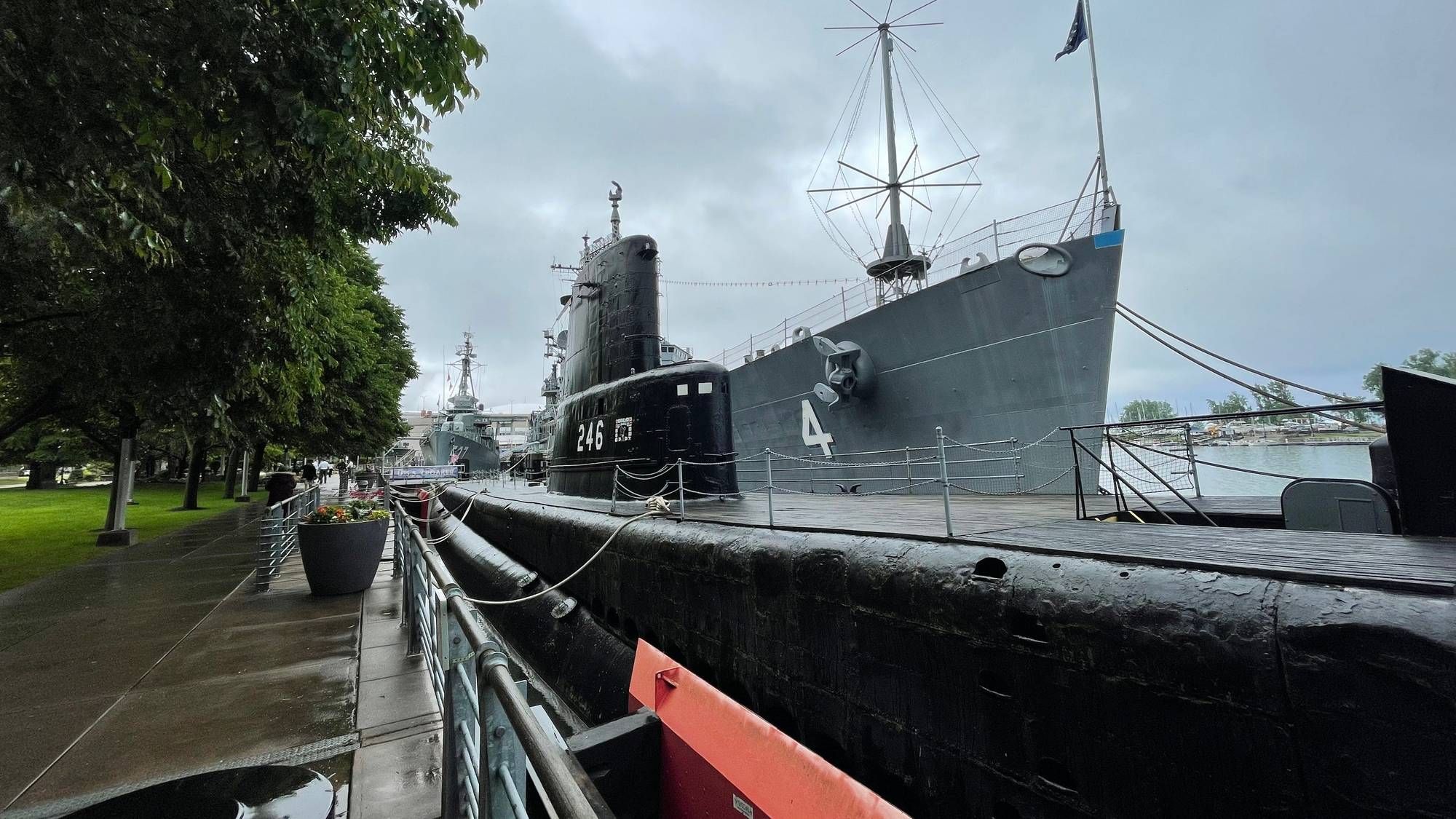
The USS Croaker holds an estimated 25,000 gallons of diesel fuel and potentially 115,000 gallons of oily water onboard. The remediation plan involves pumping the oil and water from multiple onboard fuel tanks. Once off-loaded, the stern of the USS Croaker is projected to rise approximately four feet, which will place the level of perforations in the hull above the waterline and allow the vessel's transport.
A similar project involving the USS Silversides, a Gato Class submarine and museum in Michigan, was completed successfully several months ago. The project manager from that endeavor was on-site in Buffalo to offer technical assistance.
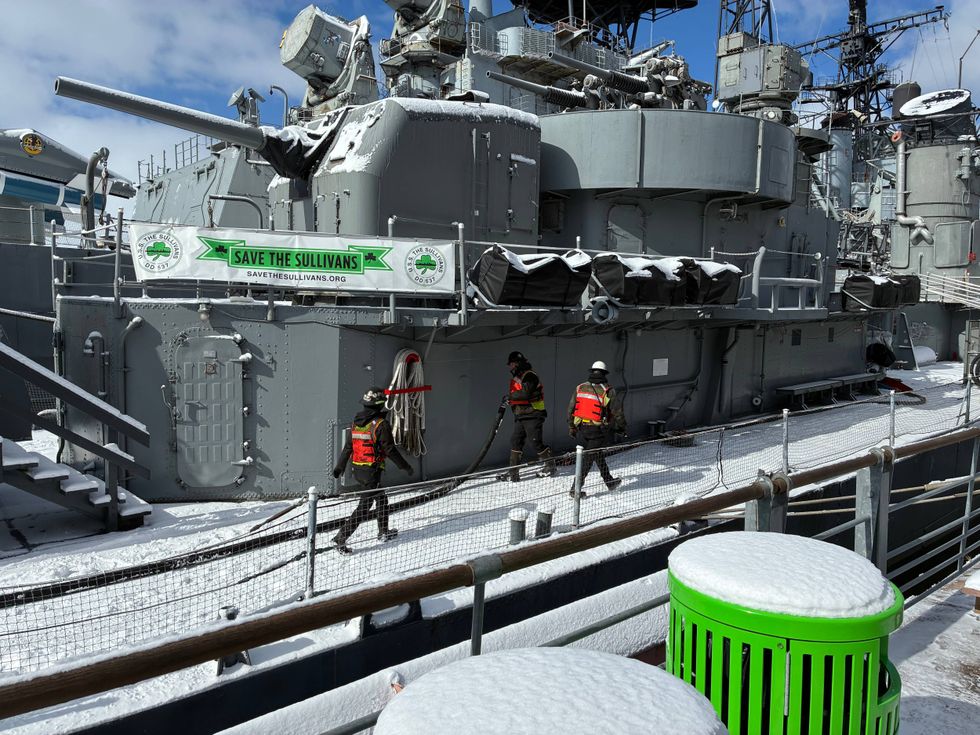
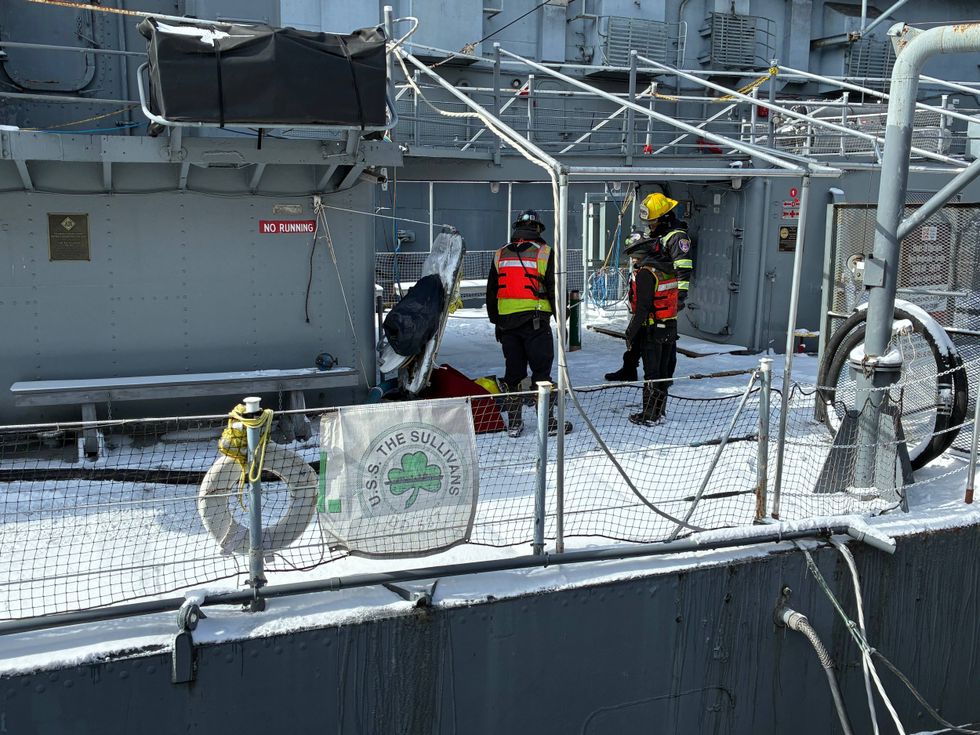
The USS The Sullivans holds potentially 30,000 gallons of oily water on board. A consulting naval architect will direct the progress of the work to off-load the oily water in order to ensure the balance and structural integrity of the USS The Sullivans is maintained. Approximately 15 tons of water jeopardizing the structural integrity of the vessel's hold is anticipated to be off-loaded daily.
A separate crew will work to plug leaks in the hull of USS The Sullivans once an area is cleared. DEC is collecting the oil from the vessel and will recycle it. The recovered water will be off-loaded into portable storage (frac) tanks for appropriate treatment.
Work to both vessels is expected to take approximately three weeks to complete.
Both vessels will be transported along Lake Erie to Donjon Shipbuilders in Erie, Pa., where dry dock repairs will take place to ensure to help save the two vessels and their historic legacy. It is not known at this time when the exact transport of both vessels will take place.
The cleanup is being funded through commitments already included within the established public funding framework supporting the ships' preservation. Using DEC contractors provides operational flexibility and allows the work to proceed on an accelerated timeline while maintaining local coordination.
 Brayton J. Wilson - WBEN
 Brayton J. Wilson - WBEN
 Brayton J. Wilson - WBEN
 Brayton J. Wilson - WBEN
 Brayton J. Wilson - WBEN
 Brayton J. Wilson - WBEN
 Brayton J. Wilson - WBEN
 Brayton J. Wilson - WBEN
 Brayton J. Wilson - WBEN