


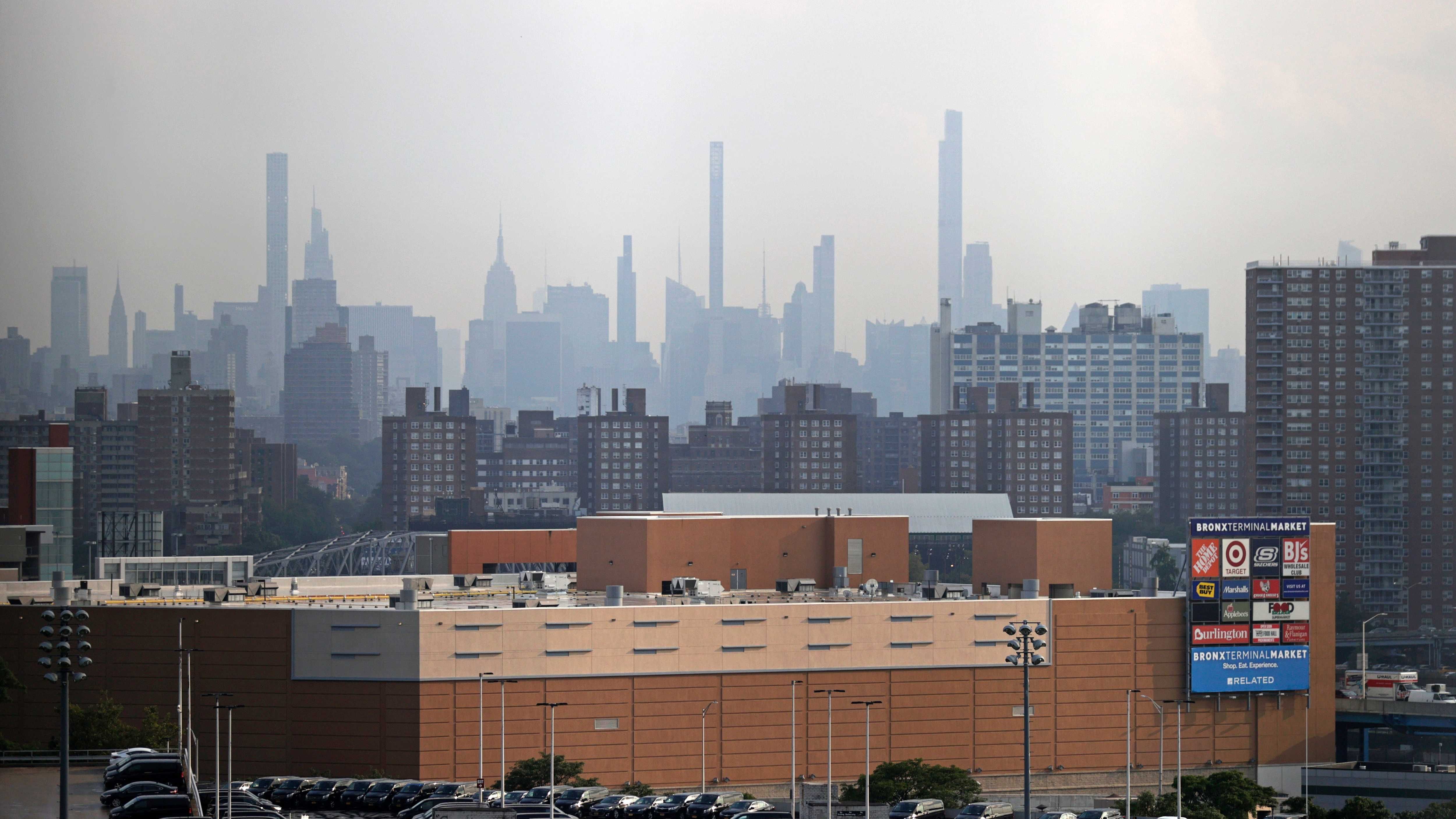
BUFFALO, N.Y. (WBEN) - Have you noticed how hazy it's been in the region lately?
The wildfires from the west coast have had a small impact on the air quality in Western New York, but it's nothing you should worried about from a health standpoint.
"It's not dangerous," Heather Kenyon, a meteorologist with the National Weather Service, said. "We're seeing that smoke come from the west due to the upper level winds."
New York State earlier this week issued an Air Quality Health Advisory because data showed the smoke is extending to the ground levels because the fires in Canada are relatively close to Buffalo compared to fires in California and other western states in recent years.
"It's on the edge of concern," Stephen Vermette, a professor of geology and planning at Buffalo State College, said. "Most of what you'll see is a haze. Most people don't feel it but there is that haze. The elevated fine particulate matter is always a concern for people."
There are more than 60 large wildfires burning in the United States and another 200 burning in Canada.
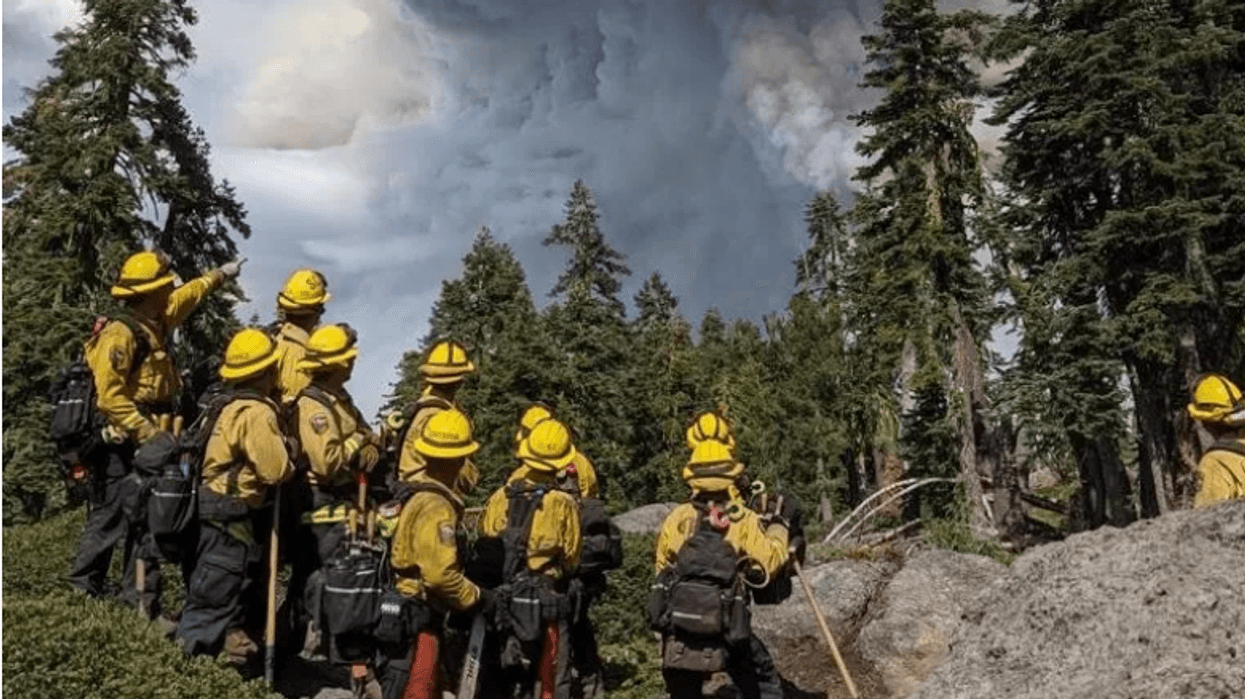
Smoke from wildfires in the western U.S. and Canada is blanketing much of the continent, including thousands of miles away on the East Coast. And experts say the phenomenon is becoming more common as human-caused global warming stokes bigger and more intense blazes.
Pollution from smoke reached unhealthy levels this week in communities from Washington state to Washington D.C.
Get used to it, researchers say.
"These fires are going to be burning all summer," said University of Washington wildfire smoke expert Dan Jaffe. "In terms of bad air quality, everywhere in the country is to going to be worse than average this year."
Growing scientific research points to potential long-term health damage from breathing in microscopic particles of smoke. Authorities have scrambled to better protect people from the harmful effects but face challenges in communicating risk to vulnerable communities and people who live very far away from burning forests.
Vermette believes the haze will only stay in Western New York for the short term.
"It's not extremely high concentrations but it's worth nothing," he said. "I remember being out west during these fires and the sun was almost not visible. You could sense and feel the heaviness in the air. We're not going to get that here."
He said there was an incident in the 1950s where the sky briefly turned black, prompting concerns at the time there was an atomic bomb which went off in Canada. Hear him talk about that in our interview.