



Buffalo, N.Y. (WBEN) - The United States has seen a pair of mass shootings that has shook the country as a whole, while greatly affecting the communities in Buffalo, New York and Uvalde, Texas.
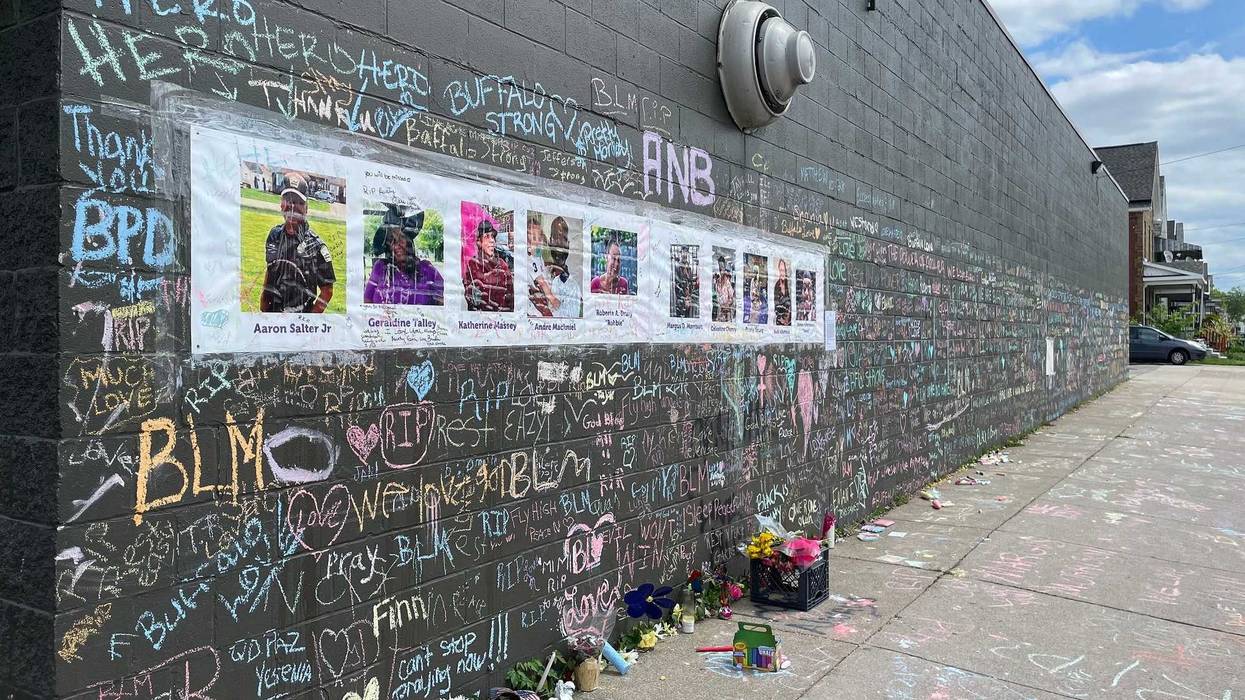
Back on May 14, an 18-year-old White male traveled more than three hours to a Tops Friendly Market on Jefferson Avenue in Buffalo to carry out a racially motivated shooting that killed 10 Black people.
Then just one week ago, another 18-year-old male went to an elementary school in Uvalde and killed 19 children and two teachers before being killed by authorities.
Over the last 10 years, a number of the country's deadliest mass shootings have been carried out by young males ranging from ages 17-to-21. A total of seven of those mass shootings have occurred, with the youngest being a 17-year-old shooting at Santa Fe High School in Texas, and the oldest being 21-year-olds in Boulder, Colorado and El Paso, Texas.
With an alarming number of mass shootings taking place at the hands of these young males over the last decade, and two just in about a three-week span, it raises the question: Why are young men so susceptible to committing acts of gun violence in today's society?
"It's a question that we all struggle with," said Dr. Michael Cummings, Associate Medical Director at ECMC and Vice Chair of Psychiatry at the Jacobs School Of Medicine And Biomedical Sciences. "Males and young males are more likely to commit gun violence, but when you look specifically toward mass shootings, it's hard to do research on these for a couple of different reasons. Until very recently, since about the mid-1900s, there was basically a federal government ban on using CDC funds to do any research that may in any way, shape, or form, advocate or promote gun control. The dollars, on a federal level, simply weren't there for this research. That's changed within the last couple of years.
"But also, the number of female mass shooters is so minuscule - the numbers, unfortunately, have changed very recently as to the total number of mass shootings - but if you look at general statistics - let's say maybe about 127 - since the early '80s, depending on how you define it and there are different definitions, only about three of those were females alone, and two episodes were female and male counterparts. So when the numbers are that small, it's hard to do that type of research.
"What we do know is if you look specifically at female mass shooters, they and their characteristics are much closer to male mass shooters than other women who performed violent crimes. So it's hard, it's multifactorial, but what we do know is there's a lot of gun violence in our country, and the majority of it is performed by males and young males."
Sadly, as long as these incidents have been recorded from a medical perspective, men are more likely to commit violent crimes than women, with the difference nationally being about 75% of violent crimes performed by men versus 25% by women.
According to Dr. Cummings, the gap in gun ownership is not particularly different between men and women, with about 40% of men responding to various surveys saying they own a firearm, with about 22% of women giving the same answer. When it comes to firearm availability in a household, it's about 44% men and 40% women.
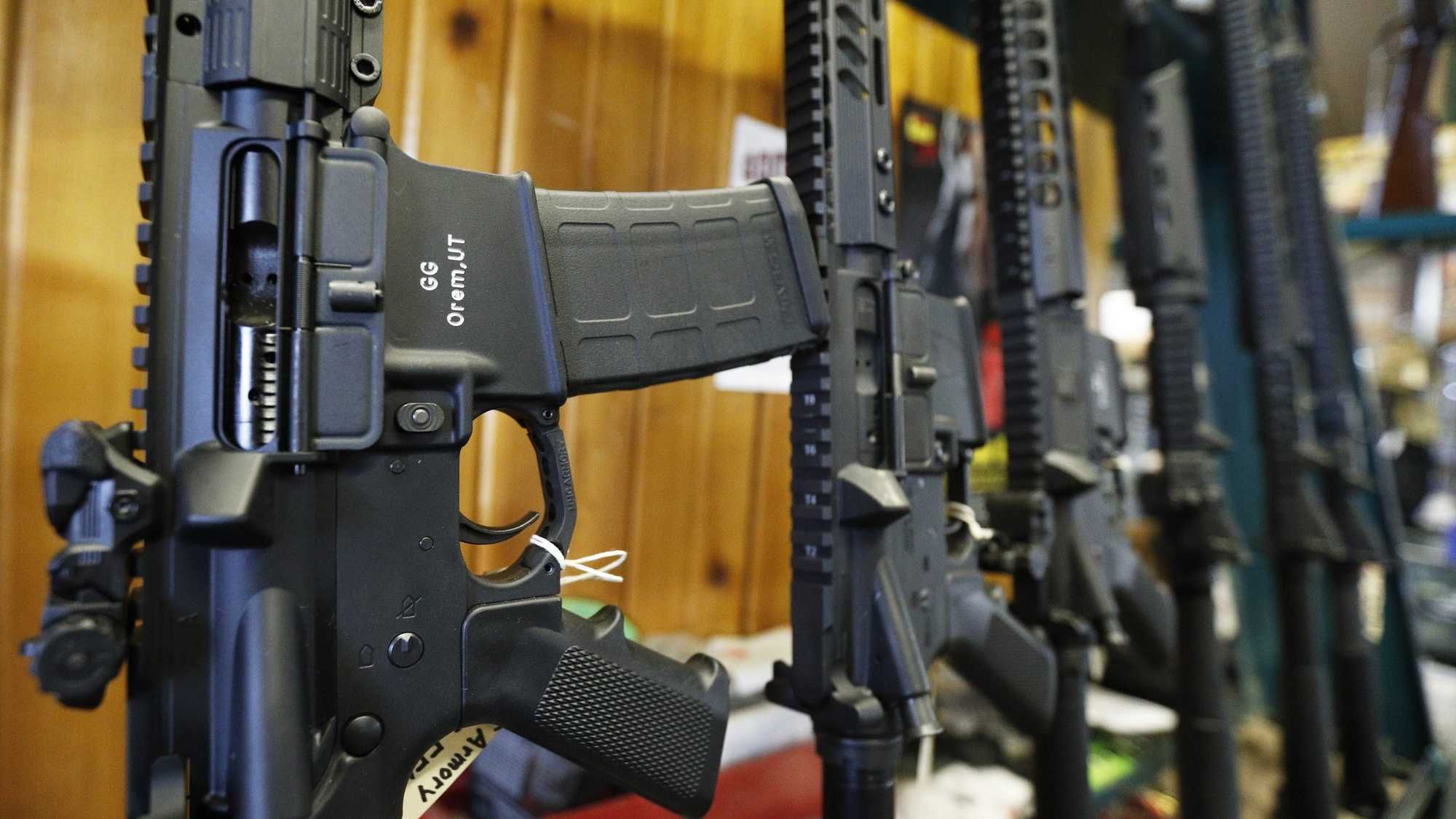
But when it comes to young men committing these heinous acts of violence, Dr. Cummings says there is, in general, a lot more gun violence out there, with the majority of gun violence having nothing to do with mass shootings. Rather, it has a lot more to do with drug use and other forms of criminality.
"If you look at the rates of children and teens, I think it's in our country, approximately every two-and-a-half hours, a child, adolescent or young adult dies by a gun every day in our country. So the mass shooting events are horrific, and they're on TV, and when they come up, we look at and say, 'Wow, look at this, look at this, look at this.' But the reality of it is, gun-related deaths in our children is an epidemic, and has been for many, many years," Dr. Cummings said. "This just brings some unfortunate attention to one specific, and relatively small category of gun-related deaths."
While there are a number of different factors that could make the situation pertaining to mass shootings worse, it may be more concerning for young males especially with the influences of social media, the depth of the Internet, as well as the violent nature of some video games.
In addition to all those factors, one of the possible explanations behind mass shootings with young men is almost all mass shooters have related, looked at, idolized, or studied prior mass shootings.
"If you're looking at someone to emulate and the only people who typically engage in these behaviors are men, then you're going to get more young men who are likely to emulate that," Dr. Cummings said. "The rate of violence towards self or others, bullying and all these other things have certainly gone up over the Internet. When we look at the rates of suicide, rates of suicide have gone up precipitously since the '90s for almost every demographic. Sadly, the one that does not necessarily show a raise is young African American males. That's likely because the rate of homicide in those individuals is so high. But when you look at the highest increase in suicide rates, it's female adolescents from the age of about 10-14, and their spike started in the mid-2000s, which is really when MySpace and then shortly thereafter Facebook began. That's not necessarily cause-and-effect, but it makes a pretty big argument about social media and its influences.
"Then certainly when we have individuals who are despondent, who are lonely, who are angry, who are looking to act out, they do things that they're exposed to and that they see. So you have to have an access to a firearm to engage on these behaviors, but it would be hard to argue that violence on TV, violence in our movies, violence in our video games isn't at least a factor. ... It's not all about video games and Facebook as causes. There's a lot of societal issues, lots of socioeconomic issues, a lot of racism, a lot of things in our country that have probably a larger effect."
So what kind of warning signs can people pick up on when it comes to any sort of threats, whether you're a parent, guardian, friend, or anyone that associates with troubled young men? What can people do to make sure that incidents like a mass shooting are avoided?
"I think if you were to look back at the majority of these cases, and the two [recent] ones... whether it's violence toward others or self harm, at least that has been planned out," Dr. Cummings said. "There will be, and this is not to place blame on families or people who are around these individuals looking backwards, there will be changes in behavior. There will likely be increases in social isolation, maybe increased irritability.
"In some folks - I really want to stress this - the majority of violent crimes and the majority of mass shootings are not by people with serious, chronic, persistent mental illness, although some are. You will often see changes in their behavior, in their sleep patterns, maybe in their substance use. Very typically, social isolation that maybe focuses on a very few small number of things, whether it's white supremacy or some other group. ... You'll see behaviors, they're very difficult to judge and intervene going forward and prospectively.
"What we try and do, regardless of whether we're talking about the risk of violence or just any mental health or behavioral change in our children - changes in sleep patterns, changes of interests, focusing on one thing versus being interested in a host of things, social isolation, irritability, drug use - all these things, while each one of them may not indicate anything, are things as a whole that as parents, caregivers, teachers, we have to pay attention to. There remains a significant stigma for mental health, mental illness in our country, but reaching out early, really, is what we need to do as a family, as parents, and as a society, in general."
Hear more of our conversation with Dr. Cummings in the player below:


