



Buffalo, N.Y. (WBEN) - It has been a brutally cold stretch of winter in Western New York, with temperatures across the region nearly having gone a full month without reaching the freezing mark. That's about to change come Tuesday when temperatures are expected to eclipse the 32-degree mark.
This long stretch of cold weather, along with the potential of a brief thaw period, has local contractors bracing for issues with people's homes.
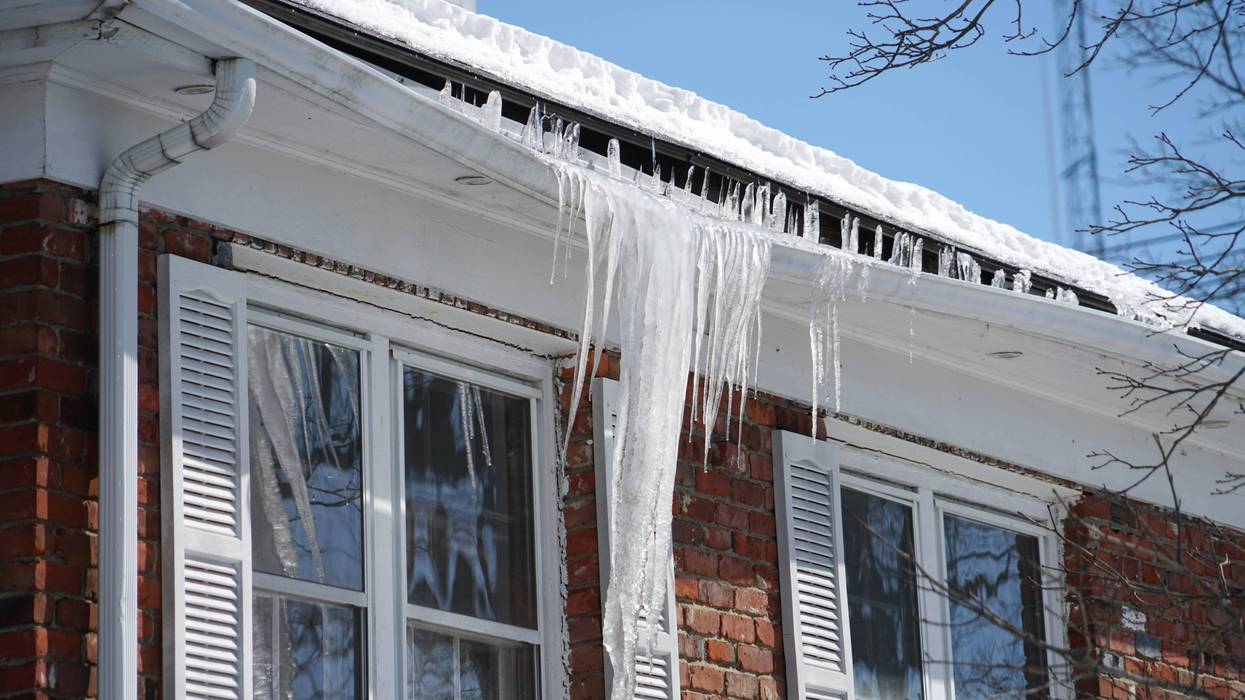
Steve Rott, general manager at William C. Rott and Son says there's a lot of ice building up on the edges of people's homes that comes from the heat loss from their house that melts the snow.
"Then that melted snow comes to the bottom edge, freezes, and that continues on until it becomes a big block of ice," said Rott in an interview with WBEN. "And then the water behind it, that's still coming down from the heat melting the snow, starts to pool where instead of being at the gutter or the overhang, now it's overheated space. That's what's making its way through into some people's homes. It could be pretty disturbing, of course."
Domenic Cortese, president of Cortese Construction Services and host of "Hammertime Radio" on WBEN says as a result of the extreme cold over the last couple weeks, he's seeing conditions that he hasn't seen, in some cases, ever before.
"I just spoke with someone whose patio door won't open because of the heaving of the ground, and they sit on a house that has no basement. The ground is swelling, causing that door to be impeded from operation," said Cortese with WBEN.
Cortese says the ice issues he's heard of continue to pile up, and it doesn't take much for that to happen.
"When the temperatures are as cold as they've been, that exponential rate that the ice will grow is compounded because of the temperature variation between the attic and the outside," Cortese explained. "So when an attic gets warm at all, any heat in the attic at all, you're going to see more ice form. That's what we're seeing this year. So it's truly a relationship to the cold, and the degree of cold that we've seen."
With the temperatures on the rise and a brief thaw period expected, Rott feels some people's issues are only gonna get worse before it gets any better.
"It's gonna flood that as it melts from warmer temperatures, and that can be just the heat loss. And if they already have a problem, it can probably get a little worse or a lot worse," Rott said. "If somebody already has a problem, they might want to see if they can get somebody to remove the snow before it melts and creates that flooding of sorts."
Another problem Rott is anticipating for people is a lot of water at the ground level that will start to melt and leak into people's basements. There's also another increasing problem that Rott has noticed in recent days.
"We just got a couple different calls, people have bath vents with water leaking in them. That's because the heat from those melt the snow right around them, but then they create a little ice dam around those. So another offshoot of the same problem," Rott explained.
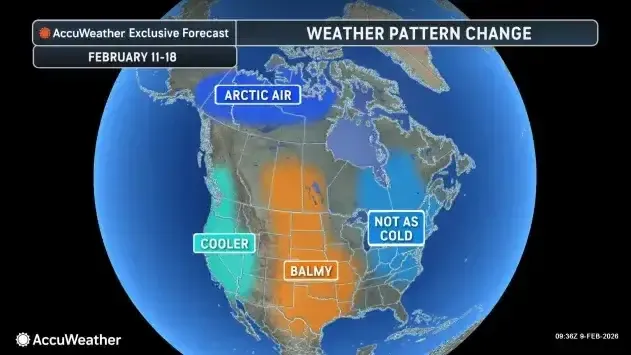
While it's unlikely this thaw period this week will be a rapid one, Cortese says that is the biggest concern with any thaw period.
"If, by chance, we do have a rapid thaw, then we're going to see the trapped ice and water beneath it, infiltrating around shingles. And we're going to see a lot of water infiltration damage as a result of that," Cortese said. "Conversely, if we have a slow saw, then that's less likely to present itself as an issue, because it'll thaw over a gradual period, and Mother Nature will be able to catch up with itself."
So what are contractors advising residents and customers to pay attention to as the temperatures begin to climb and the snow and ice may start to thaw?
"If you've got a problem already, you might really want to give somebody to call. If you don't have a problem, but you have had them in the past when these thaws happen, you might want to give somebody to call. If you don't really have a problem ever, but it's just icicles, on average, I'd say leave it alone and let it play itself out," Rott said. "Icicles can be a pain, maybe drop some ice where you're walking. You can manage that with salt and knocking those icicles away. But if you remove some snow from the roof, you can create problems. So if it's not a problem, for better or worse, it's probably better to leave it alone."
Rott adds in his years of work, he's even created problems where he attempted to move parts of snow, only to move some ice dams and creating more of an issue.
As for Cortese, he says it's really important to take an inventory of what you may be seeing around your house under these extreme conditions, and pay attention to what you're seeing.
"While we may not have these extreme conditions anytime again soon, if ever again, it goes to show you what your house has to go through when we do have extreme cold. And perhaps you're missing some things along the way that could help minimize its furtherance from being an issue next time," Cortese noted. "For example, your insulation levels: Ideally, adding insulation and ventilation could help forestall ice formation, and therefore water infiltration as a result of that. Pay attention to heating, because that could indicate inadequate foundation or movement that's caused from that."
Cortese also advises homeowners to pay attention to water drainage or a lack thereof right now with it being frozen.
"When water pools, it can freeze in the winter, and, of course, in the summer, it could leak in. So pay attention to those signs, because they could help you make determinations once we have warm weather, as to how to properly repair this from being an ongoing issue," he said.
One more issue Cortese asks homeowners to be cognizant of pertains to individuals that have water siphon back up sump pumps.
"While they're great and they're reliable and they're dependable, they do fall short in extreme cold, especially if your discharge line is frozen," Cortese noted. "If that discharge line gets frozen, that water that's coming from your water siphon pump will have no place to go, and it could find its way into your basement. That's an enigma based on the cold, but pay attention to how your pipes are rooted. And make sure they're rooted well away from the house and buried, ultimately, to minimize any problems with freezing."