


BUFFALO, N.Y. (WBEN) – One of the most difficult challenges in distributing the vaccine is the resistance many have to taking it.
Roughly 60% of total Americans have received the COVID-19 vaccine, including approximately 70% those age 12 and older. New York fares better than the national average with 65% of residents dosed.
In Buffalo's urban communities like the 14206, 14207, 14025, 14204, 14210, 14215, 14211, and 14208 zip codes, vaccination rates are lower than 50%. There are rural communities locally with a lower percentage than the urban ones. Because urban communities are more densely populated, their vaccination percentage is more impactful to the overall data.
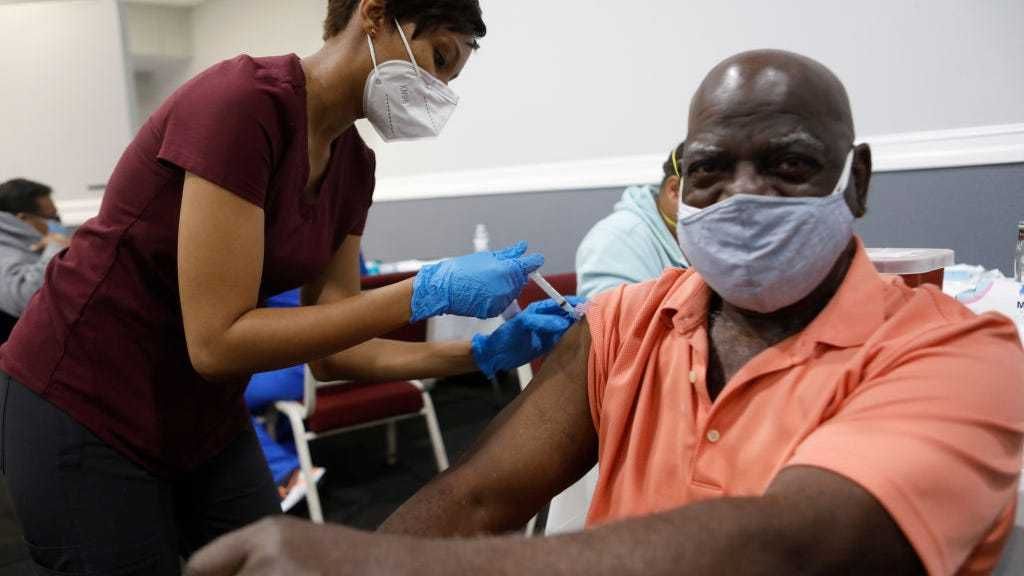
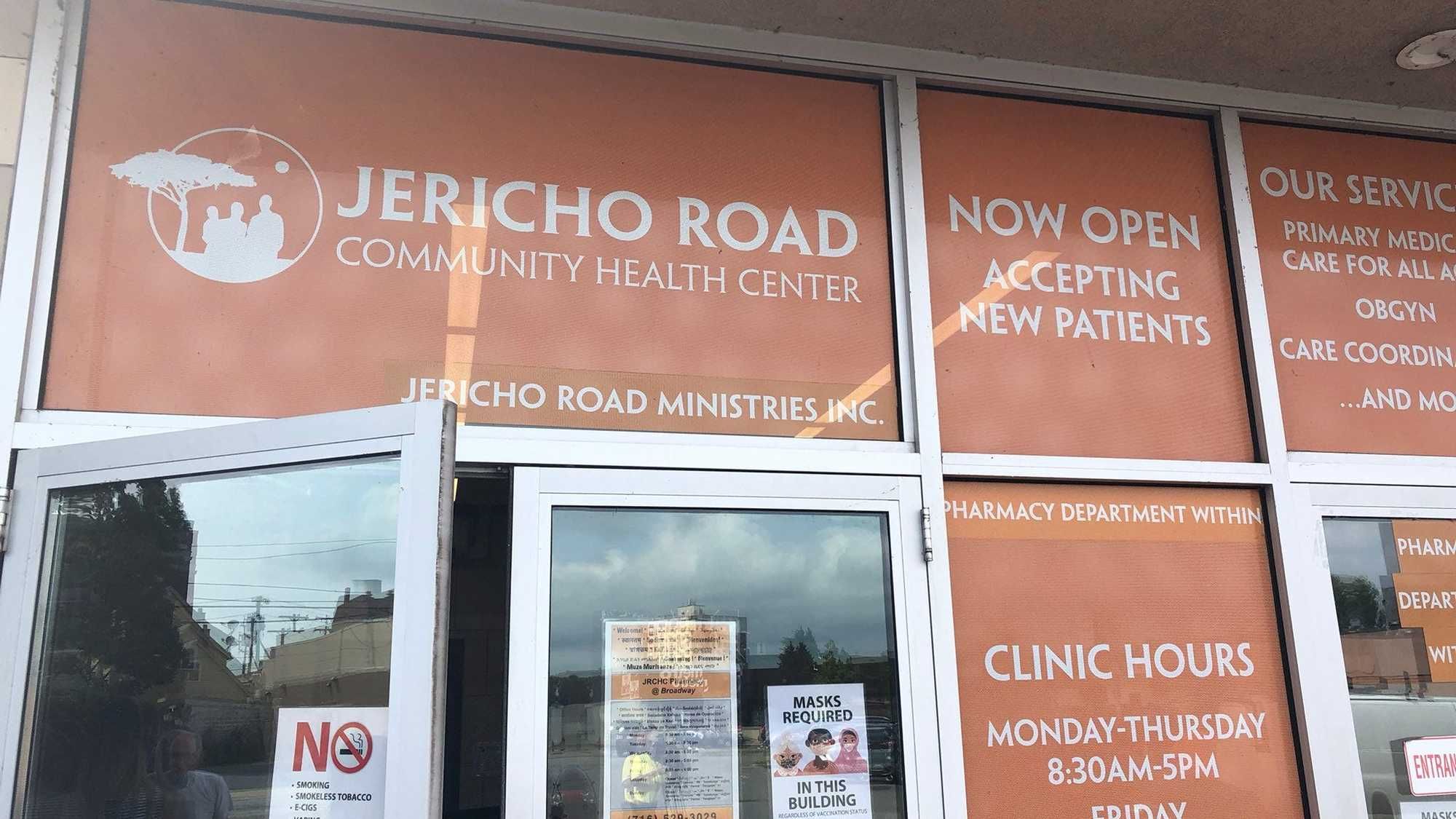
"The hesitancy is real," Dr. Takesha Leonard, Medical Director of Jericho Road Community Health Center's Doat Street location, said. "Part of what I recognize is that we have to recognize it. We can't hold people accountable because they're hesitant. What we need to do is provide education, but you can't do that without building trust in these communities first."
There are ample opportunities to get the vaccine. So why is there still a hesitancy? Leonard said there was never interest before by the government to get the vaccines into Black and brown communities.
"That push came out really early and from people that they didn't trust," she said. "(The message) was 'Get into these communities. Get people vaccinated. Get Black and brown people vaccinated.' The question from my patients was 'Why would they want to do us first? Why would they want us to be vaccinated first? Is it because they want to see what happens to us and they all kind of reach out to the Caucasian, white community'."
But there's also historical factors that have come into play. Eva Doyle, a longtime historian, essayist, and former teacher at Buffalo Schools, was initially hesitant to get the vaccine.
"I still reflected on the Tuskegee experiments and what happened to those 600 Black men," Doyle said. "Some were treated and some were not treated for syphilis and they were not told the entire truth. That was in the back of my mind."
She also thought about the Henrietta Lacks, a Black woman whose cells were used for medical studies without her knowledge, and Dr. James Marion Sims, who was known as the "father of modern gynecology" but was controversial due to allegations he conducted human experiments on powerless, unconsenting women. However, the NIH wrote that modern critics have misrepresented the historical record on Sims.
Doyle eventually chose to get the vaccine after her youngest son did.
"He never put any pressure on me," Doyle said. "…I began to think about it seriously. A couple months after he got the vaccine, I made the decision to do it…I wanted to see my grandchildren. I was concerned because I was not seeing them. One of my grand babies had just been born and I wanted to interact with them. Then I thought about my son. He did it so I thought I should also."
The Delavan Grider Community Center in Buffalo was used as one of the state-run vaccination site. When it initially opened for vaccines, Doyle said there were many white people who weren't from that neighborhood.
"Then, I found out that some of the residents who lived on Moselle, they were asking what's going on over there," Doyle recounted. "They didn't really know that these people were getting the vaccines, so the information had not gone to them and a lot of people were resentful."
Doyle said the key to building vaccine trust in the Black community is to get involved with the church.
"It's always been the Black church who has been involved in these kinds of issues," Doyle said. "The civil rights issue, for example, the abolition of slavery. It always comes back to the Black church. In this crisis and moment, when we're facing this Delta variant, I go back to the Black church…They have a captive audience."
Doyle also called on Erie County Health Commissioner Dr.
Gale Burstein to individually visit churches to answer questions about the vaccine directly to the people.
"We need to see people face-to-face," Doyle said. "One of the things that bothered me when our (soon to be) former governor…when he was doing his weekly updates on COVID, it bothered me that I didn't see a lot of people of color on those panels. He was surrounded by his assistant, this person, and that person. Very seldom did I see people of color and Hispanic people sitting with him also talking to the people. Images are powerful. We didn't see that."
Doyle encourages others to get the vaccine, saying she is listening to the health professionals. Still, she believes it has to be an individual choice and said if there's a mandate, it's going to affect the wall of trust for many in the Black community.