

Buffalo, N.Y. (WBEN) - Where's the sun?
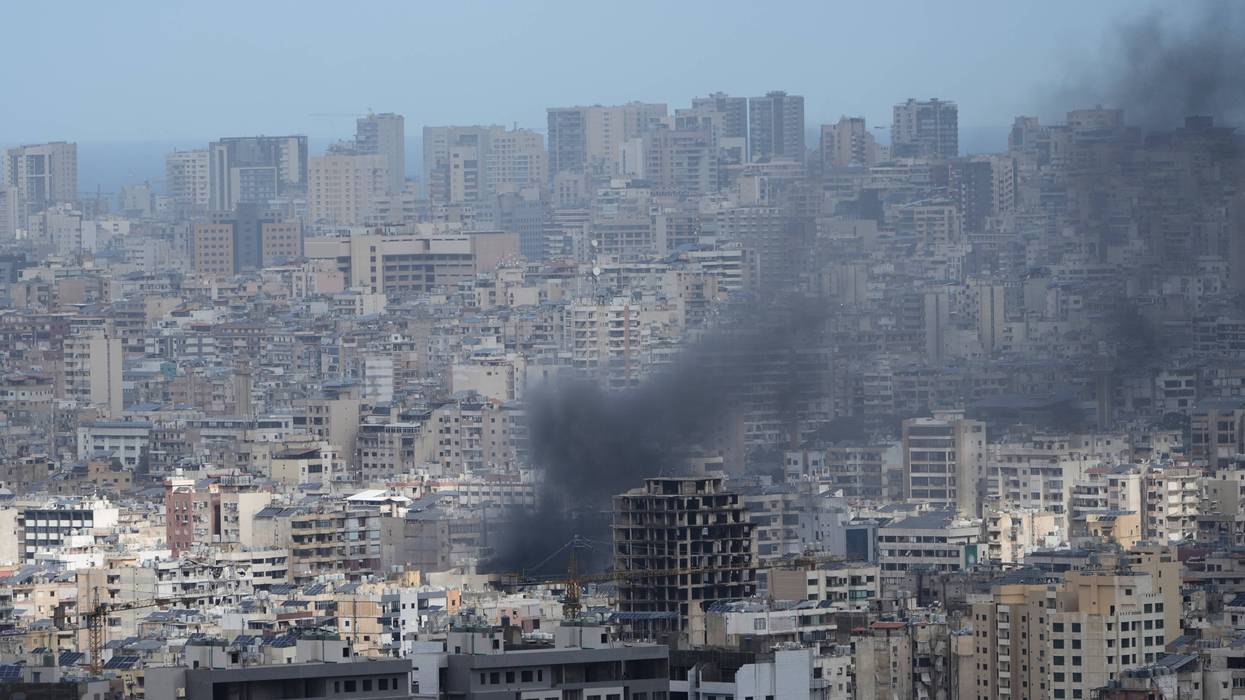
Had it not been for the smoke and haze from an historic Canadian wildfire season, Monday would have been a sunny day across Western New York.
Forecasters at the National Weather Service in Buffalo say elevated and even some near surface smoke will continue to linger, especially the first half of the day.
"Unfortunately we're going to keep dealing with this," NWS meteorologist Jason Alumbaugh tells WBEN. "Today we'll see another day of smoky skies. Tomorrow looks pretty smoky as well.
Alumbaugh says the smoke is more intense as the fires in Canada are closer in proximity to Western New York, dampening the sun's ability to penetrate the atmosphere.
Canada's wildfire season typically runs May through September and is described as 'historic' already, with millions of acres set ablaze already this year and tens of thousands evacuated from compromised or destroyed homes.
"The impacts to air quality have been unprecedented this early in the season when we've mixed in the wildfire smoke with the dust and other pollutants, including ozone at the ground level, during hot stretches across the Great Lakes and Northeast," AccuWeather Meteorologist Dean DeVore said.
Air quality alerts were issued for the Buffalo and Rochester region Monday and are only in place for Allegany County in Western New York along with the Rochester region for Tuesday.
"It's remarkable how much impact this smoke has had so early in the season, making days that are actually below historical seasonal averages and comfortable in terms of humidity, look like a hot and humid mid-July or August day," DeVore added.
"For the foreseeable future, at least this week, we're still stuck in this same, consistent pattern," said Alumbaugh.