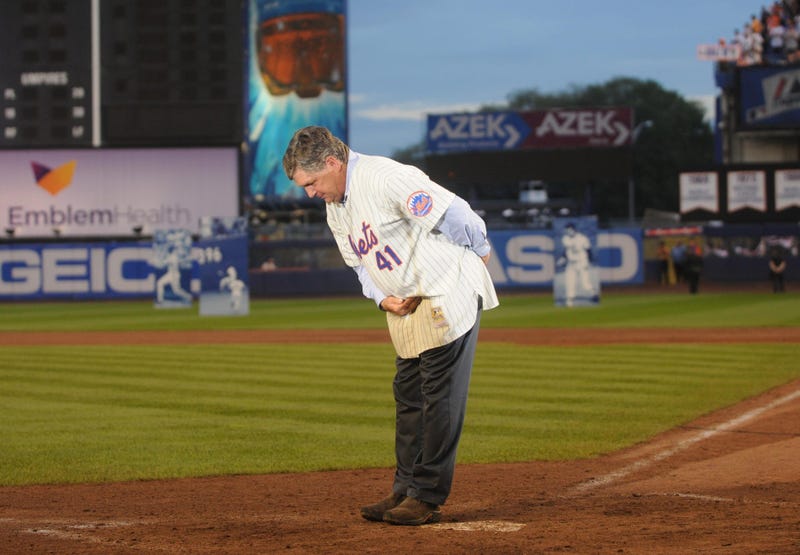

NEW YORK (WCBS 880) — The news that baseball Hall of Famer Tom Seaver has been diagnosed with dementia spotlights a big issue: as our baby boomer population ages, who will take care of the increasing number of people with Alzheimer's and other memory impairment conditions?
In an interview with WCBS 880, Dr. Kenneth Knapp, an assistant professor at New York Medical College, explains that the issue has been a large concern for a while and currently, there’s not enough facilities to care for the growing population.
“The increasing life expectancy in developed countries like the U. S. is a blessing but it's also of concern. As people live longer, more people need care and at the same time, over time people are having smaller families, there are fewer family members available to help provide care and unpaid caregivers — there’s a high turnover in that area,” Knapp said.
He notes that the impact of family members who then are left to care for loved ones with dementia or Alzheimer’s is very significant. The job is extremely stressful and can have many negative impacts to their own health and can be a strain on family’s finances.
Knapp tells WCBS 880’s Steve Scott that, in New York State, 400,000 people are living with Alzheimer’s disease. That number is expected in increase by 15 percent in 2025 among the 65 and older population.
“There are a million Alzheimer's and dementia unpaid caregivers in New York state. One million unpaid family care givers and of those, the people who provide unpaid care to people with dementia, they’re healthcare costs can be significant,” Knapp adds. “881 million in higher healthcare costs than non-caregivers.”
Knapp explains that while there are many resources available to family members caring for those with dementia and other memory loss conditions, there currently is a shortage in geriatricians.
Though, he remains optimistic that as baby boomers age, there will improved care by organizations such as the Alzheimer’s Association and the Center for Disease Control.
He says: “More people are getting trained in geriatrics and going into that field, so there's reason to be hopeful for the future.”