

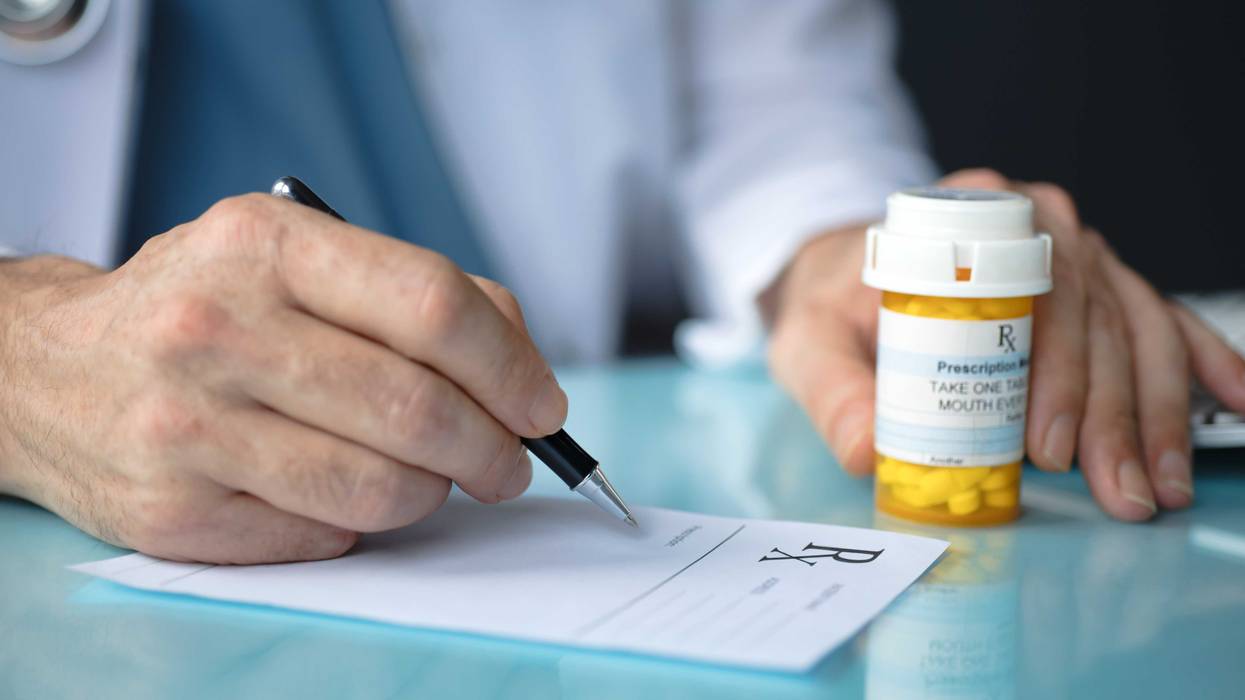

The Drug Enforcement Administration is reminding Minnesotans of the ongoing battle against opioids and counterfeit pills amidst the COVID-19 pandemic.
In August, DEA agents from the Minneapolis/St. Paul division reported a significant increase in counterfeit pills being trafficked in from drug trafficking organizations in California, Arizona, and Mexico.
As of August 12, the DEA had recovered 46,000 counterfeit pills in Minnesota, nearly four times the amount seized in all of 2019.
"Really the bottom line is prescription drug misuse and overdose do not discriminate against Minnesotans" said DEA Minneapolis/St. Paul special assistant special agent in charge, Angela von Trytek.
According to preliminary data from the Minnesota Department of Health, drug overdose deaths increased 20% from 2018 to 2019, or from 636 to 761 deaths.
"Tragically as regulatory compliance has started to tighten-up on overprescribing these types of medications, it's actually forced people to find more illicit trafficking through either counterfeit pills or fentanyl related products," von Trytek said. "The problem with fentanyl products is people are getting dosages that clearly are fatal. It takes just a very, very small amount of fentanyl to have a potential critical overdose situation."
Counterfeit pills still continue to make their way into Minnesota and the Twin Cities. According to von Trytek. the counterfeit pill problem is more of an illicit trafficking issue and not a prescription drug problem.
"There is no threat to Minnesotans here that counterfeit pills would make it into legitimate prescription medications in this country," von Trytek said. "The regulatory things are too tight that if you are going to your doctor and you're receiving a legitimate prescription for a legitimate health reason, you can rest assured that prescription you're receiving from your pharmacist is from a legitimate source chain, from a pharmacy, as well as the prescription drug companies in this country."
Saturday, October 24, marks the DEA's National Prescription Drug Takeback Day. The DEA will have around 20 locations within a 25 mile radius of the Twin Cities open for drop-off on Saturday.
"Because of COVID-19, our collection sites have pretty much been done from our state and local counterparts and all of our local law enforcement partners," she said. "This gives people the chance to go into their local police departments that are participating and drop of their unused medication there."
There are ways to dispose of unwanted prescription drugs or controlled substances year-round and you can find more resources here.


