


Our stronger than usual El Nino weather pattern predicted this winter could do a number on the state's ice fishing industry.
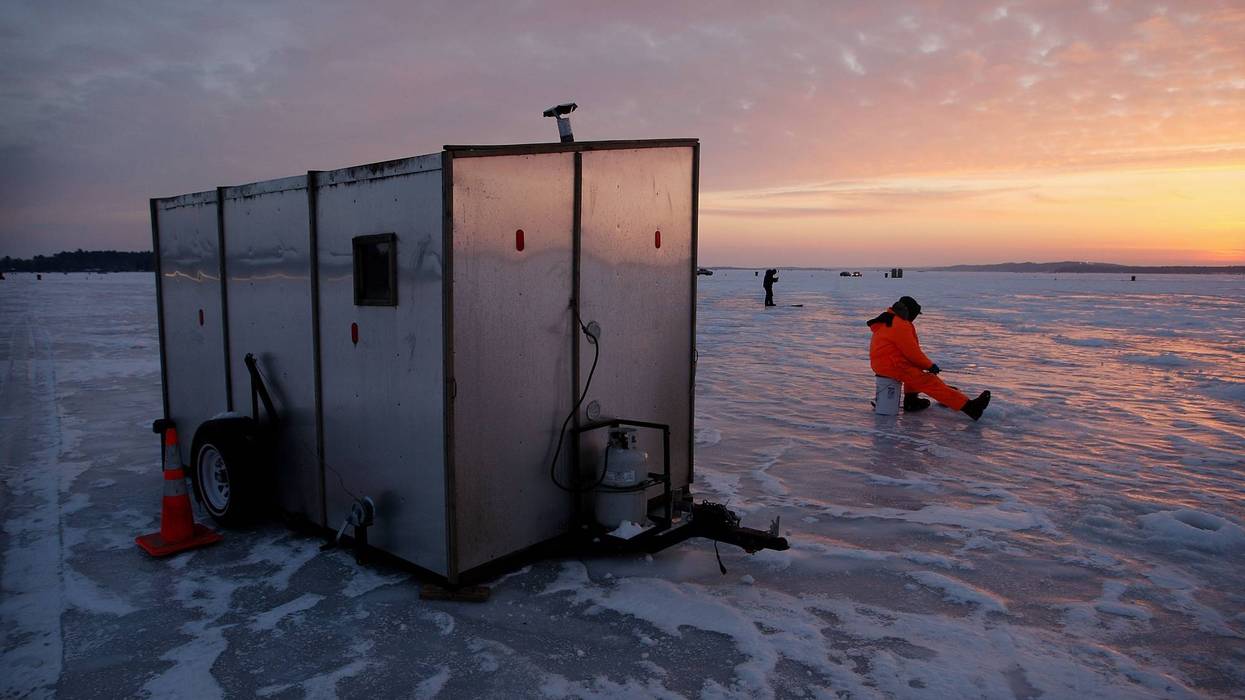
Ice fishing is a huge segment of Minnesota's outdoor recreation economy, with state figures showing anglers spending many millions on lodging and gear, not to mention the hospitality jobs supported by that tourism. As for the ice that makes it all possible, much remains to be seen.
"More goes into freezing of lakes than just temperature. Timing is everything of when the first real big snowstorm happens," says Department of Natural Resources climatologist Pete Boulay.
He says there will be ice, but it's the snow that can really mess things up.
"Some of the lousiest ice we've seen in the past wasn't necessarily because it was so warm," Boulay explains. "We had a lot of heavy snowfall early on relatively thin ice, and that made not great ice either."
Boulay says ice typically begins to form on Minnesota lakes by Thanksgiving, and through the first week of December. That isn't looking very likely this year, even if we're cooling off more the end of this week.
WCCO-TV Chief Meteorologist says we get our first real extended freeze in the Twin Cities Thursday into Friday. But it will need to get much colder in order for ice to form and a super-strength El Nino is continuing to push warmer-than-normal air into the Upper Midwest. That's expected to continue well into December and even January.
"Even in the warmest of winters in Minnesota, we still get to zero or colder even in the Twin Cities," Boulay adds. "So there will be ice in the lakes.
Minnesota has approximately 1.4 million licensed anglers, of which roughly 150,000 to over 200,000 actively ice fish, making it the largest ice-angler population in the United States.
But when that happens is likely going to be late, and cause a big delay the ice-fishing season.