

Minnesota Gov. Tim Walz responds to federal halt of Medicaid money to the state while proposing new anti-fraud legislation
See what is in the new proposed legislation from the governor here.
Minnesota Governor Tim Walz is proposing new anti-fraud legislation Thursday, while he also responded to the federal government's plan to "pause Medicaid" funding for the state. That was announced Wednesday by Vice President JD Vance.
Governor Tim Walz introduced what they're calling 'a comprehensive legislative package' aimed at preventing, detecting, investigating, and holding accountable those who commit fraud in Minnesota’s state programs.
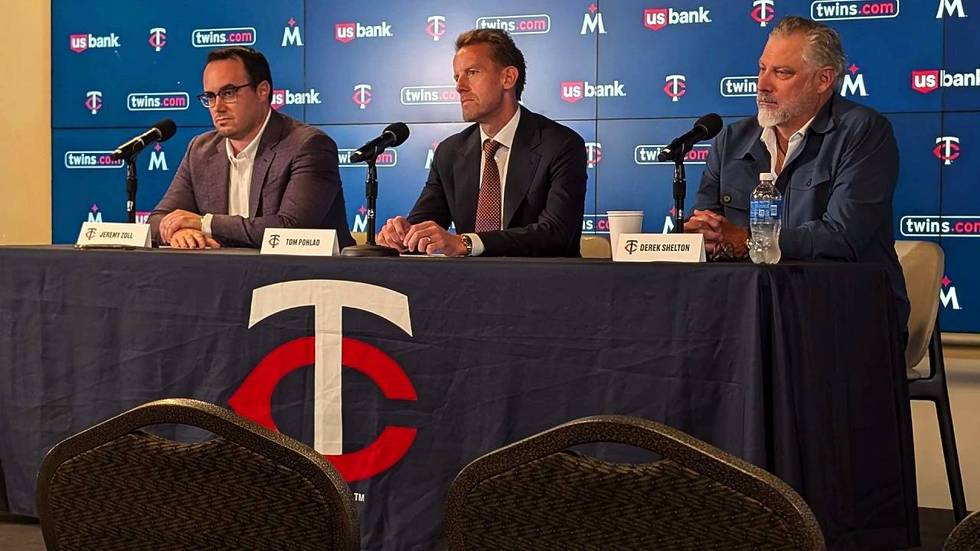
The Governor was joined by Department of Human Services Commissioner Shireen Gandhi, DHS Inspector General James Clark, and Bureau of Criminal Apprehension Superintendent Drew Evans at his press conference.
Walz says the plan builds on steps that are already being taken when it comes to fraud detection, strengthened investigative authority, and increased criminal penalties.
“Fraud steals from the people of Minnesota and undermines the programs we all rely on,” said Governor Walz. “This package strengthens oversight, improves detection, expands enforcement, and increases penalties to protect every dollar Minnesotans depend on. We’ve followed the experts, audits, and proven roadmaps; now it’s time for the Legislature to act.”
This is just the latest salvo on battling fraud in the state from lawmakers. Both parties are debating new legislation that would add an Office of Inspector General in Minnesota to oversee programs. There is also proposed legislation from DFL lawmakers and Minnesota Attorney General Keith Ellison that will need to be considered and eventually settled on during the legislative session.
Here is what is in the proposed legislation from Walz:
Better Detection and Oversight
- Strengthens program integrity in Managed Care Organizations
- Expands audit and internal control capacity to ensure funds are properly spent and misused dollars are recovered.
- Uses predictive analytics and machine learning to identify suspicious billing earlier.
- Prohibits legislatively named grants, requiring competitive processes to ensure fairness and transparency.
Strengthened Investigative and Enforcement Authority
- Establishes a centralized Office of Inspector General to lead statewide fraud prevention, set standards, and refer cases for civil or criminal enforcement
- Expands BCA Financial Crimes and Fraud Unit capacity and subpoena authority.
- Enhances authority for on-site investigations across Minnesota Health Care Programs, including providers who have not yet billed claims.
- Adds capacity for fraud prevention at the Department of Revenue and the Attorney General’s Medicaid Fraud Unit.
- Establishes permanent bans from state contracts and grants for individuals convicted of fraud, including new businesses and subcontractors.
Increased Criminal Penalties
Creates a new Theft of Public Funds statute, increasing penalties by 20 percent.Extends statutes of limitations to seven years for certain fraud-related crimes.
Walz Administration's Anti-Fraud Fact Sheet by Lindsey
Walz also blasts decision to withhold money from Minnesota
Anger and frustration with the Trump administration's new plan to withhold some Medicaid funding simmered beneath the surface from Walz.
"How taking health care from 400,000 children, pregnant women, and the elderly, I would ask all of you, did you hear in there what specific steps they were going to take to stop the fraud or what the specific fraud they were talking about," asked Walz at his Thursday press conference announcing new legislative proposals to combat fraud.
State Medicaid Director John Connolly said they have been rooting out fraud for a year and a half.
"We've substantiated a number of actions before CMS engaged us in December," Connolly explains. "So the claim that this is necessary to make sure that we're serious about fighting fraud is just not credible."
The Trump administration said Wednesday they would “temporarily halt” some Medicaid funding to the state of Minnesota over fraud concerns, as part of what he described as an aggressive crackdown on misuse of public funds.
Vance, who made the announcement with Dr. Mehmet Oz, the administrator for the Centers for Medicare and Medicaid Services, said the administration was taking the action “in order to ensure that the state of Minnesota takes its obligations seriously to be good stewards of the American people’s tax money.”
"This is not a problem with the people of Minnesota, it’s a problem with the leadership of Minnesota and other states who do not take Medicaid preservation seriously,” Oz said.
Wednesday’s move is part of a larger Trump administration effort to spotlight fraud around the country. That effort comes after allegations of fraud involving day care centers run by Somali residents in Minneapolis prompted a massive immigration crackdown in the Midwestern city, resulting in widespread protests. President Donald Trump, in his State of the Union address on Tuesday, announced Vance would spearhead a national “war on fraud.”
Walz has called it 'retribution' against Minnesota.
"This is a targeted retribution against a state that the president doesn't like," he said. "The real shame in all this is this is a state that does healthcare as well as anybody."
The administration is temporarily withholding $260 million in federal Medicaid reimbursements until the state implements a "corrective action plan" to address alleged misuse of public funds. State leaders say they've already been doing that, and say the action amounts to retribution.
"CMS's own numbers say Medicaid error rates in Minnesota are 2.1%. The national average is 6.4%," said Walz. "Why are you coming to a state with the lowest in this, and why did you make an arbitrary decision to, what's the word I'm using now? They're calling this a deferral. It's not. It's a ransom note."