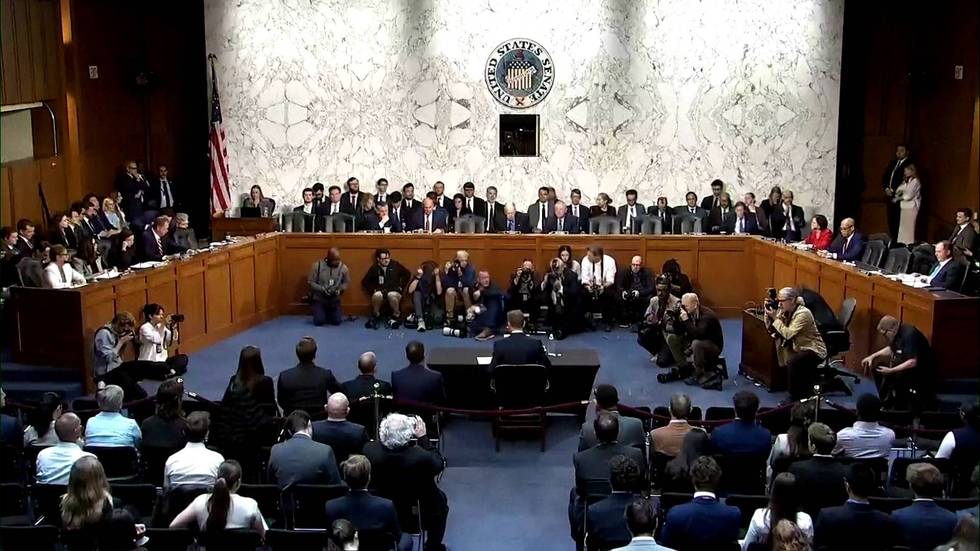



Minneapolis releases a grim assessment of the impact of federal immigration operations on the city
"Nearly 20% of our city are in urgent need of relief assistance," says emergency operations director Rachel Sayer
Minneapolis city leaders releasing a grim assessment of the impact of Operation Metro Surge on residents and city operations. The city is requesting federal aid for an estimated $203 million dollar economic crisis.
"We estimate there are 76,000 Minneapolis residents, nearly 20% of our city, who are in urgent need of relief assistance," says City emergency operations director Rachel Sayre.
She also says the communities hardest hit are those with the largest immigrant populations and people of color.
A preliminary analysis shows the over $200 million in losses to Minneapolis' economy, community livelihoods, residents' mental health, and to food and shelter security.
City leaders say the assessment underscores an urgent need for financial assistance from the federal government, and from the state and private sector to aid in the recovery that lies ahead.
“The damage caused by Operation Metro Surge doesn’t disappear just because the operation is ending,” said Minneapolis Mayor Jacob Frey. “Families were torn apart, small businesses lost millions and students had their learning disrupted. That impact is real. But Minneapolis has never let hardship define us. We will do what we’ve always done: rebuild even stronger — united in the city we love.”
They also say Minneapolis is facing a serious financial challenge that could risk its ability to deliver core services without further burdening residents with added property taxes.
This preliminary estimate from Minneapolis they're calling "a snapshot of the severe consequences in everyday life disrupted by Operation Metro Surge."
"This preliminary assessment is by no means exhaustive, and these totals are almost certainly undercounts. The impacts we are seeing as a city will be felt for decades, even generations to come,” said Sayre. “We need significant funding assistance to meet the urgent needs of our community. This surge has been devastating to so many of our friends and neighbors. It is our collective duty to take care of them as a Welcoming City.”
"The city's very financial stability has been called into question because of the actions of our own federal government," adds the city's Chief Operating Officer Margaret Anderson Kelliher. "That is why we need assistance, financial assistance from both the federal government and the state government."
She says the city is now transitioning from an emergency response to a long-term recovery plan.
Speaking with WCCO's Chad Hartman on Thursday, Frey said they were still in the process of totalling up the cost to the Minneapolis Police Department responding to the increased presence of federal officers, protests, and just the general chaos that ensued across the city.
Those numbers became more clear on Friday, noting that they are not finalized numbers yet, and are just estimates. Still, if anywhere near accurate, these are large cost increases for the city's budget.
The city spent an extra $5.2 million between January 7 and February 1 on police overtime and standby pay. Add in extra pay for city staff and operational, equipment expenses, and the total grows to over $6 million in added costs for Minneapolis.
The entire 2026 General Fund City budget for Police overtime is $2.3 million.
Minneapolis' provided these data points and statistics stemming from the federal operation in the city (these are all for one month unless otherwise noted).
City of Minneapolis Preliminary Impact Assessment and Relief Needs by Lindsey
Livelihood
Financial losses to workers and businesses:
- $47 million: lost wages for people afraid to leave home and go to work
- $81 million: restaurant and small business revenue losses
- $4.7 million: revenue from hotel cancellations extending through summer
Shelter
Rent assistance:
- 35,000: low-income renter households unable to afford rent before OMS
- $15.7 million: additional rent assistance needed due to lost household income since Dec. 2025
- Evictions due to OMS: too early to quantify
Food Security
Substantial increases in requests for food assistance:
- 76,200: people experiencing food insecurity because of OMS
- $2.4 million: Weekly cost of food to support citywide need
Mental Health
Increased need for mental health support:
- 8,713: School-age children in need of services due to OMS
- 50%: the reduction in client contact reported by service providers because clients are going “underground”