


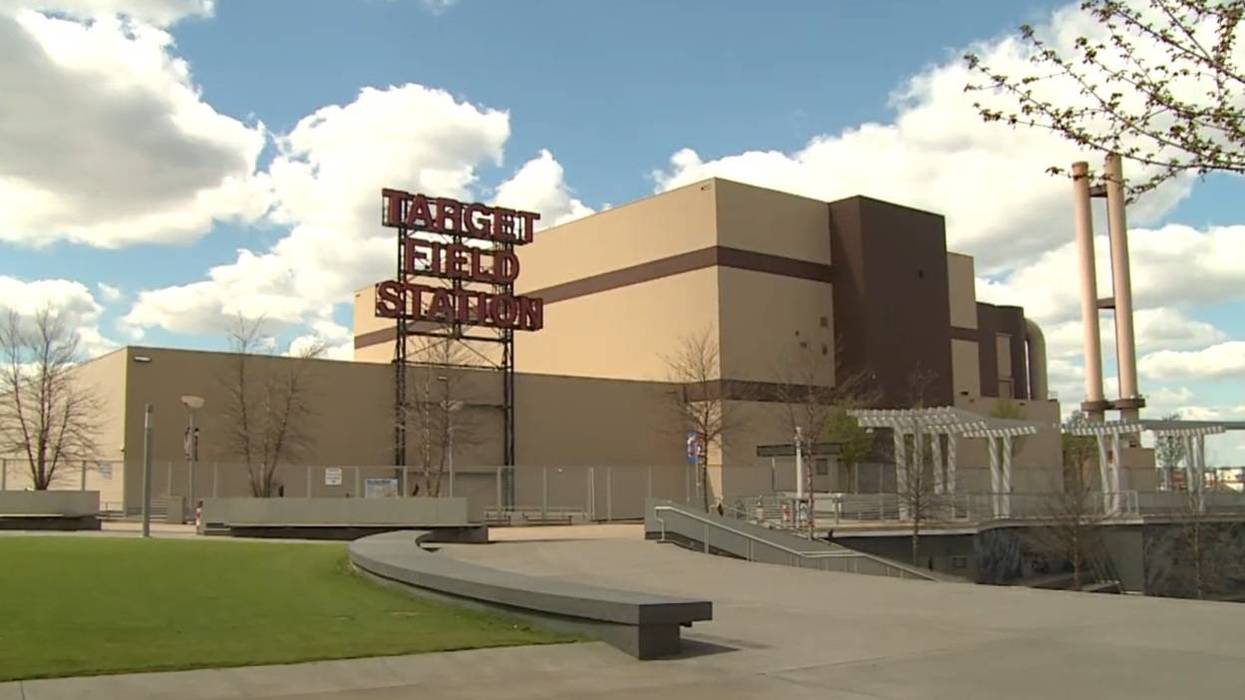
A group working to try to close the Hennepin Energy Recovery Center is turning up the heat with a new legal fight.
Following a federal lawsuit against the EPA over weak national emission limits, local environmental leaders with the Minnesota Center for Environmental Advocacy have issued a legal demand letter to Hennepin County aimed at forcing a long delayed board vote to permanently close the Minneapolis trash incinerator.
Located in downtown near Target Field, the Hennepin Energy Recovery Center (HERC) burns garbage to create energy. The county claims HERC uses the latest technologies to reduce environmental and taxpayer costs and is part of the county's integrated waste management system.
But, former Minneapolis resident Anita Martinez now lives in northern Dakota County near the landfill that receives the HERC's ash.
"It's dense with lead, cadmium, mercury, dioxins, and forever chemicals that do not break down," says Martinez.
She says the facility's pollution disproportionately impacts low-income communities of color in Minneapolis.
County officials now have 10 days to respond to a letter demanding that Hennepin County address what they call " toxic trash ash violations."
The group is alleging the latest five-year solid waste plan from Hennepin County illegally fails to outline reduction strategies for toxic ash, according to group attorney Luke Norquist.
"Minnesota, in particular, passed a law that directs all counties that use waste incinerators to clearly state their strategies to reduce the toxicity and quantity of incinerator ash in their waste plants," Nordquist said. "Hennepin County has not done this."
Advocates hope the demand will trigger a long-delayed board vote to permanently close the incinerator.
According to Hennepin County, the combustion process reduces the volume of waste by nearly 90%, and the material remaining after combustion is non-hazardous ash. They say the ash is screened to recycle metals and then sent to a landfill.
They add that HERC recovers more than 16,000 tons of scrap metal each year, which is nearly triple the amount of metal collected in curbside recycling programs in the county.