


According to the experts, Minnesota’s multi-billion dollar state-run programs may have been vulnerable to organized fraud since the 1970s.
Minnesota's new state Integrity Director, Tim O'Malley, says a "systemic compassion over compliance" mindset allowed criminal exploitation to balloon.
"Problems that are a half century in the making will not be solved easily," O'Malley said Monday. "The causes are multifaceted. No single reform will suffice to fix this."
His new roadmap proposal looks at implementing unannounced site visits, modernized data tracking, and the appointment of an independent watchdog to enforce accountability.
"If we don't seize the opportunity now, there's a chance, I hope it doesn't happen, that five years from now we'll be here talking about the same stuff," adds O'Malley.
He says the plan's success now hinges on whether the legislature will fund any of these reforms he has proposed. The plan is to follow a proactive prevention model by calling for a cultural shift in agencies.
"Minnesotans deserve better. It is irresponsible for state government to allow taxpayer money intended to provide those services to vulnerable Minnesotans to end up in the hands of fraudsters," added O'Malley.
Minnesota has been besieged by fraud allegations. There are already dozens of convictions tied to Feeding Our Future, and more allegations tied to funding for autism centers, and state Medicaid programs which the U.S. Attorney's Office says could total half of the $18 billion the state puts into that program.
O'Malley was appointed to his position by Governor Tim Walz in December. He is a former Minnesota Bureau of Criminal Apprehension superintendent. Walz also announced a state partnership with third party experts at WayPoint to implement a statewide fraud prevention program.
Minnesota House and Senate working on anti-fraud legislation
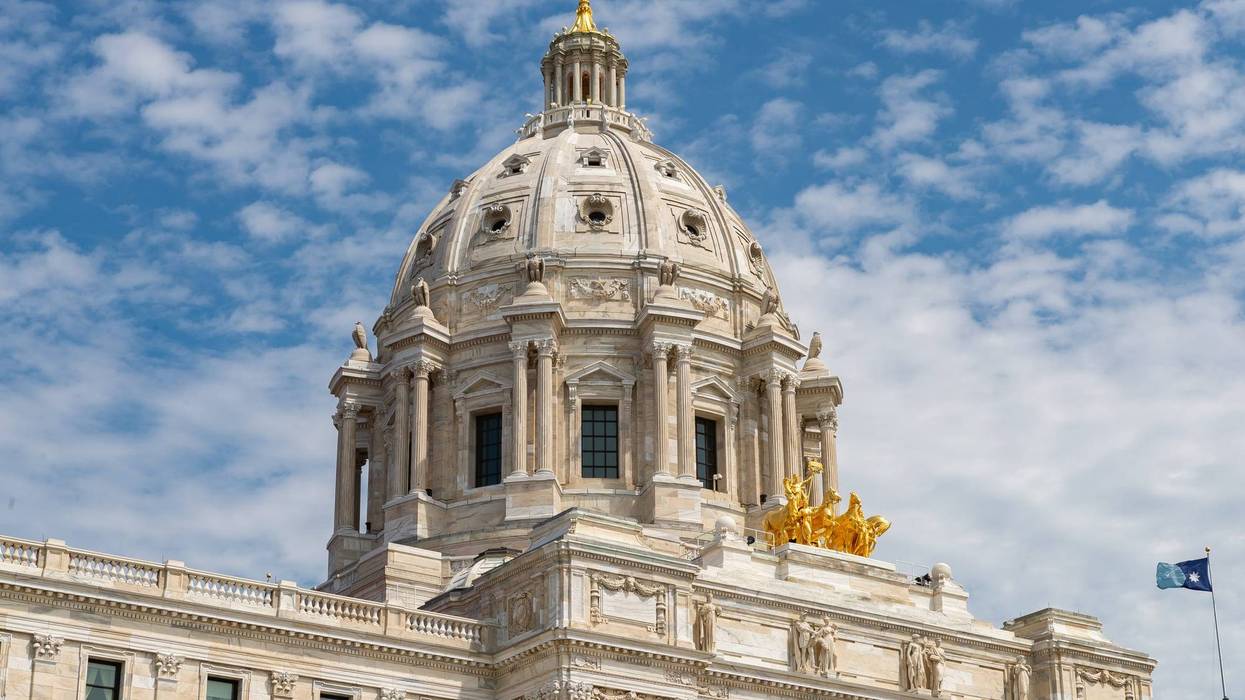
Meanwhile, Republican lawmakers in St. Paul are putting fraud on the front-burner going into week two of the Minnesota legislative session.
House Republican Leader Harry Niska is behind a bill that would create penalties for those who were working for state agencies when fraud occurred.
"A big part of the problem that we've seen and what we hear about from people, Minnesota taxpayers, is their outrage about not only the waste and fraud that's happened of their tax dollars, but the fact that no one's been held accountable," Niska explained. "That there's been a culture of lack of accountability that would never fly in any other organization."
Niska told WCCO-TV that they are looking to pass legislation that would create an Office of Inspector Ggeneral, an independent agency that would look into fraud investigations.
The plan passed in the Minnesota Senate last year but stalled in the House.
"If it happens, it needs to be an actually empowered and independent inspector general," Niska explained. "It needs to be someone that can be controlled by the governor, can be chosen unilaterally by the governor, and someone who has not just the ability to investigate but actually enforce the law."
Minnesota Senate Majority Leader Erin Murphy (DFL) told WCCO's Sunday Take with Blois Olson that if she had been in charge during these fraud scandals, she would have fired more people, something Walz has not done.
"Had I been responsible for the agencies, yes, I would have fired people more swiftly and sooner," she responded.
Murphy says over the last three years, Senate Democrats have already moved what she called a 'hefty agenda' in the areas of anti-fraud and anti-corruption.